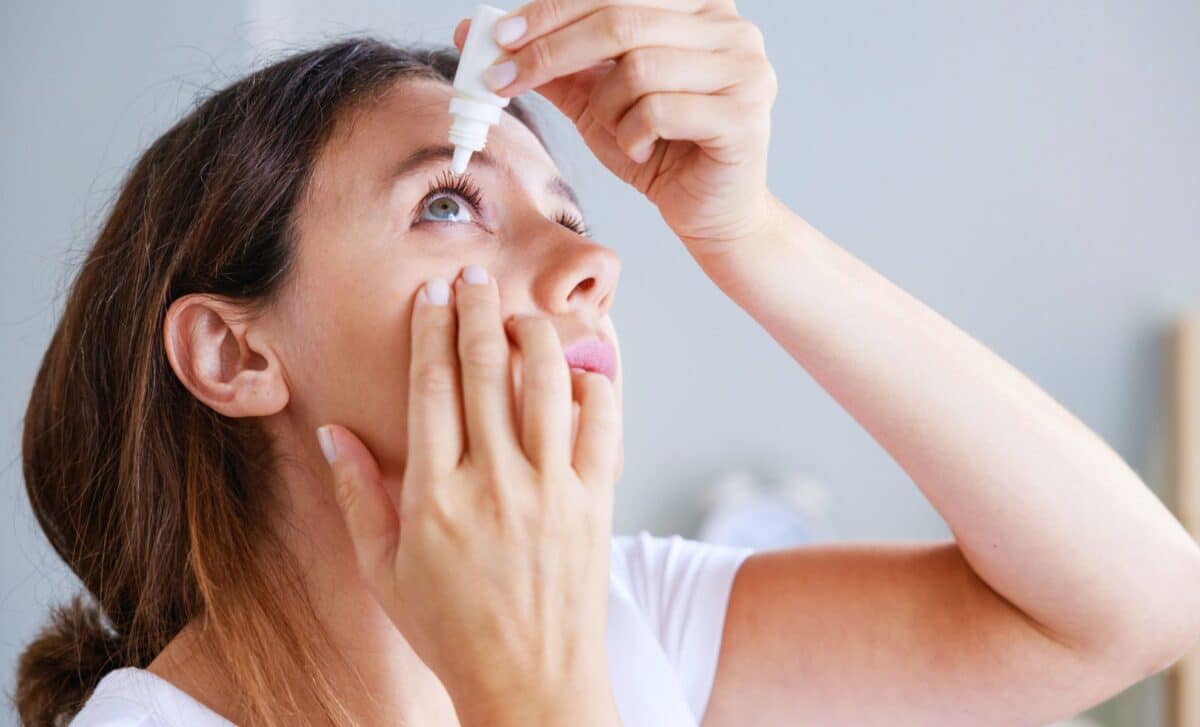
More than 2.5 million bottles of a widely prescribed eye medication are being pulled from the U.S. market after a contamination concern prompted a nationwide recall. The action affects patients who rely on prednisolone acetate ophthalmic suspension to treat eye inflammation and allergic conditions, making it one of the largest recent recalls involving prescription eye care products. Anyone using this medication should check their bottle immediately, as the affected products were distributed nationwide and remain within their expiration dates.
Why Millions Of Eye Drop Bottles Are Being Recalled
The recall involves Prednisolone Acetate Ophthalmic Suspension, USP, 1%, a corticosteroid eye drop commonly prescribed to reduce inflammation following eye surgery, treat allergic reactions, and manage several inflammatory eye conditions. According to the FDA, a total of 2,530,182 bottles have been recalled because of the presence of a foreign substance inside the product. The medication was manufactured by Lupin Limited, an India-based pharmaceutical company known for producing generic medicines for global markets. The recall was initially announced on June 4, before the agency later classified it as a Class II recall on June 30.
A Class II designation means the affected products could cause temporary or medically reversible health effects, while the probability of serious long-term injury is considered relatively low. Even with that classification, contamination involving ophthalmic products receives close attention because the eye is particularly vulnerable to irritation, infection, and injury. The nationwide scope of the recall means patients, pharmacies, healthcare providers, and distributors may all encounter affected bottles that were manufactured across multiple production lots.
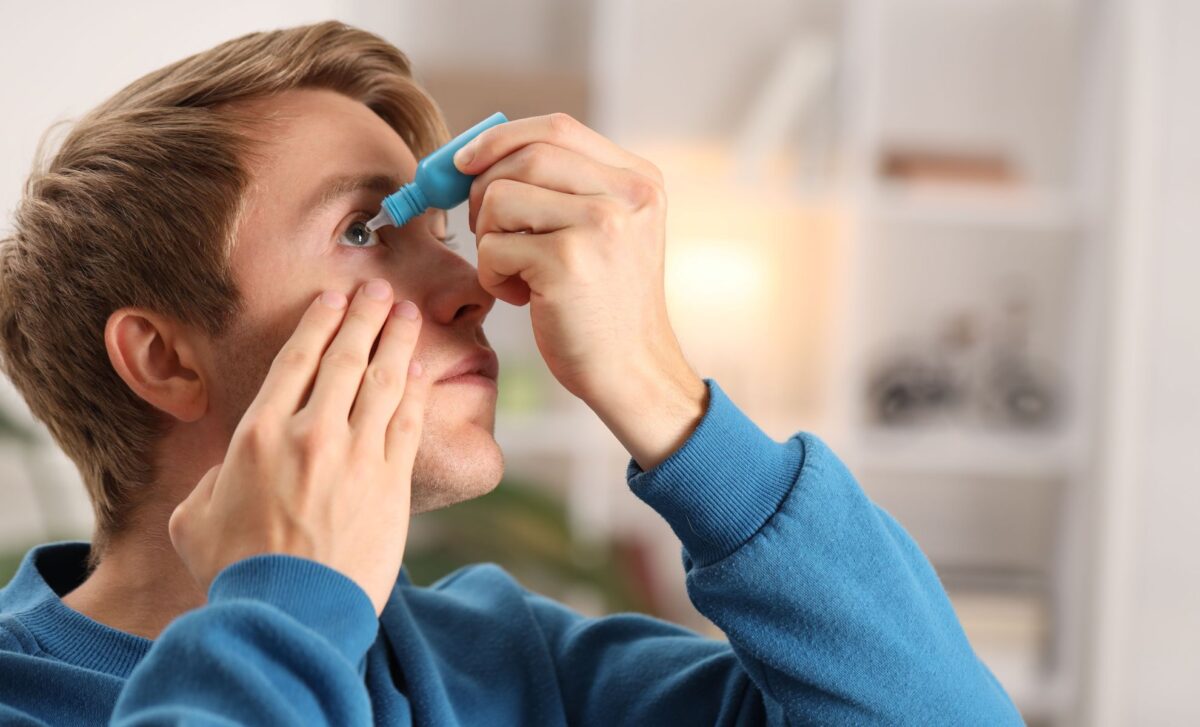
Credit: Canva
Which Products Are Included In The Recall
The recall covers Prednisolone Acetate Ophthalmic Suspension, USP, 1%, a sterile, prescription-only (Rx) ophthalmic medication manufactured by Lupin Limited, Pithampur (M.P.) 454 775, India. According to the FDA, the recall was initiated because of the presence of a foreign substance. A total of 2,530,182 bottles are affected under Recall Number D-0655-2026.
The recalled products include Prednisolone Acetate Ophthalmic Suspension, USP, 1% in 5 mL (NDC 70748-332-02), 10 mL (NDC 70748-332-03), and 15 mL (NDC 70748-332-04) bottles.
For the 5 mL bottles, the affected lots are HA00937, HA00939, HA00941, HA00971, H00973, and HA00975 (expiring July 31, 2026); HA00987, HA00989, HA00991, HA01010, HA01012, HA01014, HA01016, and HA01048 (expiring August 31, 2026); HA01120, HA01137, HA01129, HA01138, and HA01133 (expiring September 30, 2026); HA01148, HA01196, HA01198, HA01200, HA01206, HA01208, HA01210, HA01212, HA01214, HA01216, HA01218, and HA01220 (expiring October 31, 2026); HA01236, HA01238, HA01240, HA01244, HA01246, HA01248, HA01261, HA01263, HA01265, HA01267, HA01278, HA01280, HA01282, HA01284, HA01288, HA01290, HA01292, and HA01298 (expiring November 30, 2026); HB00002, HB00004, HB00006, HB00017, HB00019, HB00021, HB00023, HB00025, HB00031, HB00033, HB00035, HB00037, HB00039, HB00041, and HB00043 (expiring December 31, 2026); HB00049, HB00051, HB00076, HB00078, HB00080, HB00082, and HB00084 (expiring January 31, 2027); HB00128, HB00130, HB00132, HB00134, HB00157, HB00159, HB00161, HB00196, HB00198, and HB00200 (expiring February 28, 2027); HB00224, HB00226, HB00228, HB00230, HB00240, and HB00242 (expiring March 31, 2027); HB00416, HB00417, HB00419, HB00439, HB00441, HB00443, HB00463, and HB00465 (expiring May 31, 2027); HB00561 (expiring June 30, 2027); HB00569, HB00657, HB00659, HB00663, HB00671, HB00673, HB00675, HB00677, and HB00679 (expiring October 31, 2027); HB00747, HB00749, HB00751, and HB00753 (expiring November 30, 2027); HB00761, HB00763, HB00765, HB00783, HB00785, HC00002, HC00004, HC00006, HC00018, HC00020, and HC00028 (expiring December 31, 2027); HC00030 and HC00032 (expiring January 31, 2028); HC00056, HC00058, HC00062, HC00064, HC00073, HC00075, HC00079, HC00081, and HC00083 (expiring February 29, 2028); and HC00091 (expiring March 31, 2028).
For the 10 mL bottles, the recalled lots are HA00945, HA00947, and HA00949 (expiring July 31, 2026); HA01160, HA01162, and HA01164 (expiring October 31, 2026); HA01234, HA01300, and HA01302 (expiring November 30, 2026); HB00053, HB00055, and HB00057 (expiring January 31, 2027); HB00107, HB00109, HB00111, HB00151, HB00153, and HB00155 (expiring February 28, 2027); HB00386, HB00388, HB00390, HB00445, and HB00447 (expiring May 31, 2027); HB00549, HB00551, HB00553, and HB00555 (expiring June 30, 2027); HB00700 and HB00702 (expiring October 31, 2027); HB00771 (expiring November 30, 2027); HC00008 and HC00010 (expiring December 31, 2027); and HC00034, HC00038, HC00054, and HC00060 (expiring January 31, 2028).
For the 15 mL bottles, the affected lots are HA00951, HA00953, and HA00955 (expiring July 31, 2026); HA01188, HA01190, and HA01192 (expiring October 31, 2026); HA01304 (expiring November 30, 2026); HB00113 and HB00115 (expiring January 31, 2027); HB00166 and HB00168 (expiring February 28, 2027); HB00392, HB00394, and HB00396 (expiring May 31, 2027); HB00545 and HB00547 (expiring June 30, 2027); HB00704 (expiring October 31, 2027); HB00773 (expiring November 30, 2027); HC00012 and HC00014 (expiring December 31, 2027); and HC00066 and HC00068 (expiring February 29, 2028).
Patients should compare both the NDC and lot number printed on their bottle with the FDA recall notice. Anyone with an affected product should contact their pharmacist or healthcare provider before stopping or replacing their medication.
What Patients Should Do If They Have The Recalled Medication
Patients who discover they have one of the recalled bottles should contact their healthcare provider or pharmacist before making any changes to their treatment plan. The FDA advises against stopping prescription medication without professional medical guidance, since untreated eye inflammation may also carry risks depending on the underlying condition. Healthcare professionals can determine whether a replacement medication is appropriate or whether another treatment option should be prescribed.
Anyone experiencing unusual symptoms after using the recalled eye drops, including irritation, pain, redness, changes in vision, or any unexpected reaction, should seek prompt medical evaluation. Pharmacists can also help verify whether a bottle belongs to one of the recalled lots by checking the product label and lot information. Keeping the original packaging can make identification easier and help healthcare providers determine the appropriate next steps. Patients should rely on official recall notices rather than social media posts to confirm whether their medication is included.