New York City drivers will soon face a new layer of enforcement as part of a broader safety initiative targeting work zones across the city’s major bridges and tunnels. Beginning in spring 2026, automated speed cameras will be activated in select construction zones operated by the Metropolitan Transportation Authority (MTA).
The initiative, titled the Work Zone Speed Enforcement Program, was approved as part of the 2025 New York State budget and is aimed at reducing speeding-related risks for both workers and drivers. The program was finalized by an MTA committee vote and is expected to be implemented gradually across several key infrastructure points.
Deployment in High-Traffic Infrastructure Zones
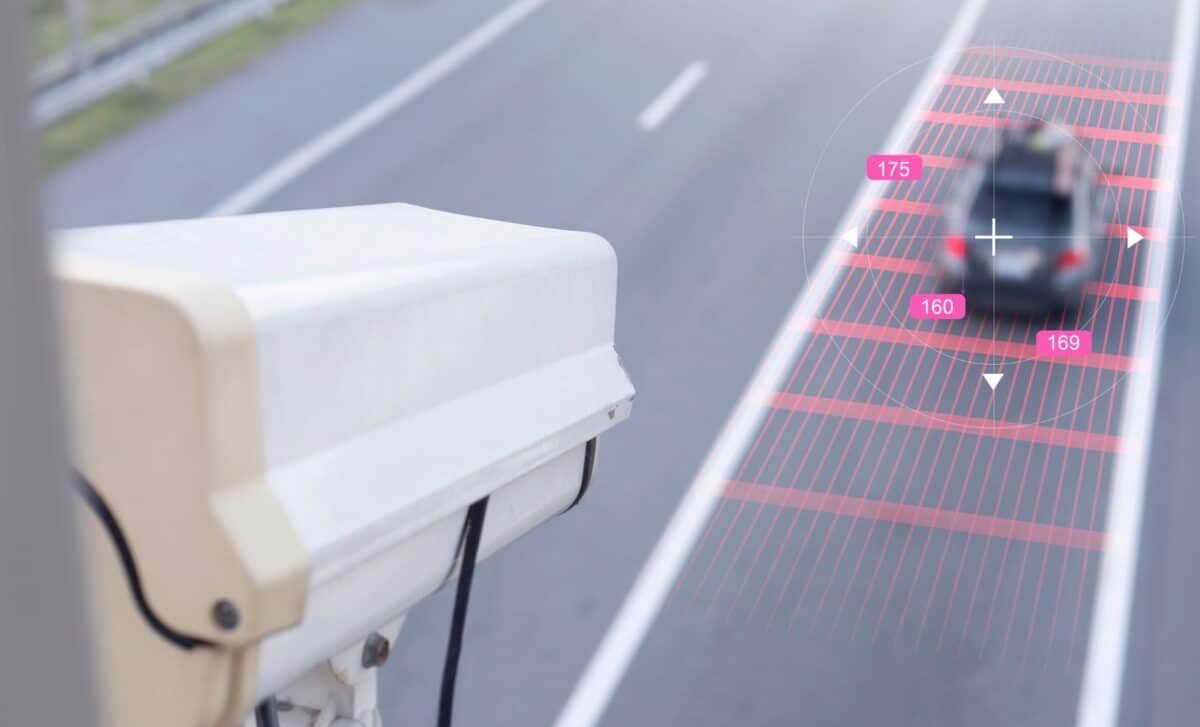
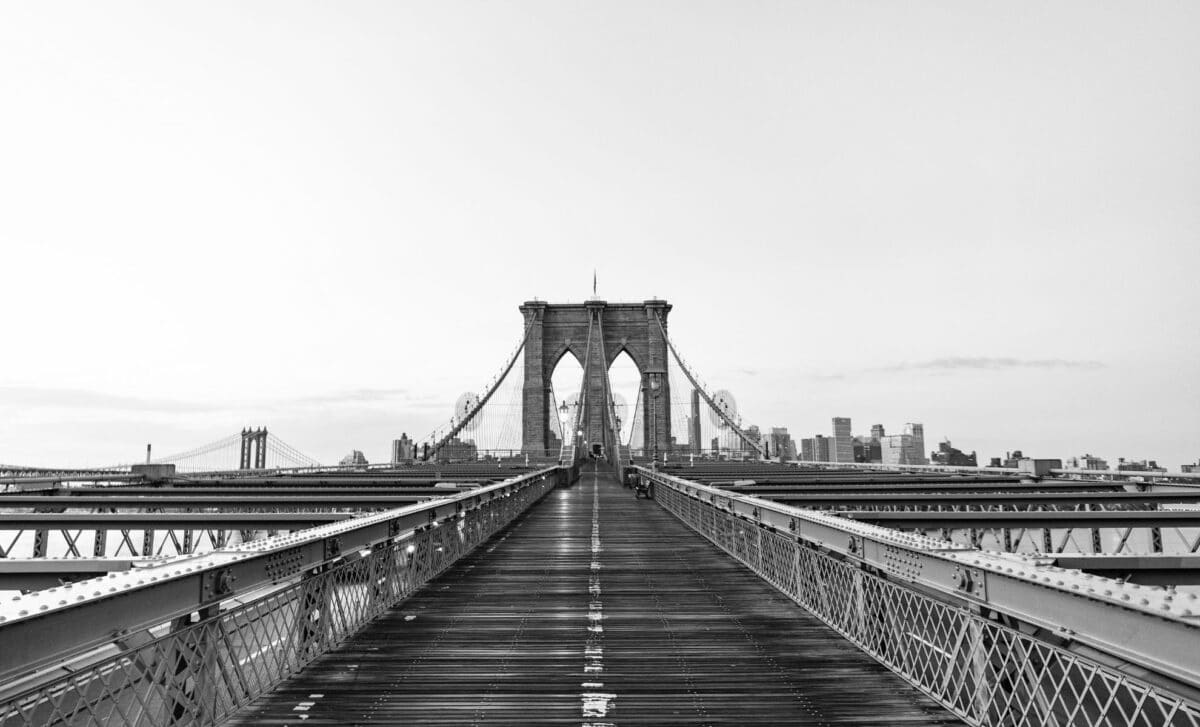
According to PIX11 News, the MTA plans to install automated speed cameras in specific work zones located on bridges and tunnels including the Robert F. Kennedy Bridge, the Queens Midtown Tunnel, and the Hugh L. Carey Tunnel. The cameras will target vehicles traveling more than 10 miles per hour over the posted speed limit in those zones.
Once the program begins, there will be a 30-day warning period during which drivers will receive notices but no fines. After this period, violations will result in a $50 fine for a first offense, increasing to $100 for repeat violations. For drivers residing in New York State, citations are expected to arrive within 14 business days of the recorded offense.
The MTA will determine on a case-by-case basis which construction zones are equipped with the cameras. These zones are typically selected based on traffic volume, safety history, and ongoing or upcoming infrastructure work.
The program is currently set to run through 2031, though multiple MTA committee members have already indicated a willingness to consider extending or making the system permanent if it proves effective. This aligns with a broader push across the state for increased automation in traffic enforcement as a deterrent to unsafe driving behaviors.
Funding, implementation, and safety objectives
David Gmach, the MTA’s director of tolling strategy, said that the majority of revenue generated from the fines will be directed toward operational costs and other work zone safety initiatives, not general MTA funding. This includes investments in improved signage, barriers, and protective gear for on-site workers.
The system mirrors enforcement methods already in use on New York’s roadways, particularly in school zones and along select high-risk corridors, where automated cameras have been associated with a measurable reduction in speeding incidents. Similar systems have been rolled out in other major U.S. cities, often generating debate around privacy, efficacy, and fairness, but they have largely remained in place due to their documented safety benefits.
According to the MTA, the use of automated enforcement in confined and hazardous work areas provides a safer environment for both the personnel working on infrastructure repairs and the drivers navigating these often narrow or diverted lanes.
With major rehabilitation projects planned across the city’s transportation network in the coming years, the agency views this program as a proactive safety measure to prevent accidents before they occur. Although critics have raised concerns over automated ticketing systems in general, no organized opposition to this specific initiative has been reported so far.