The Department of Homeland Security has clarified what documents certain U.S.-born children of foreign government employees must submit when seeking lawful permanent residence. The update follows an interim final rule issued earlier in September that changed how regulations describe citizenship and green card eligibility for this group.
The correction does not create a new immigration benefit. According to Newsweek, DHS said some evidentiary language was inadvertently removed when the earlier rule was codified, prompting the department to restore the list of documents applicants may need to provide.
What the Corrected DHS Rule Requires
The policy concerns children born in the United States to people working for foreign governments or certain international organizations. The covered groups include foreign diplomatic officers accredited to the United States, nationals employed by embassies or consulates, people working for foreign governments in an official capacity, and employees of international organizations who possess immunity.
USCIS spokesman Zach Kahler told Newsweek that the interim final rule states that children born in the United States to foreign government employees do not receive U.S. citizenship at birth unless at least one parent is a U.S. citizen. He said the correction restores evidence requirements that had been deleted during the codification process.
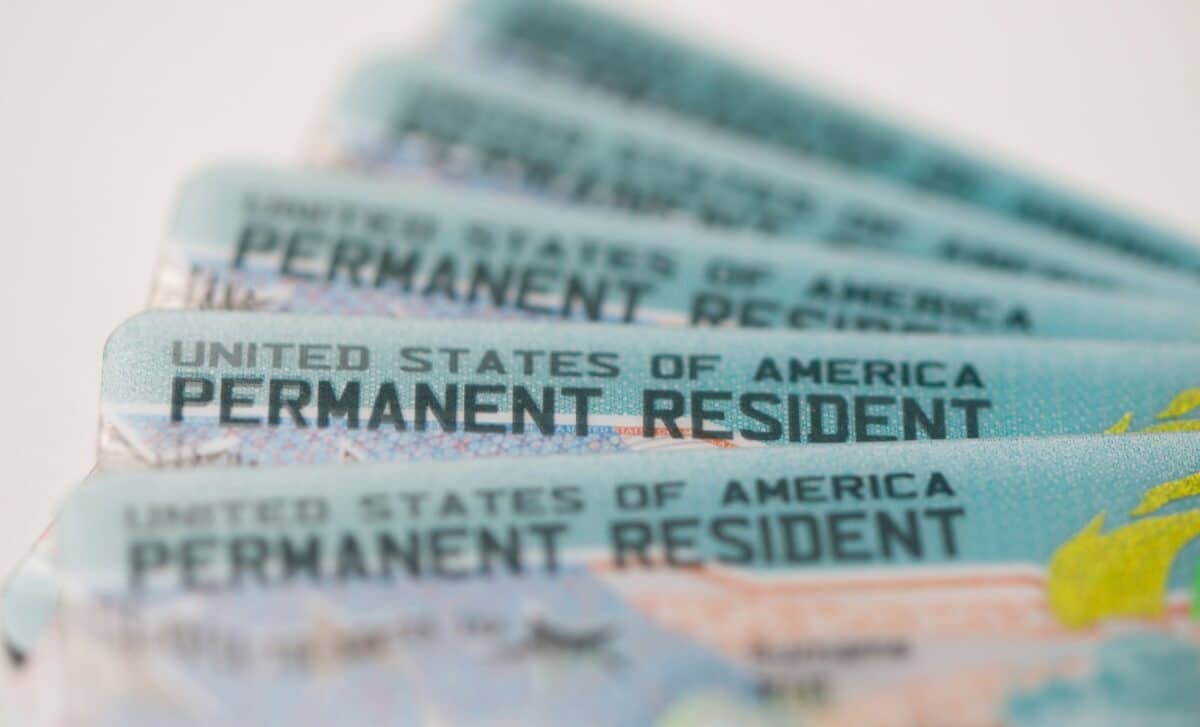
Applicants in the affected categories must submit Form I-485, a birth certificate, evidence of continuous U.S. residence, travel records, and official confirmation of a parent’s foreign government employment. According to Kahler, some supporting documents apply only to particular subcategories of foreign government employees.
One example is Form I-508, Request for Waiver of Certain Rights, Privileges, Exemptions, and Immunities. DHS clarified that not every applicant covered by the rule must file that waiver. The revised language also recognizes that some parents may not have held diplomatic classifications, meaning other documentation can be used to establish qualifying foreign government employment.

© Shutterstock
Why the Clarification Has Broader Significance
The change is technical in form, but it sits within a wider dispute over birthright citizenship. For decades, children born in the United States to foreign diplomats have generally been excluded from automatic citizenship because diplomats are not treated as subject to U.S. jurisdiction in the same way as most other people living in the country.
The new rule extends the administration’s position to a broader set of foreign government employees. Adam Klein, a former senior DHS official and co-founder of Globali.ai, told Newsweek that the green card process itself is not entirely new for U.S.-born children who do not acquire citizenship at birth. He said USCIS already had a permanent-residence process for certain children born to foreign diplomats.
Klein said the rule expands the group of U.S.-born children whom the administration says do not acquire citizenship and makes permanent residence available to that wider group instead. He also said there is no reliable estimate of how many people may be affected because DHS lacks sufficient data, and not every eligible family will necessarily apply.
According to Newsweek, the rule is already in effect while DHS receives feedback and applies to children in the affected categories born after September 4. Klein said the legal question of whether the administration can make that change without Congress would ultimately be for the courts to decide.