Trade tensions have a habit of spreading far beyond politics. One decision in Washington can ripple across industries on the other side of the world. And this time, Australia’s pharmaceutical sector may be feeling the pressure.
Pharmaceutical Tariffs Target Foreign Drug Makers
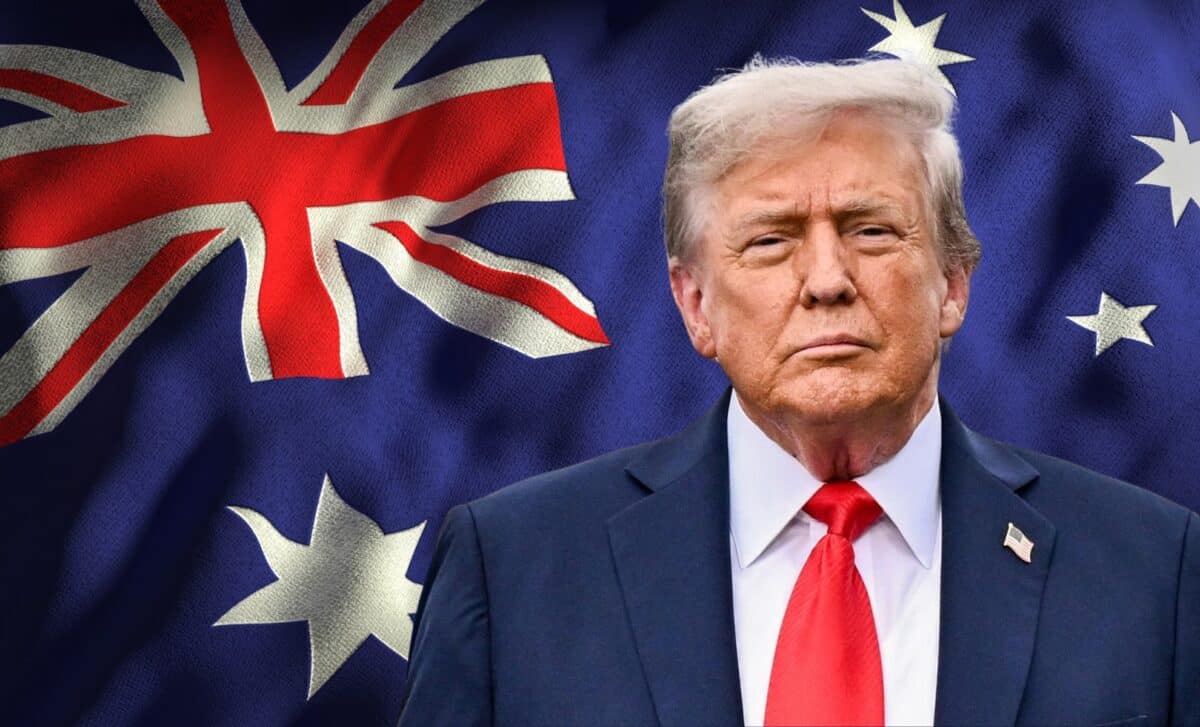
US President Donald Trump has ordered a 100 per cent tariff on some pharmaceutical imports entering the United States. The move is part of a broader strategy aimed at pushing drug manufacturers to produce their medicines inside the US rather than overseas.
While the policy will not take effect immediately, the administration has given companies a 120-day window before the tariffs begin applying to large drugmakers. Smaller pharmaceutical firms will have slightly longer, with around 180 days to prepare before the charges come into force.
The tariffs are specifically targeting patented medicines manufactured outside the US, with the goal of encouraging foreign pharmaceutical companies to relocate production to American facilities.
Why Australia Could Be Affected
Pharmaceuticals represent one of Australia’s biggest exports to the United States, with shipments valued at roughly $1.6 billion in 2023–24. That makes the sector an important part of the trade relationship between the two countries.
Much of that export value comes from Melbourne-based CSL, a global biotechnology company that produces blood plasma therapies and other specialised medicines.
However, there is cautious optimism that the company may avoid the worst of the tariffs. CSL already operates manufacturing facilities in the United States, which could allow it to bypass some of the costs imposed on companies producing entirely overseas, explains 9News.
Exemptions And Trade Loopholes
The new tariff policy includes several exemptions and potential carve-outs. Generic medicines are not immediately affected, and pharmaceutical companies that agree to move manufacturing operations to the US may see their tariffs reduced significantly.
Under one option, companies that relocate production could have the tariff reduced from 100 per cent to around 20 per cent.
Some international drugmakers may also escape the highest tariffs because of existing trade arrangements with the United States. Countries such as Japan, South Korea, Switzerland and members of the European Union are expected to face smaller tariff levels under separate agreements.
Australian exports currently fall under a baseline 10 per cent tariff, though no special pharmaceutical deal has yet been negotiated.
Political And Economic Reaction
Australia’s Health Minister Mark Butler criticised the move, arguing it contradicts the long-standing free trade agreement between Australia and the United States.
He urged the US administration to reconsider the decision, calling it “the wrong decision by a partner of a successful free trade agreement that has endured for more than 20 years.”
Despite the trade tensions, the government says the tariffs should not affect medicine prices for Australian patients, since the policy is focused on imports into the US rather than drugs sold domestically.
Still, the decision highlights how quickly global trade rules can shift. For industries like pharmaceuticals—where research, manufacturing and distribution often span multiple continents—one policy change can send shockwaves across the entire supply chain.