
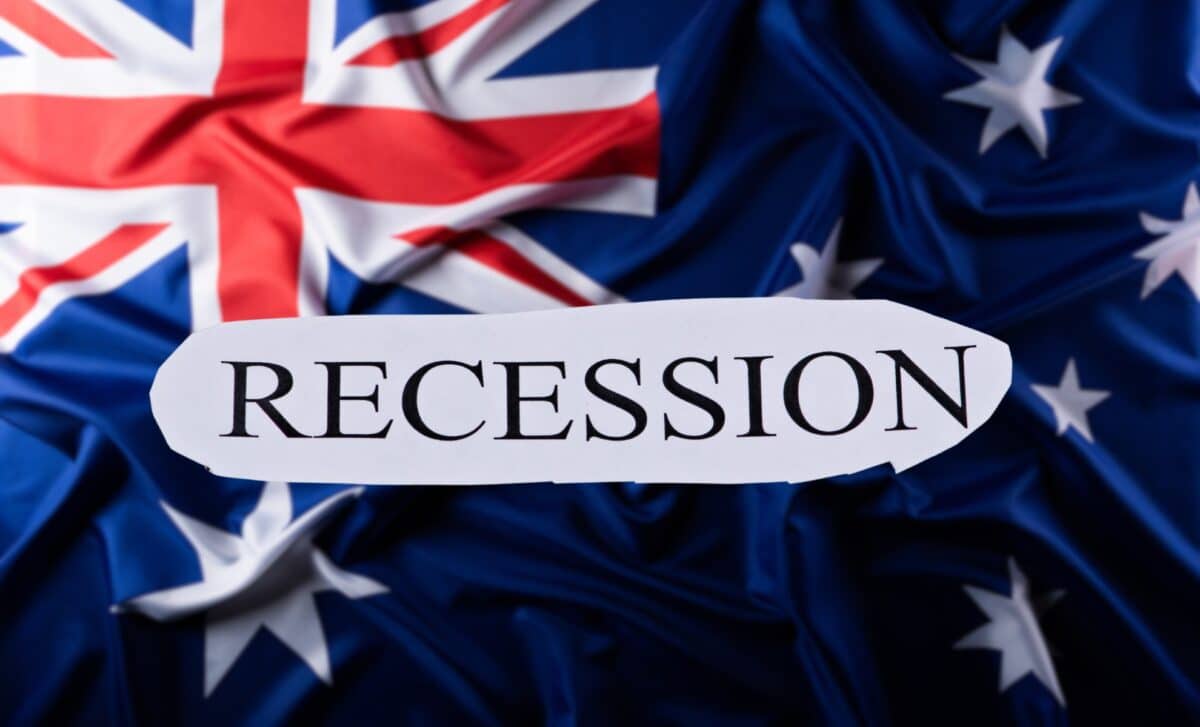
It’s the kind of thing most of us try to avoid thinking about—the possibility of a prolonged war in the Middle East, particularly one that might drag in global powers like the US, Israel, and Iran. But the truth is, the effects of such a conflict would reach far beyond the war zones, potentially throwing economies around the world into turmoil. Australia, too, would feel the pain. In fact, according to a recent Oxford Economics report, a prolonged Middle East war could plunge Australia into a sharp recession.
The Chain Reaction: From War to Economic Slowdown
The scenario presented in the report paints a concerning picture. If the conflict leads to disruption of the Strait of Hormuz for six months—a key shipping route for oil—global oil prices could rise to over $150 per barrel, pushing inflation rates sky-high. This, in turn, would cause a ripple effect, slowing world growth by 1.2%. For Australia, the report forecasts a 1.1% drop in GDP by September 2026, marking the sharpest decline since the early 1990s (excluding the pandemic years, of course).
Australia, as a nation highly dependent on global trade and fuel for its industries, would face a particularly tough time. Industries like transport, manufacturing, and mining, which rely heavily on fuel, would be hit the hardest. And, with inflation already on the rise, many Australian households would find their budgets stretched even thinner.
The Global Fallout: Rising Oil Prices and Inflation
The worst part? The effects would be felt far beyond just fuel prices. As the cost of oil spikes, so too would the prices of everyday goods, from food to consumer goods. The war would lead to rising inflation worldwide, potentially pushing the global rate to 7.7%—the same level we saw during the oil crisis of 2022, reports 9News.
Australia’s Economic Resilience: A Double-Edged Sword
Now, the good news (if you can call it that) is that Australia has entered this global crisis from a position of relative economic strength. Treasurer Jim Chalmers has tried to downplay the risk of a recession, but he admits that the longer this conflict drags on, the more severe the economic consequences for Australia will be. The government’s temporary fuel excise cuts will offer some relief in the short term, but the question remains: how long will this last?
Can Australia Weather the Storm?
While the prospect of a global recession might seem a bit far-fetched at the moment, it’s important to recognize how interconnected our world is. A war in the Middle East could disrupt more than just oil prices—it could impact everything from job security to the cost of living. And for those of us in Australia, the stakes couldn’t be higher.
In the end, the world’s economy isn’t just a domino effect waiting to happen—it’s a fragile web of interconnections that, once disturbed, can lead to consequences much closer to home. Let’s just hope we don’t have to find out how far this particular ripple will reach.