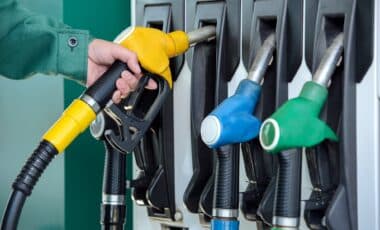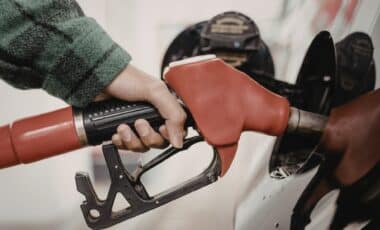
Something unusual is happening at petrol stations across Australia. Prices are rising quickly, supply is tightening, and drivers are starting to notice the difference every time they pull up to fill the tank. What used to be a routine stop is suddenly a small moment of anxiety. Behind the scenes, the federal government is preparing an extraordinary step to steady the situation.
Government Moves To Underwrite Fuel Costs
The Albanese government has revealed plans to use taxpayer funds to help underwrite the cost of petrol, a move designed to stabilise supply and ease pressure on prices as the fuel crisis intensifies. The idea is fairly simple in principle: help absorb some of the financial risk faced by fuel suppliers so they continue importing fuel into Australia.
Officials say the goal is not only to keep prices from spiralling further, but also to ensure that fuel continues flowing into the country. When supply becomes uncertain, prices can move sharply. In this case, the government appears to be trying to address both problems at the same time, explains 9News.
Across Australia, the signs of stress are already visible. Hundreds of service stations have reported running low on fuel or running out entirely, a situation that would have sounded unlikely only a few years ago. Diesel prices have climbed well above $3 per litre, while unleaded petrol is sitting around $2.60 per litre in many locations.
For households that rely on their cars for commuting, school runs or work, those increases add up quickly. Filling the tank once a week suddenly costs noticeably more, and for some families that expense is starting to squeeze already tight budgets.
Australia’s Fuel Supply Under Pressure
Energy Minister Chris Bowen recently revealed that Australia currently has about nine days’ worth of petrol reserves, a figure that has raised eyebrows among industry observers. While the number is slightly higher than earlier estimates, it still highlights the country’s heavy reliance on imported fuel.
Diesel supplies are somewhat more comfortable, sitting at roughly one month of available stock. Even so, the figures illustrate how exposed Australia can be when global fuel markets become unstable or supply chains are disrupted.
The latest disruption stems largely from escalating conflict in the Middle East, which has sent energy markets into another period of volatility. Shipping routes, insurance costs and global oil prices have all been affected, and those changes eventually work their way through to local petrol stations.
Political analysts have described the government’s challenge as something of a “whack-a-mole” situation. Each time one issue appears to be under control, another pops up somewhere else in the system.
Debate Over Fuel Tax Cuts Continues
While the government explores underwriting fuel costs, the opposition has called for a reduction in the fuel excise to deliver immediate relief at the pump. Cutting the tax would lower the price motorists pay, at least temporarily.
However, some experts warn that the real-world effects can be unpredictable. Unless the savings are strictly passed on to consumers, there is always a risk that fuel companies could absorb some of the benefit.
In volatile markets where oil prices move quickly, the impact of a tax cut can also disappear faster than expected. That uncertainty has made policymakers cautious about relying on a single solution.
Instead, some analysts believe more targeted support may prove more effective. Tax breaks for farmers, transport companies and other fuel-dependent industries could help ease pressure where it matters most.
National Response Begins To Take Shape
The fuel crisis has now become serious enough to prompt urgent discussions between federal, state and territory leaders. The issue is expected to be a key topic at an upcoming National Cabinet meeting, where governments will discuss how to coordinate a national response.
Unlike the early stages of the COVID-19 pandemic, where some policies differed between states, leaders appear eager to present a more unified strategy this time. Fuel supply is a national issue, and disruptions can affect every region of the country.
For now, officials are trying to solve several problems at once: keeping fuel flowing into Australia, preventing prices from climbing even further, and reassuring motorists that supplies will remain available.
Whether the underwriting plan will ultimately stabilise the market remains uncertain. But one thing is already clear — Australia’s fuel crisis is no longer an abstract economic issue. For many drivers, it’s being felt every time they pull up to the pump.