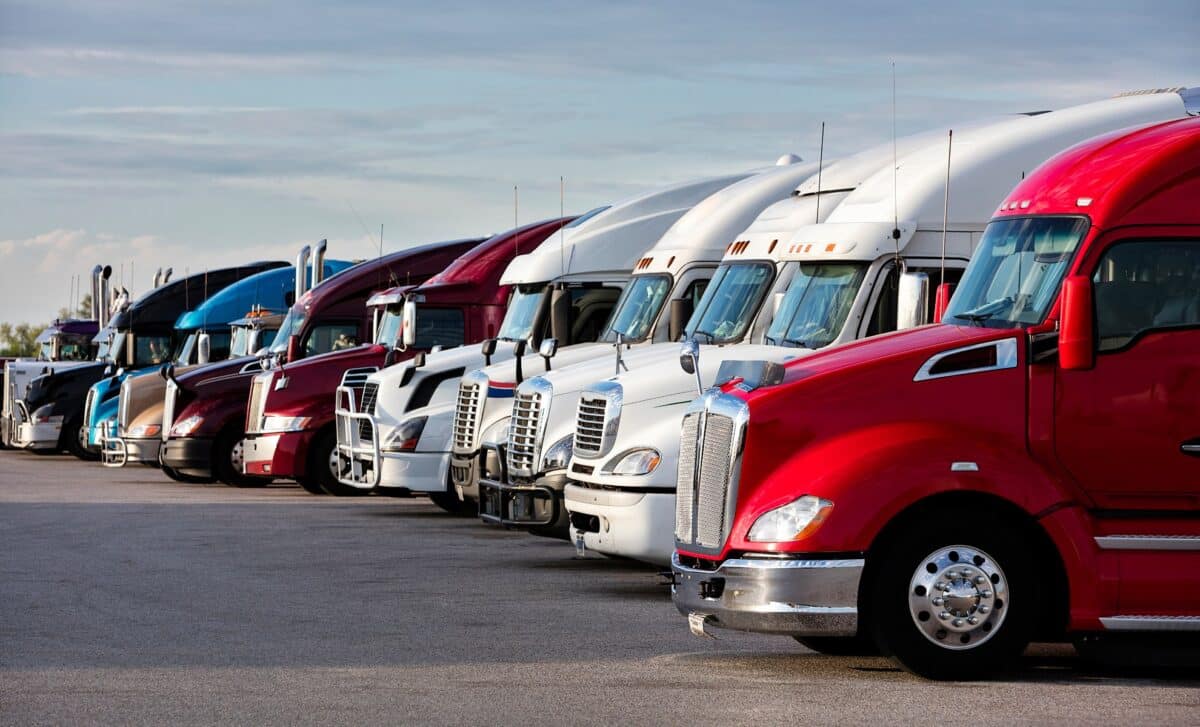
As fuel prices surge across Australia, pressure is mounting on the country’s supply chains. Trucking companies, already operating on tight margins, warn the situation is becoming unsustainable. Business leaders say that without swift government action, rising fuel costs could soon push up the price of everyday essentials—from groceries to household goods.
Business Groups Call for Cut to Heavy Vehicle Fuel Tax
Australia’s peak business body, the Australian Chambers of Commerce and Industry (ACCI), is urging the federal government to reduce the heavy vehicle road user charge, currently set at 32.4 cents per litre of diesel. The tax brings in around $3 billion each year, but business leaders argue that temporarily lowering it would ease the financial pressure on transport operators during the ongoing fuel crisis.
With diesel prices exceeding $3 per litre in some regions, many trucking businesses are seeing their operating costs climb sharply. Freight companies are often the first to absorb these increases, yet the impact rarely stops there. When transport becomes more expensive, the cost of goods—particularly food and groceries—tends to rise as well. ACCI chief executive Andrew McKellar said reducing the charge could help soften the blow across the supply chain.
“That will help control costs through the supply chain,” McKellar said. “For things like food and grocery prices, it will help insulate the impact there and moderate any inflationary impact that they’re seeing,” reports 9News.
Targeted Relief Instead of Broad Fuel Excise Cut
The proposal is being positioned as a targeted alternative to cutting the broader fuel excise, something the federal opposition has recently suggested. According to McKellar, lowering the heavy vehicle charge would focus relief directly on the transport sector, which plays a critical role in moving goods across the country. Unlike a broad fuel excise reduction, this measure would avoid encouraging additional fuel demand while still helping the parts of the economy most exposed to rising diesel prices.
“It’s something that doesn’t send an artificial signal, such as what an immediate reduction in the fuel excise would do,” McKellar explained.
Fuel Crisis Begins to Strain Transport Sector
The push for tax relief comes as the fuel crisis intensifies. Global tensions linked to the war in the Middle East have driven up oil prices and disrupted supply routes, placing further strain on Australia’s fuel market. For trucking operators and logistics companies, diesel is one of the largest operating costs. Even modest price increases can have a noticeable effect on profitability. For smaller businesses and owner-drivers, the pressure can escalate quickly.
As these costs build, the ripple effect spreads through the broader economy. Higher freight expenses often translate into higher prices for goods transported across long distances—which, in Australia, is most goods.
Government Under Pressure to Act
Alongside its call to cut the heavy vehicle charge, the ACCI has proposed a broader four-point plan to help stabilise the fuel situation. The group is urging the government to strengthen cooperation with fuel suppliers and international partners, improve domestic fuel distribution, and prepare contingency plans if shortages worsen. While fuel rationing is not currently expected, business leaders say it cannot be ruled out if global disruptions intensify.
State and territory leaders met with Prime Minister Anthony Albanese ahead of an upcoming National Cabinet meeting, where the fuel situation is expected to feature prominently. For now, Australia’s fuel supplies remain stable. Yet with global uncertainty continuing and prices climbing, businesses are watching closely—and pushing for measures they believe could prevent the crisis from spreading further through the economy.