A new cash rounding system has come into effect in Oklahoma, changing how certain cash payments are calculated when the final amount ends in small denominations. The rules took effect on November 1 under the state’s Common Cents Act, although they apply specifically to cash payments made to state and local government agencies.
How The New Oklahoma Rounding Rule Works
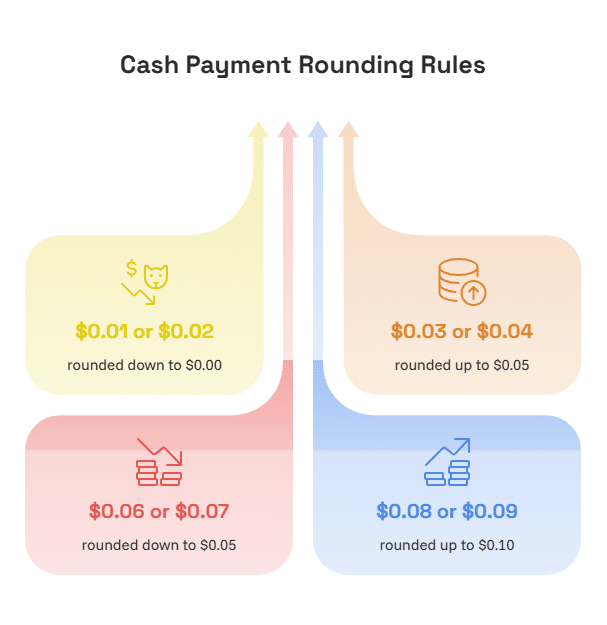
Under the law, cash payments to state and local agencies are rounded to the nearest five cents. The rules are:
- $0.01 or $0.02 → rounded down to $0.00
- $0.03 or $0.04 → rounded up to $0.05
- $0.06 or $0.07 → rounded down to $0.05
- $0.08 or $0.09 → rounded up to $0.10
The system applies to the final cash transaction amount rather than changing the listed price of individual goods or services.
Walmart And Costco Are Not Required To Follow The Rule
The new Oklahoma law does not require private retailers to adopt the rounding system. That means shoppers at stores such as Walmart and Costco will not automatically see their purchases rounded under HB 3075 simply because the law is now in effect.
Private businesses can decide whether to introduce their own cash rounding policies. Cities and counties in Oklahoma have until July 1, 2027 to transition to the new system.
Why Cash Rounding Is Becoming More Common
The changes come after the end of US penny production in 2025. With fewer pennies entering circulation, some businesses have started considering ways to handle cash transactions when the exact amount cannot be provided in coins.
The approach does not generally affect customers paying electronically, since card and digital transactions can still be processed to the exact cent. Cash customers, by contrast, may see the final amount rounded up or down where a retailer has adopted such a policy.
Some Walmart Customers Have Already Seen Rounding
Cash rounding is not limited to Oklahoma. Customers in other parts of the country have reported seeing rounding lines on receipts.
One Florida Walmart shopper shared a receipt showing a separate “rounding” line on the transaction. In that case, the customer received two cents back through the rounding adjustment.
The example illustrates how individual retailers can use rounding voluntarily, rather than as a direct consequence of Oklahoma’s new law.
What Oklahoma Shoppers Need To Know
The Common Cents Act applies to cash payments made to state and local agencies. It does not force every shop in Oklahoma to round purchases. For shoppers, the main change is therefore tied to government transactions, while private retailers retain discretion over whether to introduce similar policies.
Customers paying cash should check their receipts when a retailer uses rounding so they can see whether the final amount has been adjusted up or down.