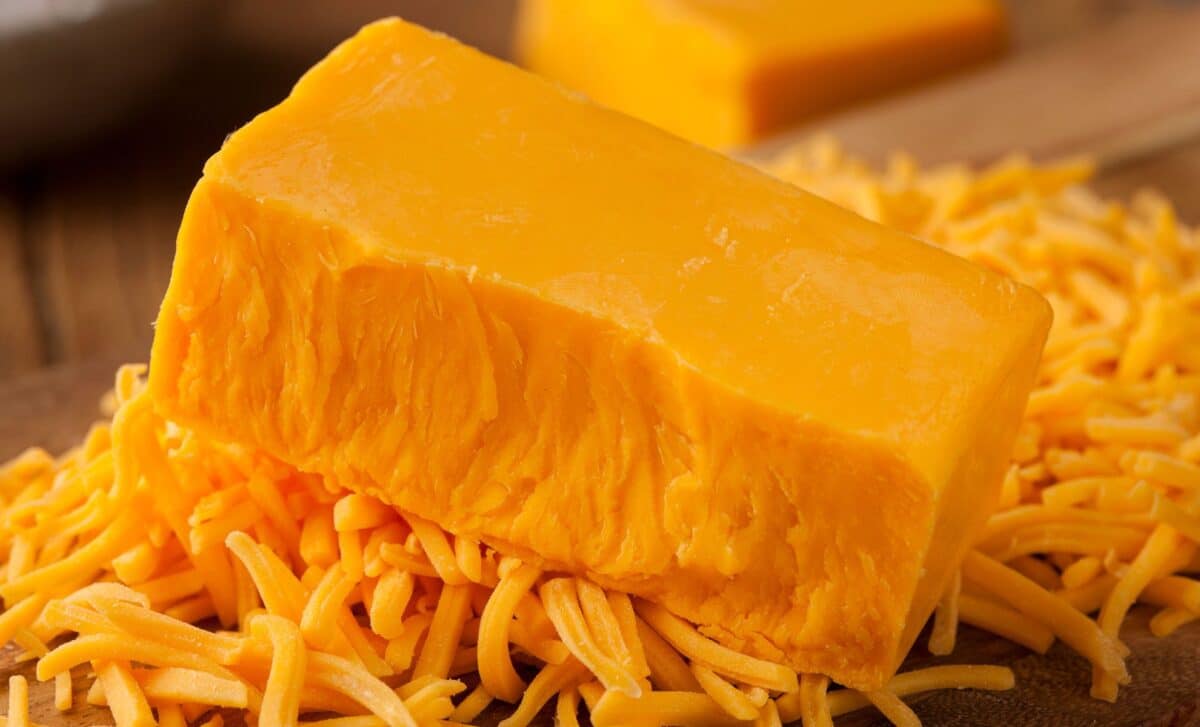
A New York dairy producer has recalled raw cheddar cheese distributed across at least seven states after laboratory testing detected two potentially dangerous strains of E. coli, raising concerns about severe illness and kidney damage.
Raw Cheddar Cheese Recall Spans Seven States
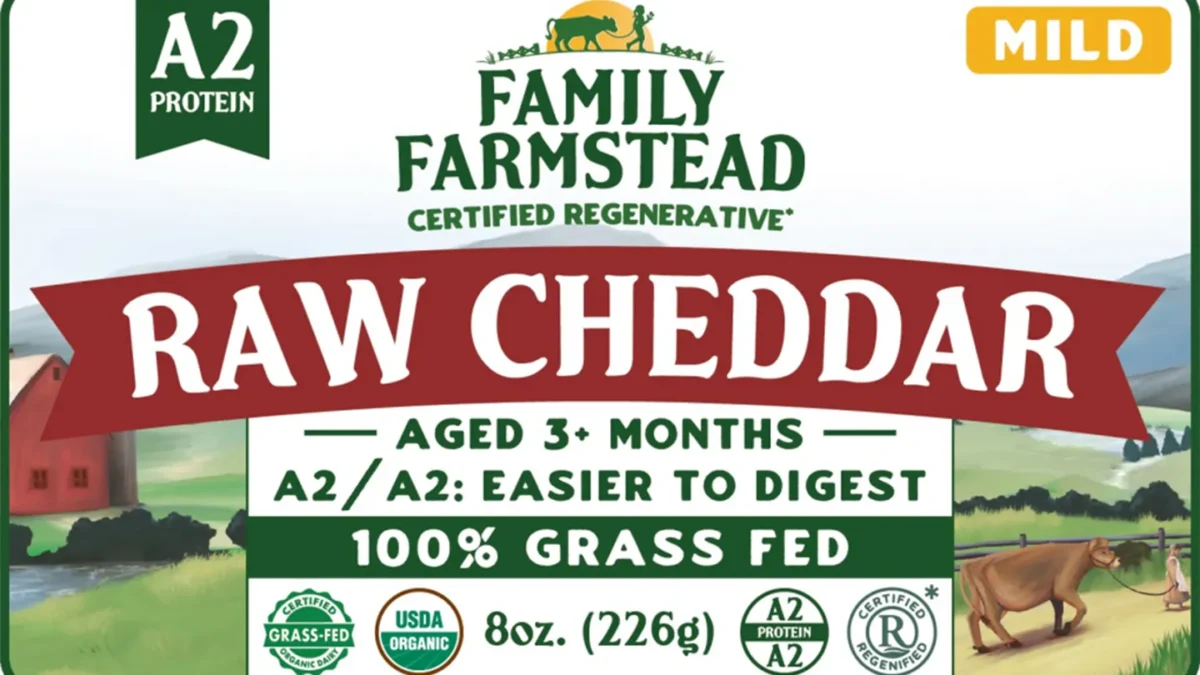
According to Fox Business, Family Farmstead Dairy, based in Worcester, New York, initiated the recall of its Family Farmstead Dairy Raw Mild Cheddar Cheese following findings reported in an October 15 notice published by the U.S. Food and Drug Administration (FDA).
The affected cheese carries the lot code and best-by date 7/22/27, an identifying detail consumers should check before eating any remaining product.
The company distributed the cheese to retailers in New York, Pennsylvania, New Jersey, Connecticut, Maryland, Virginia, and Massachusetts. Distribution may extend beyond those states because additional wholesalers could have supplied the product to other locations.
The recall followed testing in Maryland that identified contamination in samples of Family Farmstead A2 Raw Cheddar, packaged in eight-ounce portions.
Laboratory results detected two bacterial strains: E. coli O26:H11 and E. coli O45:H2. Both can cause gastrointestinal illness, including diarrhea and bloody stools.
At the time of the announcement, officials had received no reports of illnesses or allergic reactions associated with the affected cheese.
FDA Warns of Potentially Severe Kidney Complications
The recall notice highlights the health risks associated with certain strains of E. coli, particularly for vulnerable populations.
Although many infections resolve without lasting complications, some can progress to a serious condition affecting kidney function.
“Although most healthy adults can recover completely within a week, some people can develop a form of kidney failure called Hemolytic Uremic Syndrome (HUS),” the notice stated.
“HUS is most likely to occur in young children and the elderly. The condition can lead to serious kidney damage and even death.”
Hemolytic Uremic Syndrome (HUS) is a complication associated with certain E. coli infections. It can damage small blood vessels in the kidneys, interfering with their ability to filter waste from the bloodstream.
The potential severity of these complications explains why food safety authorities recommend avoiding recalled products even when they appear normal and have not reached their expiration date.
The detection of the bacteria does not mean every package is contaminated, but consumers cannot determine whether the cheese is safe simply by examining its appearance or smell.
What Consumers Should Do With the Recalled Cheese
Consumers who purchased the affected Family Farmstead Dairy Raw Mild Cheddar Cheese should not eat it, according to the recall instructions.
Instead, they should discard the product or return it to the retailer where it was purchased for a full refund.
The recall applies specifically to the identified cheese product. The company confirmed that no other Family Farmstead Dairy products are included in the announcement.
Family Farmstead Dairy also acknowledged the disruption caused to customers and retail partners.
“We sincerely apologize to our customers, retail partners, and consumers for the inconvenience caused by this recall,” the company said.
The dairy producer said product quality remains a priority and that it intends to identify the source of the contamination and implement corrective measures to protect future production.
The company had not provided additional comments when contacted by Fox Business.
As of the recall announcement, no illnesses had been reported, and the affected product remained identifiable by its July 22, 2027, best-by date.