
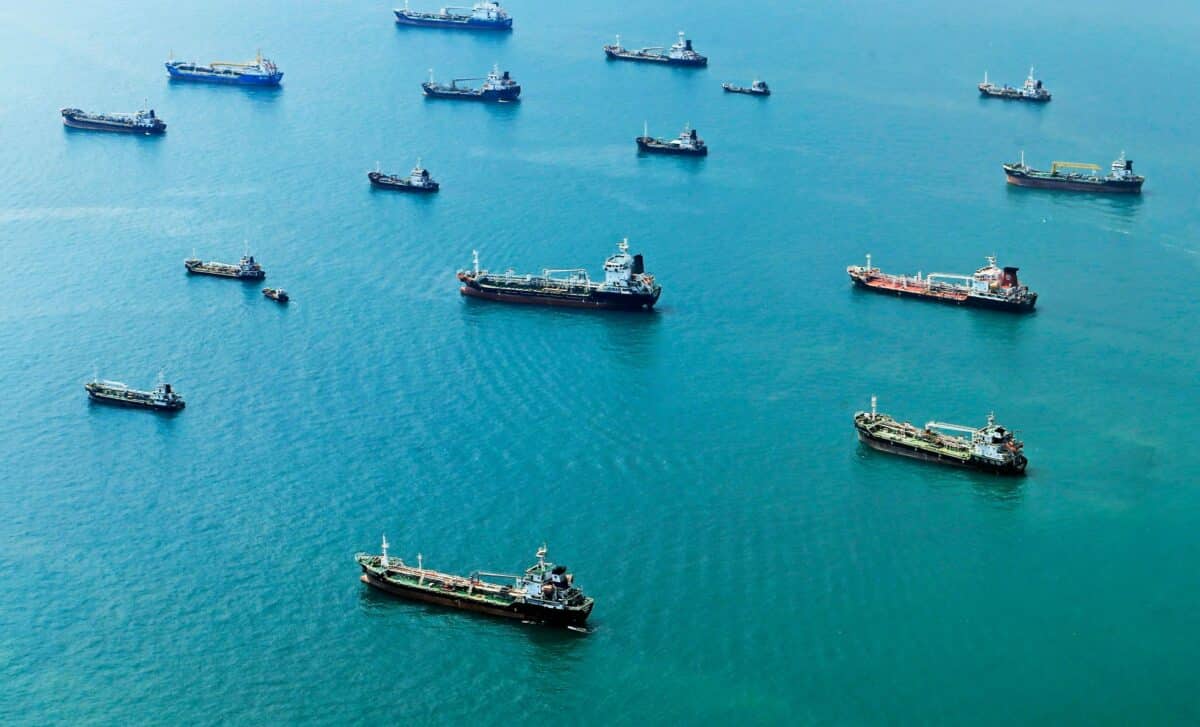
The situation has added pressure to energy markets at a time when crude prices have already been affected by regional instability. The shortage is not only linked to oil supply itself, but also to the vessels needed to move crude from producers in the Middle East to buyers around the world.
Tanker Shortages Drive Up Costs Through the Strait of Hormuz
Drone attacks that affected Saudi Arabia’s East-West pipeline earlier this month forced more crude shipments back through the Strait of Hormuz, increasing demand for an already limited tanker fleet. Longer journeys and repeated shuttle operations have reduced the number of available vessels and pushed daily tanker hire rates to record levels.
According to Reuters, exports through Hormuz reached around 6.5 million barrels per day in September, the highest level since a brief increase after the June ceasefire. To keep oil moving, producers have introduced ship-to-ship transfers, where crude is moved between vessels in waters outside the main shipping route.
The system has become a key method for Gulf producers. Tankers collect crude from terminals and transport it to safer areas in the Gulf of Oman, where larger vessels take the cargo onwards to destinations, mainly in Asia. According to Kpler, around 2.5 million barrels per day of crude are expected to be loaded through ship-to-ship transfers in the Gulf of Oman in September, compared with 1.4 million barrels per day in August.
Before the conflict, ship-to-ship transfers were rarely used in this part of the oil trade. The new approach has allowed exports to continue, but it has also created additional logistical costs and increased pressure on the tanker market.
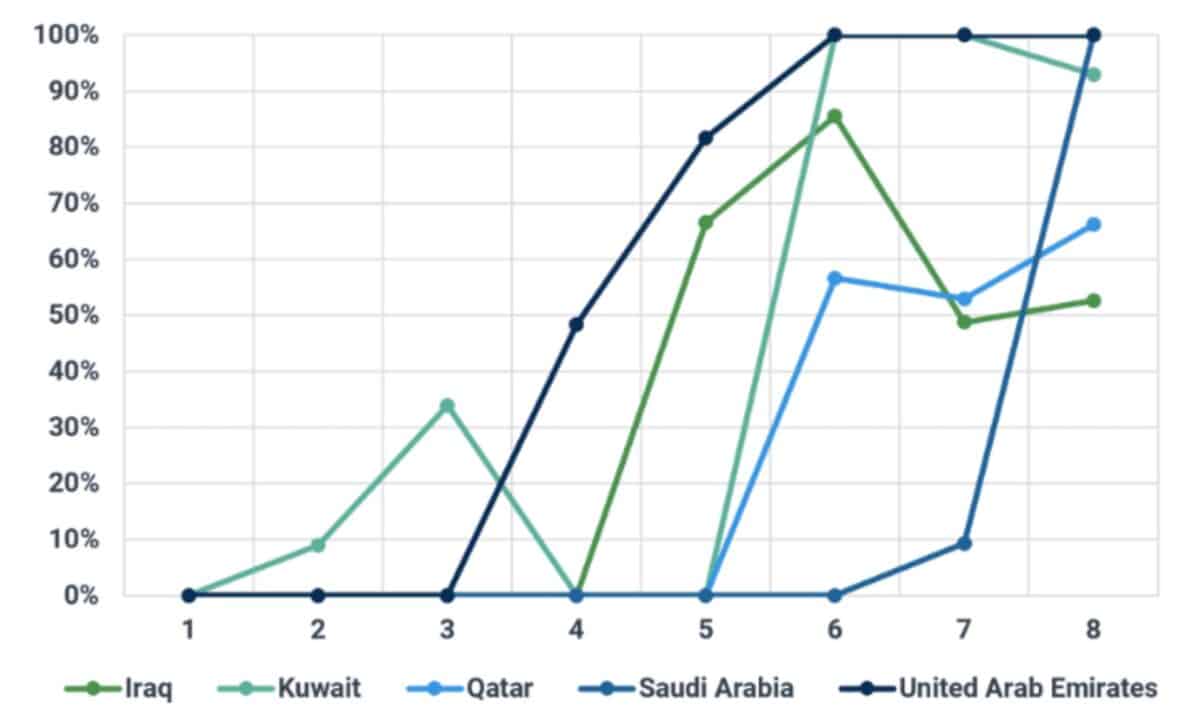
A Costly Adaptation for the Global Oil Industry
Saudi Aramco has also increased its use of ship-to-ship operations after disruptions affected alternative export routes. According to Reuters, the company has been relying more on these transfers as restrictions affecting Red Sea routes have reduced the effectiveness of other options.
The growing dependence on tanker transfers has raised shipping costs significantly. According to LSEG data cited by Reuters, freight rates for a very large crude carrier transporting Gulf crude to China have risen above $30 per barrel, the highest level recorded. With crude prices around $105 per barrel, transport costs now represent more than a quarter of the total cost, compared with around 2% to 3% before the conflict.
The higher shipping expenses have also affected producers, who have offered larger discounts on crude in order to remain competitive while absorbing part of the additional transport burden. At the same time, the increased use of tankers in the Gulf has reduced vessel availability elsewhere, contributing to higher global freight rates.
The current shipping network shows how oil producers are adapting to ongoing disruption, using military escorts, temporary transfer points and alternative routes to maintain exports. The longer these conditions continue, the more dependent the oil trade becomes on complex and costly transport arrangements.