Powerful weather moved across Illinois overnight, bringing reported tornadoes, torrential rain, lightning and damaging winds. In the town of Ransom, a train was blown off its tracks, while flooding developed in parts of Chicago as rainfall fell at more than an inch and a half per hour.
The storms were part of a wider period of disruptive weather affecting several parts of the United States. Nearly 50 million people were under heat alerts, severe thunderstorms threatened tens of millions from the Great Lakes to the Northeast, and close to 100 large wildfires were burning across the country.
Illinois Storms Bring Tornado Reports, Flooding and Travel Disruption
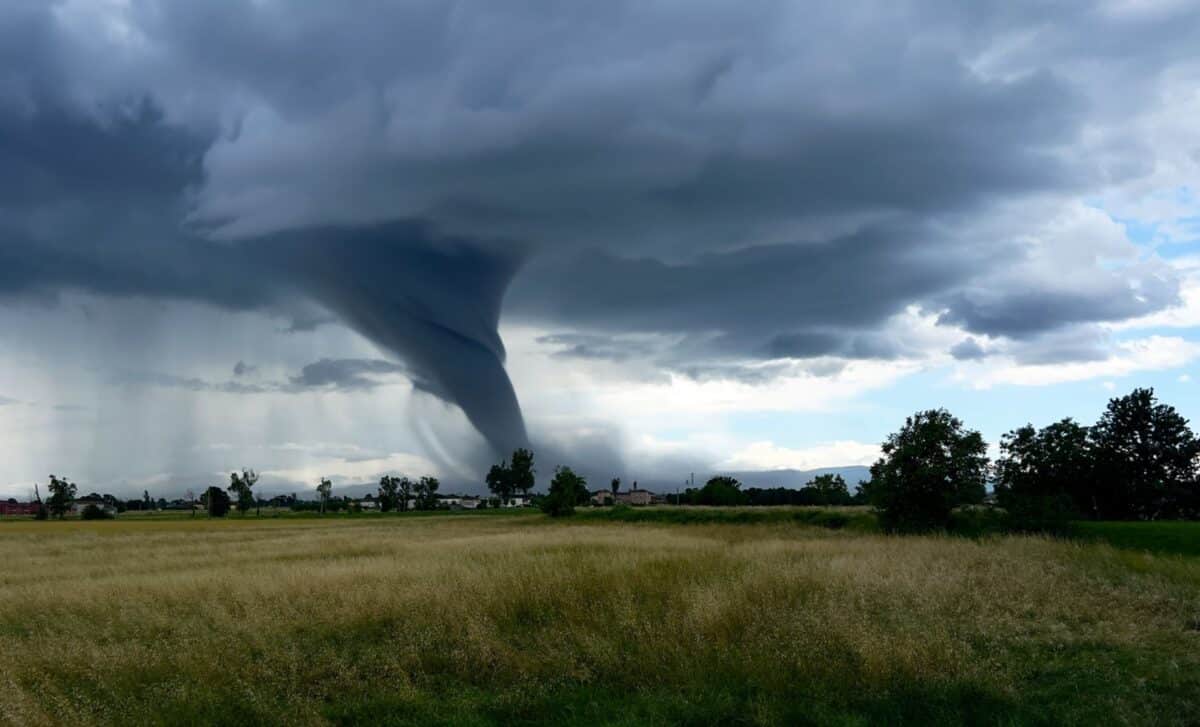
In Illinois, reported tornadoes caused damage overnight as powerful storms moved through the state. Footage from Ransom showed debris in the air and damage on the ground, including a train that had been blown from the tracks.
Chicago was hit by intense rainfall, with water pouring from roofs and running into streets as localized flooding developed. The storms also knocked out electricity to thousands of customers in the city and caused a delay during a Chicago White Sox game.
According to the NBC News climate unit, Illinois has recorded more than 226 tornado reports this year. That total is more than twice the tally reported by any other state at this point in the year.
The threat had not ended with the overnight storms. According to the National Weather Service, additional thunderstorms capable of producing hail and damaging winds were expected into the evening, raising the possibility of further disruption during the commute.
A broader severe-weather risk extended from the Great Lakes into the Northeast and parts of the Plains, affecting about 43 million people. Wind gusts and hail were expected to be the primary hazards, while an isolated tornado or two could not be ruled out.
Rain also affected parts of the Northeast. In western Massachusetts, sudden storms over the weekend displaced some residents after a roof partially collapsed. Weather conditions also interfered with travel on Sunday, producing temporary airport ground stops and delays.
Extreme Heat and Wildfires Add Pressure across Several States
At the same time, extreme heat continued across large areas of the country. Almost 50 million people were under heat alerts, with heat index values in parts of the Plains reaching as high as 110 degrees.
Forecast conditions remained oppressive in several cities. According to NBC News meteorologist Angie Lassman, Savannah and St. Louis were expected to feel like 105 degrees, while Memphis could reach a heat index of 107 degrees. Little Rock was also expected to feel like 107 degrees the following day, with Raleigh near 102 and Atlanta close to 100 despite an actual temperature around 90.
The heat came as nearly 100 large wildfires continued burning nationwide, including dozens stretching from Washington to Nevada. North of Reno, evacuation orders were in effect as firefighters worked to contain a wildfire.
In Utah, another fire had already burned more than 100,000 acres. Two firefighters died in a helicopter crash while battling that blaze, and first responders later gathered to pay tribute to them. Wildfires in the Pacific Northwest were also affecting air quality. Some areas around Missoula, Libby and Spokane were experiencing unhealthy or very unhealthy conditions, with warnings expected to remain relevant through the day and potentially into the following days.