A growing debate in New York could determine whether grocery stores are allowed to use electronic shelf labels to adjust prices throughout the day. Supporters of a proposed ban argue the technology could open the door to dynamic pricing for everyday necessities, while opponents insist retailers are simply adopting modern tools that improve efficiency and allow faster promotional discounts. As lawmakers weigh the issue, the outcome could influence how supermarkets across the United States approach pricing in the years ahead.
Why Electronic Price Tags Have Become A Political Flashpoint
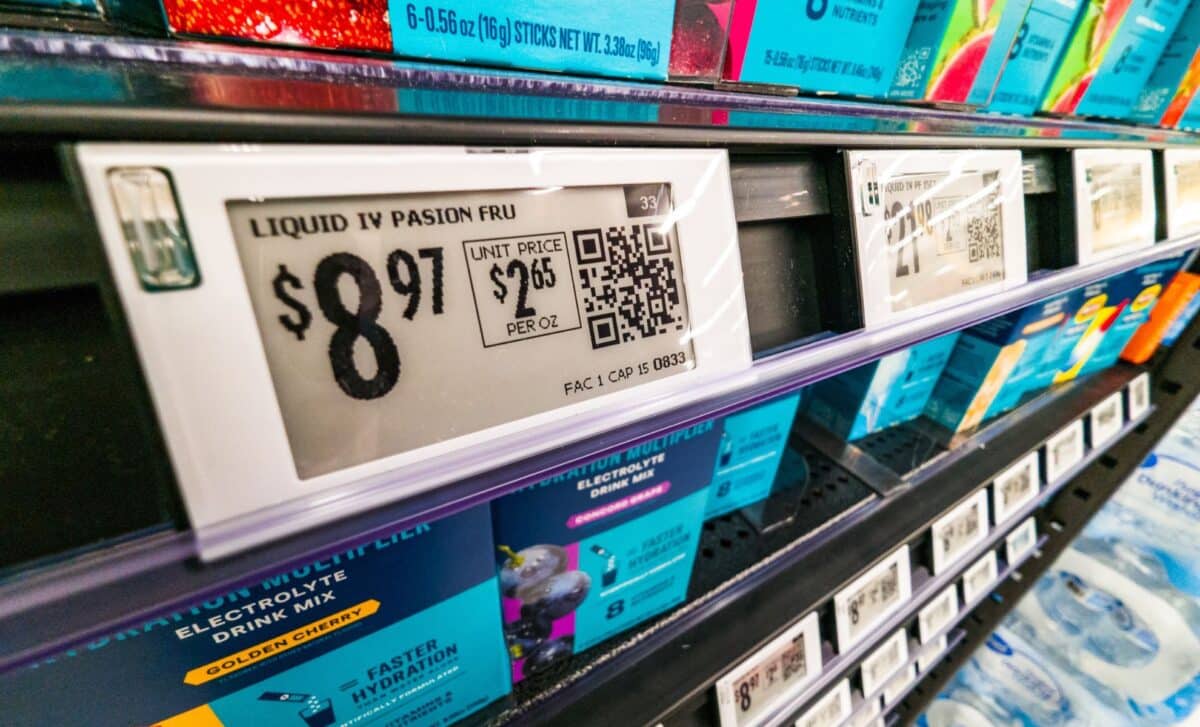
Electronic shelf labels have become increasingly common in supermarkets as retailers replace traditional paper price tags with digital displays that can be updated instantly. While the technology offers operational advantages, critics fear it could also make it easier to implement dynamic pricing on essential goods, allowing prices to fluctuate based on demand, weather, or shopping patterns. According to WWNY-TV, New York lawmakers are now considering legislation that would prohibit grocery stores from using electronic shelf labels, reflecting broader concerns about consumer protection and price transparency.
Labor organizations have emerged as some of the strongest supporters of the proposal. They argue that food is fundamentally different from discretionary purchases because consumers cannot simply choose not to buy groceries. For that reason, they believe pricing technology capable of changing costs within minutes deserves greater scrutiny than similar systems used in other industries. Ademola Oyefeso, director of the Legislative and Political Action Department at the United Food and Commercial Workers (UFCW), summarized those concerns by saying,
“We’re trying to point out to people that groceries and food are a necessity, and companies shouldn’t be able to play with a necessity like this.”
Supporters of the legislation contend that preventing rapid price changes before they become widespread would protect shoppers from practices they see as unfair and preserve confidence in grocery pricing.
Supporters Warn Dynamic Pricing Could Change Everyday Grocery Shopping
Advocates of the proposed legislation argue that electronic shelf labels are not the problem by themselves. Instead, they worry about the possibilities the technology creates if retailers decide to maximize revenue through automated pricing systems. Because digital labels can update prices across an entire store in seconds, critics believe they could eventually be paired with algorithms that respond to consumer demand, weather conditions, inventory levels, or shopping traffic without requiring employees to replace paper tags.
Oyefeso described a scenario that supporters believe lawmakers should prevent before it becomes reality.
“They’re using it as a way to be able to increase prices every single day, and if New York — the legislature — doesn’t stop it, milk will go from $2.99 to $5.99 depending on the time of day. On a hot day like it is right now, ice cream can be raised a dollar just because it’s 90 degrees instead of staying the normal price it is,” Oyefeso said.
Although there is ongoing debate over whether supermarkets currently use electronic shelf labels for dynamic pricing on a large scale, supporters of the bill argue the legislation is intended to establish safeguards before such practices become commonplace. They believe preventing the possibility now is preferable to addressing widespread consumer complaints later.
Retailers And Lawmakers Say The Technology Also Has Consumer Benefits
Not everyone agrees that electronic shelf labels should be viewed as a threat. Retailers have long argued that digital pricing systems reduce labor costs, improve pricing accuracy, and allow stores to update discounts more quickly. Instead of employees manually replacing thousands of paper labels, promotions can be activated immediately across an entire location, making advertised sales available without delay. Many grocery companies also maintain that digital labels can reduce pricing errors between shelves and checkout registers.
Some lawmakers have echoed those arguments. Assemblyman Scott Gray (R. – 116th District) said the technology reflects long-standing retail marketing practices rather than a new attempt to exploit consumers.
“That’s all part of marketing — if they know that traffic is high, or if they know that people are going to be buying, say, a sort of beverage at that time in the afternoon and they want to offer discounts on that, that’s all part of what stores do,” Gray said.
Supporters of this view argue that electronic shelf labels can actually increase flexibility for promotions by allowing stores to lower prices more frequently instead of waiting for weekly advertising cycles. They also note that many industries already rely on dynamic pricing, including airlines, hotels, ride-sharing services, and entertainment venues.
A Decision That Could Influence Grocery Pricing Beyond New York
The debate extends beyond one state’s proposed legislation because grocery retailers across the country are increasingly investing in digital store technology. If New York adopts restrictions on electronic shelf labels, other states could consider similar measures, particularly as artificial intelligence and automated pricing systems become more sophisticated. At the same time, retailers are likely to argue that technological innovation should not be limited without evidence of widespread consumer harm.
The discussion also highlights a larger question about the future of retail: how to balance technological efficiency with public trust. Consumers have grown accustomed to fixed grocery prices, making the possibility of rapidly changing costs especially sensitive when applied to everyday necessities. Whether lawmakers ultimately approve or reject the proposal, the debate has already brought renewed attention to how supermarkets may use digital tools in the future and whether additional safeguards are needed as pricing technology continues to evolve.