The change follows a 2022 ballot initiative that aimed to gradually raise the minimum wage for tipped employees to match the city’s standard minimum wage. While supporters described the measure as a way to guarantee a living wage, critics argued that it placed additional financial pressure on restaurants.
Restaurant Closures Fell after the Council Paused Scheduled Wage Increases
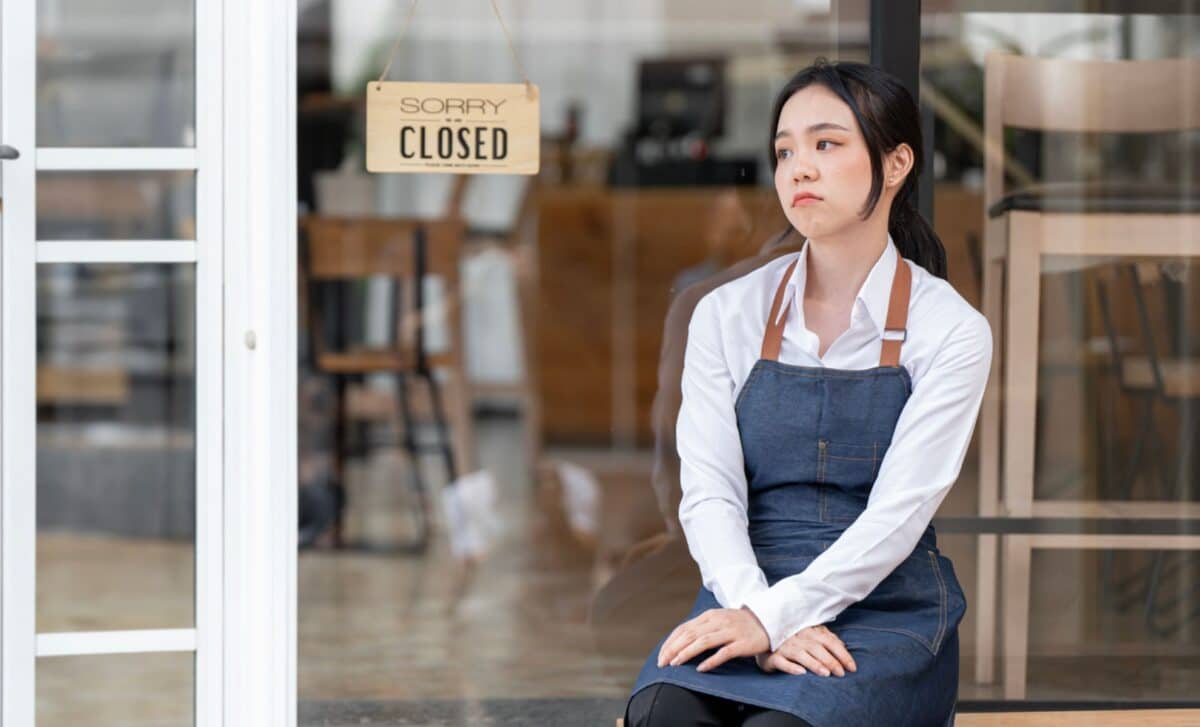
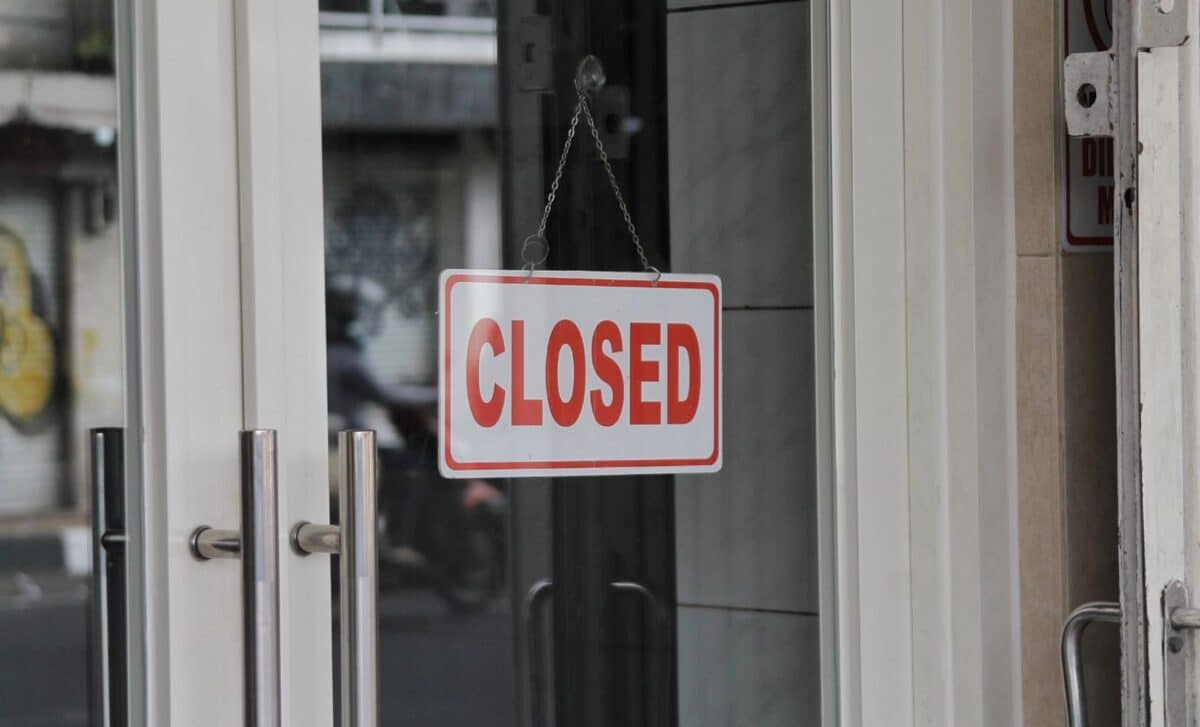
An estimated 32 restaurants closed during the first half of 2026, compared with 56 during the same period in 2025, representing a 43 percent decline. According to the Restaurant Association Metropolitan Washington, the number of closures had risen steadily over the previous several years, from 26 in the first half of 2022 to 29 in 2023, 34 in 2024, and 56 in 2025.
The source notes that these figures do not necessarily prove that the decline resulted from the D.C. Council’s decision to pause increases in the tipped minimum wage. It states that restaurant performance is influenced by a range of factors, including broader economic and consumer trends.
Even so, The Washington Post says 2026 remained a difficult year for the restaurant industry. According to the article, inflation continued to raise food prices, while the Trump administration’s immigration policies tightened the labor market for food industry workers. The article argues that it is reasonable to assume the council’s decision to ease the wage mandate contributed to keeping more restaurants in business.
The original ballot initiative, approved by 74 percent of D.C. voters in 2022, required businesses to begin increasing the minimum wage for covered tipped employees from $5.35 per hour, with the goal of eventually matching the city’s standard minimum wage, which is currently $18.40 per hour.
The Policy Remains in Place under a Revised Timeline
According to the article, the D.C. Council did not repeal the initiative but instead paused further increases until July 1 of this year and adopted a slower implementation schedule extending over the next decade. Under the revised plan, the tipped minimum wage is scheduled to reach 75 percent of the regular minimum wage by 2034.
The source says some restaurant owners identified rising labor costs as the main reason their businesses closed during the period when wage increases were being phased in. It also states that some tipped employees opposed the policy because their earnings from tips already exceeded the standard minimum wage.
The article also reports that labor advocates are seeking to place another measure on the D.C. ballot in November. The proposal would raise the city’s standard minimum wage to $25 per hour while eliminating the lower minimum wage for tipped workers.
The editorial concludes that D.C.’s experience demonstrates the consequences of higher minimum wage policies for businesses and workers. It argues that similar proposals are gaining support among Democratic politicians across the country and says voters continue to support policies that, in the editorial’s view, have unintended economic effects.