Oil prices edged higher at the start of trading on July 6, with Brent crude reaching $72.36 per barrel. The benchmark posted only a slight increase from the previous day, while remaining above its level from one year ago.
The latest figures highlight the changing nature of global energy markets, where prices continue to respond to supply and demand, geopolitical developments, and broader economic conditions. According to Fortune, Brent crude was trading at $72.36 per barrel as of 8:30 a.m. Eastern Time on July 6.
Brent Crude Remains the Leading Benchmark for Global Oil Prices
Brent crude increased by five cents from the previous trading day, rising from $72.31 to $72.36 per barrel. According to Fortune, this represented a daily gain of 0.06%. Compared with one year earlier, when Brent traded at $68.83 per barrel, the benchmark was approximately $3.50 higher, an increase of 5.12%.
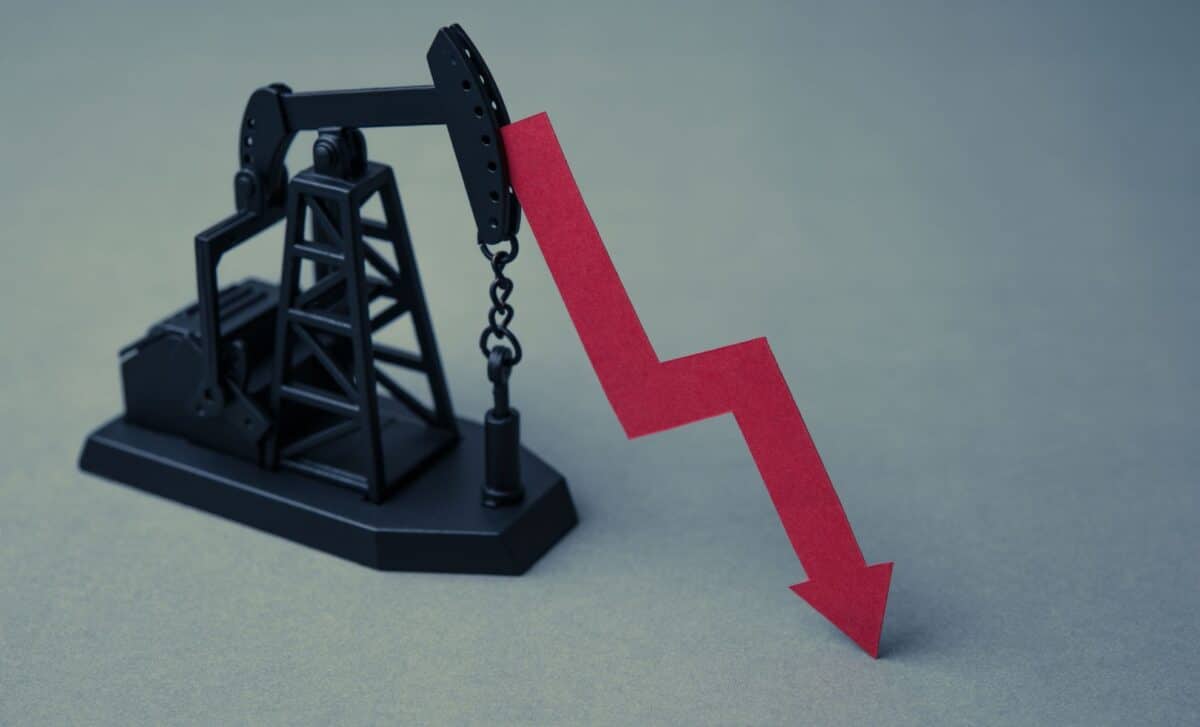
The picture over a longer short-term period was markedly different. One month earlier, Brent crude stood at $95.60 per barrel, meaning the latest price reflected a decline of 24.30%. The publication notes that Brent serves as the principal global benchmark because it prices much of the world’s traded crude oil. It also reports that the U.S. Energy Information Administration now uses Brent as its primary reference in its Annual Energy Outlook.
According to the same source, forecasting future oil prices remains impossible because numerous factors influence the market. Supply and demand remain the primary drivers, while expectations surrounding economic conditions, geopolitical tensions, wars, and production decisions can quickly alter price movements.
Oil Prices Continue to Shape Fuel Costs and Broader Energy Markets
Changes in crude oil prices have a direct effect on gasoline prices, although consumers pay for more than crude itself. The final price at the pump also reflects refining, wholesale distribution, taxes, and retail markups. Even so, crude oil generally accounts for more than half of the price of a gallon of gasoline, making it the largest single component of fuel costs.
The report also explains that gasoline prices often do not decline as quickly as crude oil prices. This pattern is commonly referred to as “rockets and feathers,” describing how retail fuel prices tend to rise rapidly while falling more gradually after crude prices ease.
The article also outlines the function of the U.S. Strategic Petroleum Reserve. Its primary purpose is to provide energy security during emergencies such as sanctions, severe storm damage, or war. According to Fortune, the reserve can also help reduce the impact of sudden supply disruptions by easing severe price spikes and supporting critical sectors including emergency services, public transportation, and key industries. The publication emphasizes that the reserve is intended as immediate relief rather than a long-term solution.
Fortune also notes the connection between oil and natural gas markets. Because both are major energy fuels, higher oil prices can encourage some industries to substitute natural gas where possible, increasing demand for that fuel. The publication adds that oil prices have experienced repeated periods of sharp increases and declines over several decades, reflecting events such as wars, supply cuts, recessions, oversupply, and the collapse in demand during the COVID-19 lockdowns.