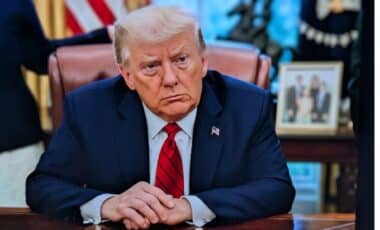
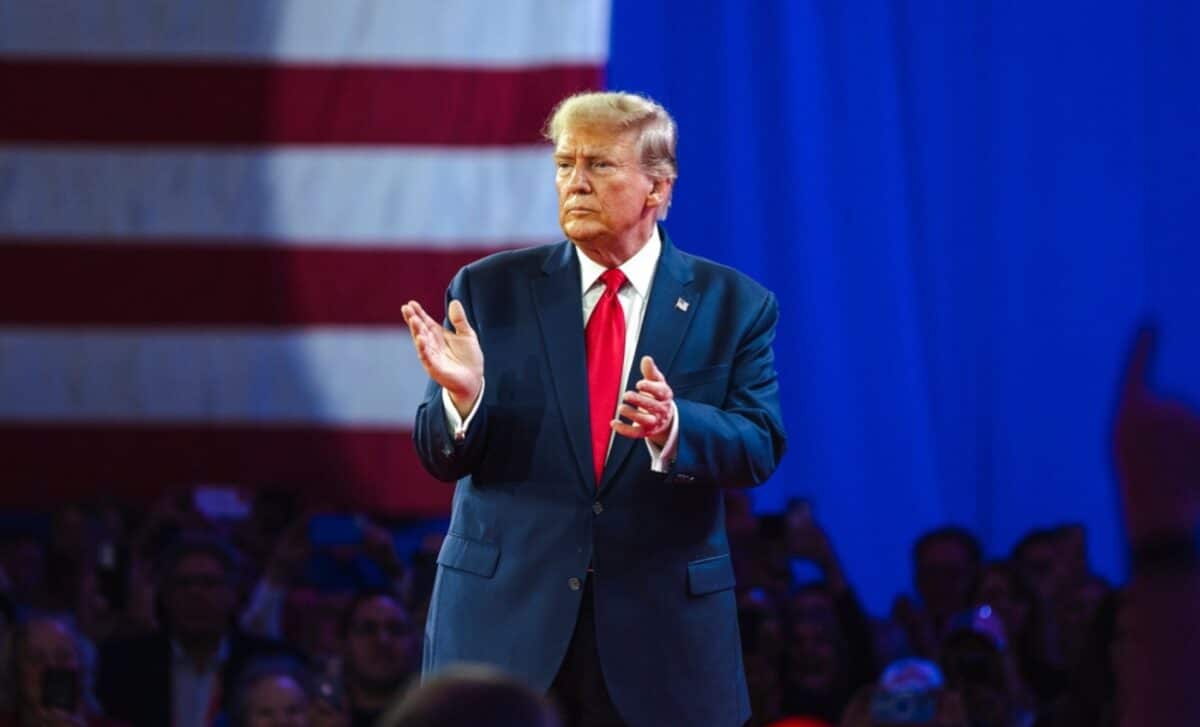
Crude oil prices fell sharply after President Donald Trump announced that he had cancelled planned military strikes against Iran. The move, coupled with reports of a potential peace deal, raised hopes that tensions in the Middle East may be easing, leading to a significant drop in global oil prices.
Oil Markets React to US-Iran Developments
US crude oil futures for July delivery fell 4.5 percent to $83.80 per barrel, while Brent crude for August delivery lost 4.4 percent to $86.45 per barrel. The decline comes amid optimism that a draft agreement between the US and Iran could reopen the Strait of Hormuz, a key shipping route for global oil supplies.
According to Iranian state media, the proposed deal would see Iran commit to reopening the strait within 30 days. In return, the US would lift certain oil sanctions, withdraw its forces from Iran, and participate in reconstruction plans estimated to cost up to $300 billion.
Trump Hails Settlement
President Trump described the developments as a “great settlement of the war with Iran” and said the White House expected the necessary documents to be finalized within days. He also stressed that negotiations had reached the highest levels of Iranian leadership, justifying the cancellation of the planned strikes.
However, Iranian officials disputed Trump’s claims. State-affiliated media outlet Fars reported that Iran had not approved any draft memorandum of understanding and portrayed the announcement as a retreat from Trump’s earlier threats. Analysts note that Tehran appears to be reviewing the text it initially submitted, leaving uncertainties over whether a formal agreement will be reached.
Market Factors and Oil Price Containment
Despite the recent escalation, oil prices remained contained. BMO Capital Markets noted that ongoing diplomatic efforts, alternative shipping routes around the Strait of Hormuz, and sharply lower Chinese crude imports helped offset geopolitical risks. Citi analysts agreed, highlighting that Chinese demand is unlikely to drive a major price surge in the near term. They estimate China can maintain imports around 8.7 million barrels per day without depleting inventories, moderating fears of a bidding war for crude supplies.
Implications for Global Markets
The combination of halted military action and potential agreements in Tehran has eased immediate supply fears, sending oil prices lower. Analysts caution, however, that any breakdown in talks or renewed military threats could quickly reverse the trend, demonstrating the ongoing volatility in global energy markets.
For UK consumers and energy markets, falling oil prices may reduce fuel costs at the pump and ease pressure on wholesale energy prices, though long-term effects depend on the stability of US-Iran relations and global oil demand.