
Americans are saving less of their income than they have in nearly four years, as high living costs continue to squeeze household budgets. In April, the personal saving rate fell to 2.6 percent, the lowest reading since June 2022, according to the Commerce Department.
Energy Prices and Inflation Push Savings Down
The decline comes as consumers spend more on gasoline and other energy goods. Average pump prices recently climbed above $4.20 a gallon, influenced by the ongoing war in Iran. Higher energy costs have helped push inflation to 3.8 percent, marking the first time since 2023 that consumer prices are rising faster than wages.
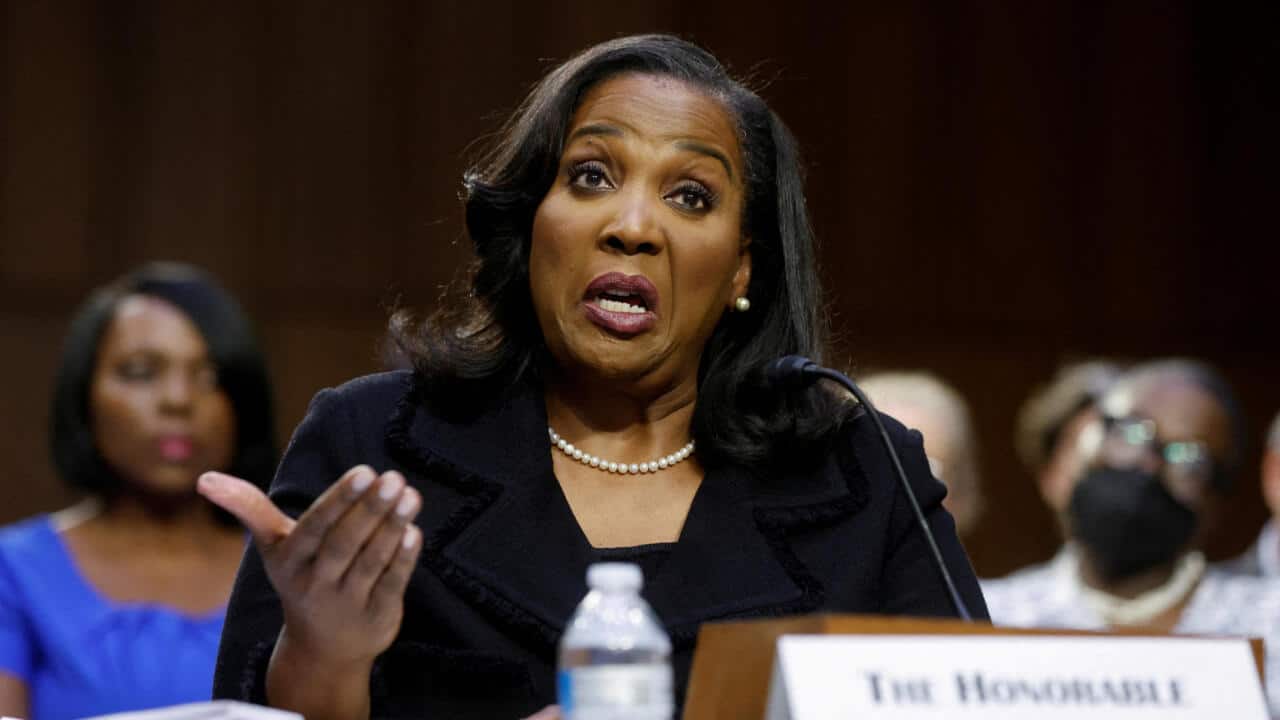
Federal Reserve Governor Lisa Cook noted in a speech that “inflation is clearly moving in the wrong direction,” though she added that some of the price pressures stem from temporary shocks that, in theory, should not persist.
Households Feeling the Squeeze
At 2.6 percent, April’s saving rate is among the lowest in the past two decades. Heather Long, Chief Economist at Navy Federal Credit Union, observed that the reading “underscores how squeezed Americans are right now with higher prices and incomes not keeping up.”
The personal saving rate has only dipped below 3 percent during periods of extreme financial stress, most notably in June 2022 when annual inflation peaked at 9.1 percent and gas prices hit $5 per gallon, and briefly before the 2008 financial crisis. Prior to the pandemic, Americans were saving roughly twice the current rate, reflecting how much tighter household finances have become.
Reliance on Credit Increasing
A NerdWallet survey found that while 76 percent of Americans are confident they will pay all their bills on time, 37 percent expect to rely on credit to cover at least some expenses. Rising prices are forcing households to borrow for everyday spending, highlighting the fragility of consumer finances despite ongoing economic growth.
Commerce Department data also showed that consumer spending rose 0.5 percent in April from March, though much of this increase reflected higher prices. When adjusted for inflation, spending grew just 0.1 percent, indicating that Americans are maintaining consumption while sacrificing savings.
Broader Economic Context
The savings decline comes amid ongoing debates about U.S. policy in the Middle East. The Trump administration argued that some financial strain is a temporary but necessary measure to prevent Iran from obtaining a nuclear weapon. Recent polls show public approval of Trump remains low, with only 35 percent approving his job performance, just above the 34 percent low point recorded last month.
For many Americans, the combination of rising prices, stagnant wages, and heavy reliance on credit illustrates a precarious financial landscape, with savings rates approaching historic lows. Analysts warn that continued high costs could further erode household buffers, making consumers more vulnerable to unexpected expenses.