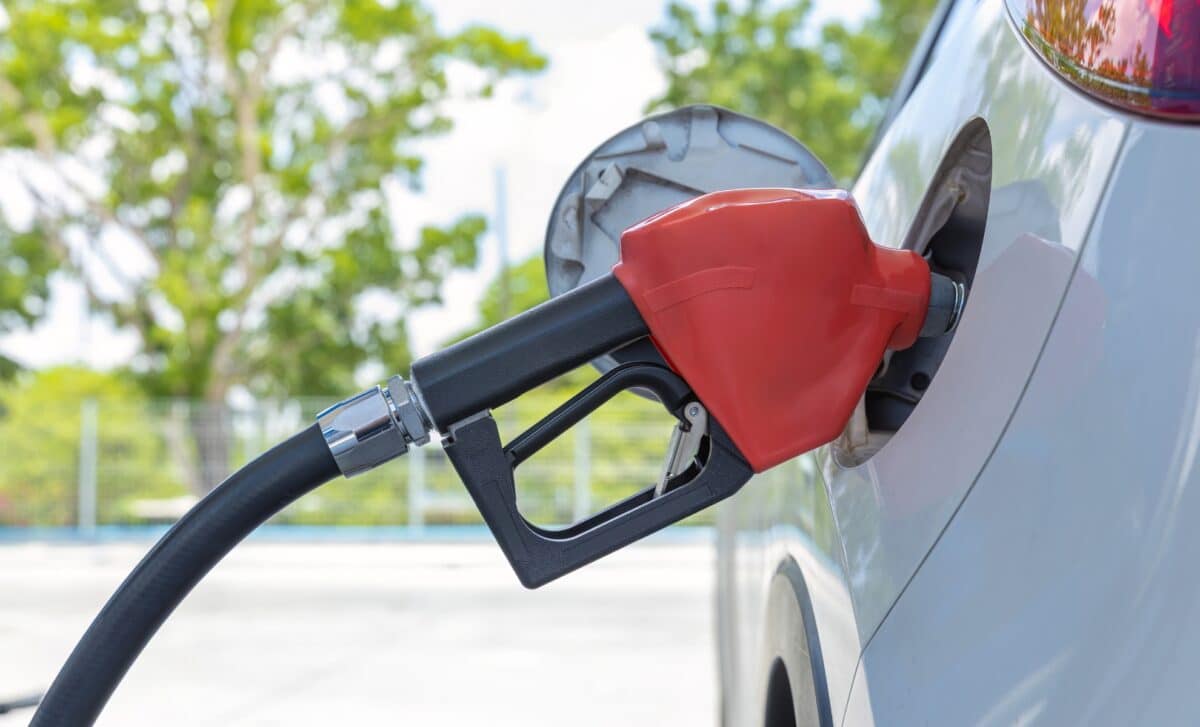
Gas prices are climbing at an alarming rate, and Americans are feeling the consequences. With global oil prices rising due to the ongoing war in Iran, experts are predicting that the average American will pay $857 more for gasoline in 2026. But while consumers are paying more at the pump, retail sales have actually surged, creating an interesting economic paradox.
The Link Between Gas Prices and Retail Sales
As gas prices continue to rise, retail sales have been climbing as well. Retail sales data from March 2026 shows a 1.7% increase, the largest jump since March 2025. However, economists have noted that much of this increase can be attributed to the soaring prices at the gas pump.
Gas station sales saw a massive 15.5% increase in March, according to the U.S. Census Bureau, the biggest spike since the government began tracking gas station receipts in 1992. This increase in spending at gas stations has helped push overall retail sales higher, but it also highlights the strain on consumers.
Even as retail sales climb, many consumers are feeling squeezed by the rising cost of living, especially at the gas station.
The Global Impact of the Iran Conflict
The rise in gas prices is directly tied to the Iran conflict, which has pushed oil prices up by more than 30% in recent weeks. The U.S. Energy Information Administration reports that prices increased by 24% in March alone. This spike is creating significant economic ripple effects, not just in the gas industry but also across various sectors.
For instance, disruptions in the fertilizer supply chain are driving up food prices. The Gulf region is a major supplier of urea and ammonia, two key fertilizers, and any instability there can have a global impact on agriculture.
Additionally, shortages of aluminum, another key resource sourced from the Gulf, could affect everything from consumer electronics to the automotive industry.
Rising Gas Prices Impact Consumer Sentiment
Despite the increase in retail sales, consumer sentiment has taken a hit. In March 2026, consumer sentiment dropped by nearly 6%, marking the lowest level since December 2025. Middle- and higher-income households were particularly affected, with rising gas prices and volatile financial markets making them more anxious about the future.
According to the University of Michigan’s Consumer Sentiment Index, the short-term economic outlook fell 14% in March, and personal finance expectations also declined by 10%. Consumers are increasingly worried about their financial futures, especially as gas prices continue to climb.
The $450 Per Year Gas Price Impact
For every $1 increase in gas prices per gallon, the average driver sees an increase of $450 per year, assuming they drive 12,000 miles annually. This adds significant pressure to household budgets, especially when combined with rising food and energy costs. As a result, many Americans are adjusting their spending habits, reducing discretionary purchases to offset the higher costs at the pump.