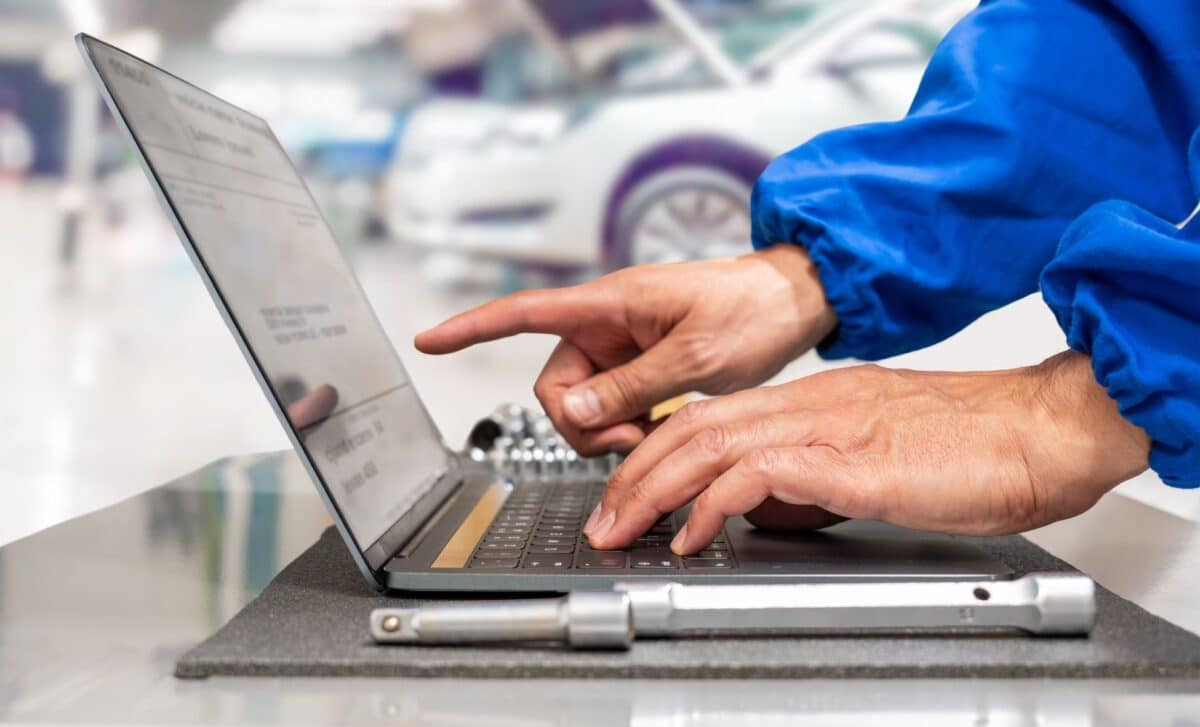
Supporters say the issue is becoming more pressing as electric vehicles and connected technologies reshape the automotive industry. According to Fortune, repair advocates argue that ownership should include greater control over how vehicles are maintained throughout their lifespan.
Modern vehicles increasingly depend on software for diagnostics, maintenance, and repairs, creating new questions about who can access critical systems. At the same time, manufacturers have pointed to competition and cybersecurity concerns as reasons for limiting outside access.
Software Access Has Become Central to the Right-To-Repair Debate
The federal REPAIR Act, first introduced in 2023 and reintroduced in 2025, would require manufacturers to provide vehicle owners and independent repair facilities with the same diagnostic and repair information already available to franchised dealerships. According to Congress.gov, the bill would also direct the Federal Trade Commission to enforce compliance if manufacturers fail to provide the required information and tools.
The broader discussion extends beyond traditional replacement parts. Fortune reported that automakers can currently restrict access to repair data generated by their vehicles, requiring consumers to rely on dealership service centers for certain repairs. Bill Hanvey, president and CEO of the Auto Care Association, said that while repair businesses have historically adapted to new technologies, access to the data needed to service many modern vehicles is increasingly limited because it is transmitted directly to manufacturers.
The Auto Care Association argues that these restrictions affect independent repair businesses nationwide. According to the organization’s 2024 survey, 84% of independent repair shops identified vehicle data access as the leading issue facing their business, while 51% reported sending up to five vehicles each month to dealerships because they could not obtain the necessary repair data. The association also estimated that these limitations cost independent repair shops approximately $3.1 billion annually.
Manufacturers, meanwhile, have cited other considerations. Fortune reported that Louay Abdelkader, director of product management at QNX, said consumer access to vehicle systems must be balanced with protecting both vehicle integrity and cybersecurity, particularly as artificial intelligence becomes more integrated into automotive platforms.
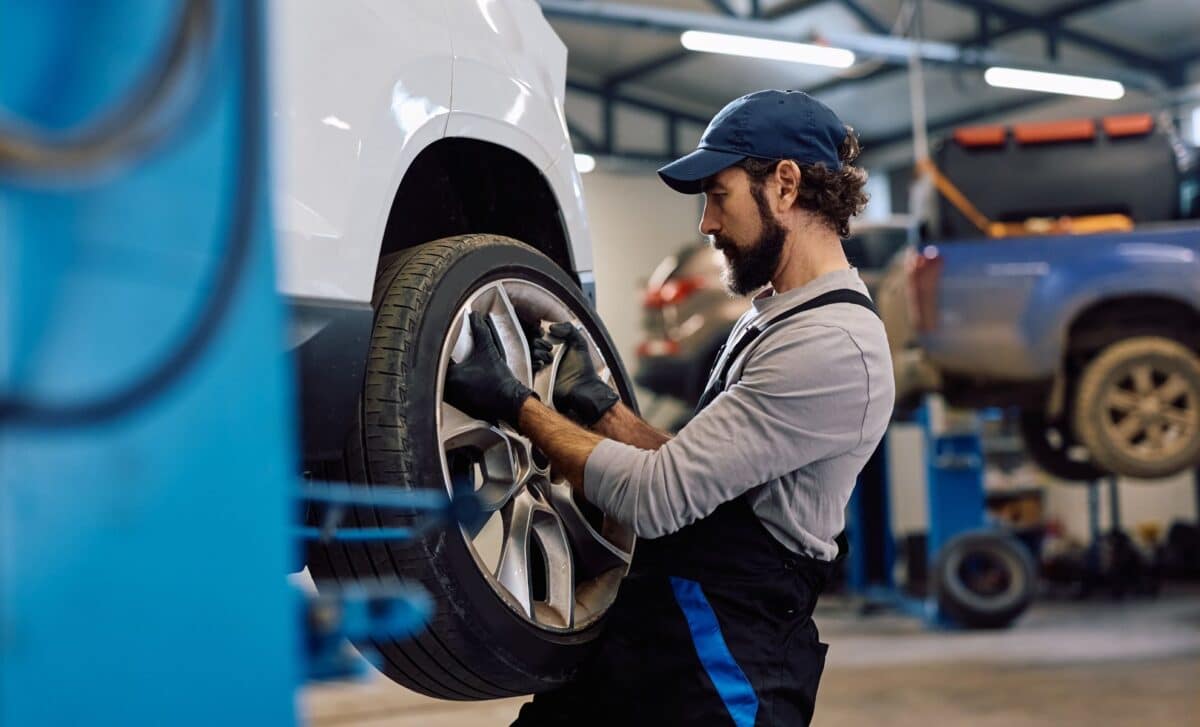
Fisker Owners Built Their Own Repair Network After the Company Collapsed
The bankruptcy of electric vehicle manufacturer Fisker has become a practical example of the challenges surrounding long-term vehicle support. After Fisker filed for Chapter 11 bankruptcy in June 2024, owners formed the Fisker Owners Association to help keep the company’s Ocean SUVs operational.
According to Fortune, the organization coordinated independent experts to reverse-engineer Fisker’s software, negotiated access to operating systems during the bankruptcy proceedings, and organized parts sourcing and maintenance documentation. CEO Cristian Fleming said the group emerged because owners recognized that they needed to act before support disappeared entirely.
The Fisker Owners Association also lists access to replacement components, software updates, maintenance guides, tutorials, and a network of service providers among its accomplishments. The organization says 19 service shops across the United States are currently able to service Fisker vehicles.
Fleming said he believes future discussions about vehicle ownership should also include greater autonomy for owners over the vehicles they purchase. His comments reflect a broader debate that now extends beyond physical repairs to the software, data, and digital systems that increasingly define modern automobiles.