The two issues have emerged as the government advances changes to employment law designed to improve job security and statutory protections. Campaigners argue that people classified as self-employed may still fall outside those reforms, while unions are pressing for stronger safeguards for workers exposed to high temperatures.
Campaigners Call for Action on Bogus Self-Employment
The Fabian Society and the Joseph Rowntree Foundation have urged the government to act against companies using what they describe as widespread “bogus” self-employment. According to their joint report, as many as 4 million people, including hairdressers, personal trainers, delivery workers and drivers for gig economy platforms, work within gaps created by Britain’s employment-status system.
UK law currently distinguishes between employees, workers and the self-employed. Employees receive the widest range of rights, while self-employed people have fewer protections and fewer obligations. A separate “worker”, or “limb (b)”, category sits between the two.
The organisations say some companies use these distinctions to avoid granting rights including parental leave, redundancy pay and protection against unfair dismissal. They want the government’s Fair Work Agency, which began operating in April, to use its civil proceedings powers against companies suspected of abusing self-employed status.
They are also calling for the burden of proof over employment status to move from the individual to the employer. Luke Raikes, deputy general secretary of the Fabian Society, said workers should not have to fight lengthy legal cases simply to establish rights such as minimum wage protection and holiday pay.
The government has said it remains committed to consulting on employment status. A spokesperson said the Fair Work Agency was already helping workers obtain the rights to which they are entitled and that ministers would consider how its civil powers could be used.
Heat-Related Disputes Widen the Workplace Debate
Questions about employment protection are also being raised by increasingly severe summer heat. More than 1,500 Arriva bus drivers in north London began a planned series of 26 strikes running from August to October, with working temperatures central to the dispute.
According to Unite, many buses operated by Arriva North London use air-cooling systems rather than full air conditioning, while some air-conditioning units are not working. The union says drivers’ cabs can reach 40C or more, and workers have reported heat exhaustion, heatstroke and dehydration.
One driver, Peter Crane, recorded a temperature of 44C inside his cab during the industrial action. Arriva has said it has introduced short-term measures to protect drivers and is investing in cab air-conditioning upgrades and newer vehicles.
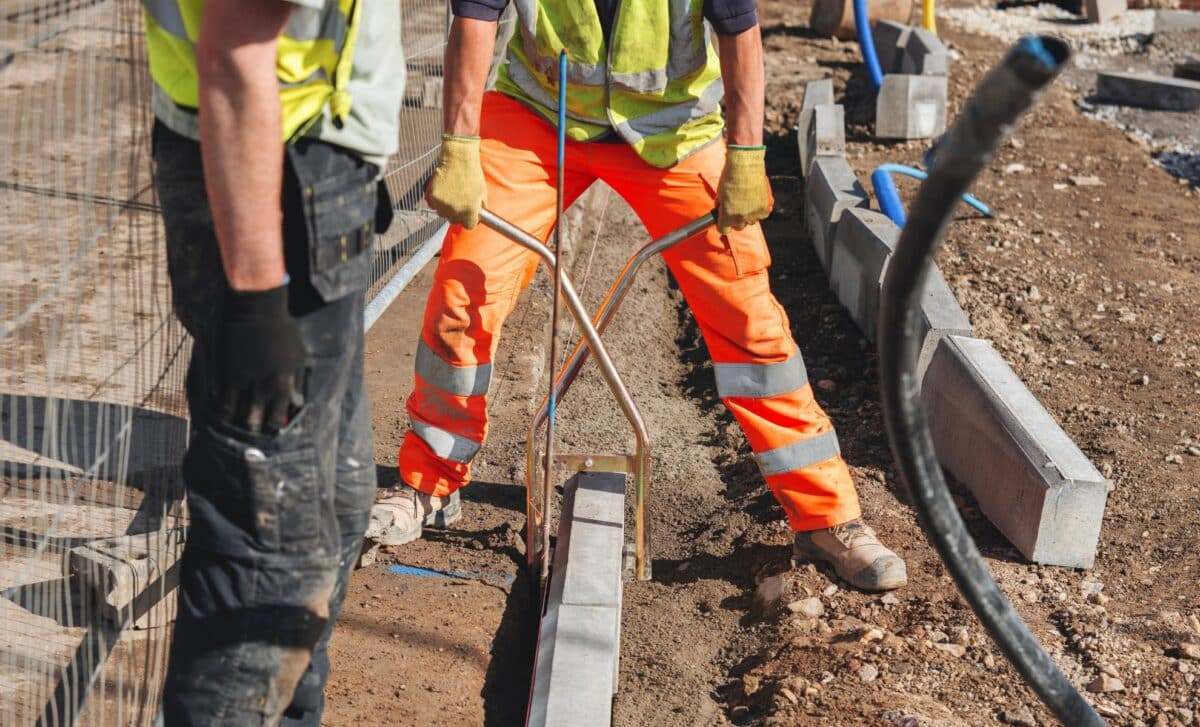
Similar concerns have been reported in other sectors. According to research from the University of Reading cited by The Guardian, 44% of construction workers surveyed had experienced a heat-related illness, while 57% said they had received no compulsory training on dealing with heat.
The UK currently has recommended minimum workplace temperatures but no legal maximum for indoor or outdoor work. The Health and Safety Executive is expected to consult on changes covering workplace heat, although the prime minister’s spokesperson has said the government has no plans to introduce a mandatory maximum temperature. Together, the disputes place employment status and physical working conditions within the same broader debate over how far labour protections should extend as the government reshapes workers’ rights.