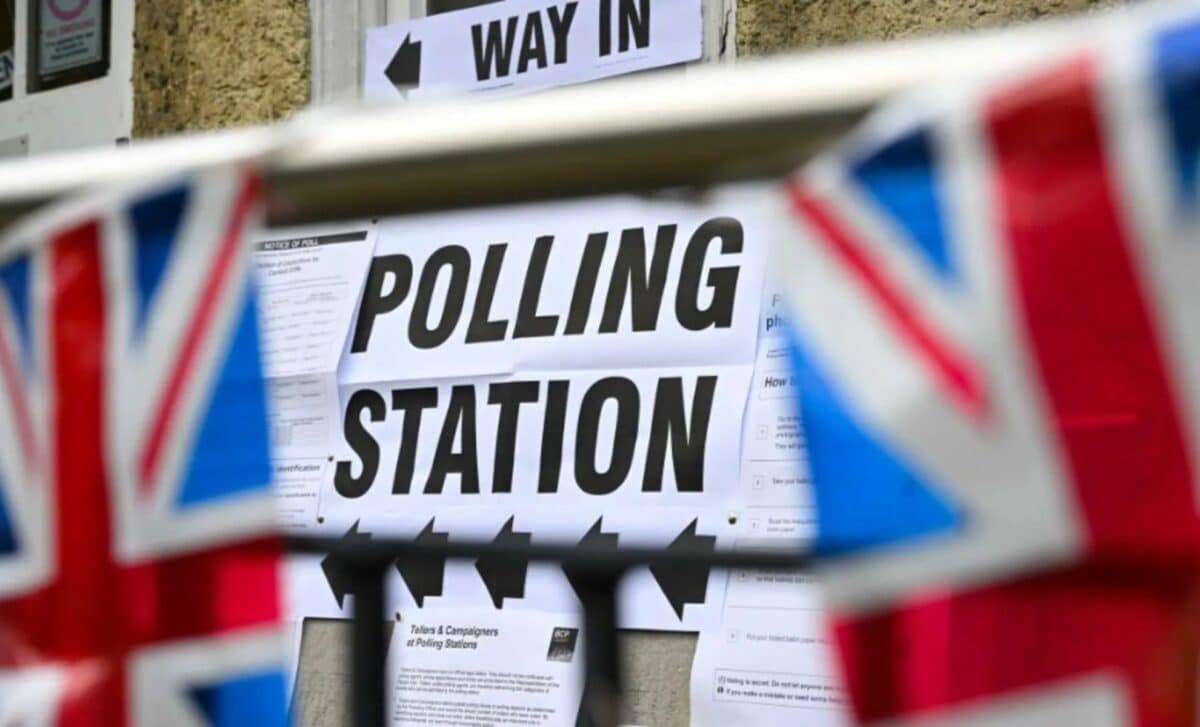
The upcoming local elections on May 1 have brought new voting regulations into focus, as millions of citizens will need to provide valid photo identification at polling stations.
This change, designed to prevent voter fraud, means that without the correct ID, voters will be turned away from polling stations.
This is the first local election since the Labour Party’s victory in the 2024 General Election, and it brings significant changes to the voting process.
Voters across the UK will be choosing council members, mayors, and other local officials, but they must comply with new voter ID requirements to ensure their participation.
The New Voter ID Requirement
In 2023, the UK government introduced legislation that requires voters to present photo identification at polling stations. Previously, a simple signature was enough to confirm identity, but the new rules aim to enhance electoral security and prevent voter fraud. This will be the first major election under these new rules.
Accepted forms of ID include passports, driving licences, blue badges, and various travel cards such as older person’s bus passes. The list is extensive, but there are strict stipulations :
- UK or Northern Ireland photocard driving licence (full or provisional)
Driving licence issued by an EU country, Norway, Iceland, Liechtenstein, the Isle of Man, or any of the Channel Islands - UK passport
- Passport issued by an EU country, Norway, Iceland, Liechtenstein, or a Commonwealth country
- PASS card (National Proof of Age Standards Scheme)
- Blue Badge
- Biometric residence permit (BRP)
- Defence Identity Card (MOD form 90)
- HM Armed Forces Veteran Card (MOD form 100) – only for elections or referendums held on or after 1 May 2025
- National identity card issued by an EU country, Norway, Iceland, or Liechtenstein
- Northern Ireland Electoral Identity Card
- Voter Authority Certificate
- Anonymous Elector’s Document
Additionally, the following travel passes can also be used as photo ID:
- Older person’s bus pass
- Disabled person’s bus pass
- Oyster 60+ card
- Freedom Pass
- Scottish National Entitlement Card (NEC)
- 60 and Over Welsh Concessionary Travel Card
- Disabled Person’s Welsh Concessionary Travel Card
- Northern Ireland concessionary travel pass
According to official guidance, the ID must be the original version—not a copy or digital image. Furthermore, the photo must clearly resemble the voter, even if the ID has expired.
Voters must also ensure that the name on their ID matches the one on the electoral register. If the names do not match, voters will be required to either re-register with their new details or bring additional documentation, such as a marriage certificate, to prove a name change.
What Happens if You Don’t Have ID?
While many people will have access to the necessary forms of ID, some may not. In such cases, voters were able to apply for a Voter Authority Certificate, a special form of identification introduced to help those who do not possess standard photo ID.
However, applications for this certificate closed before the May elections, leaving those who missed the deadline unable to vote in person.
It’s crucial that voters ensure they have one of the acceptable forms of ID before heading to the polling station, as the deadline for applying for alternative identification has passed.
Proxy, postal, and overseas voters also faced similar deadlines, and those who missed them will be excluded from these forms of voting.