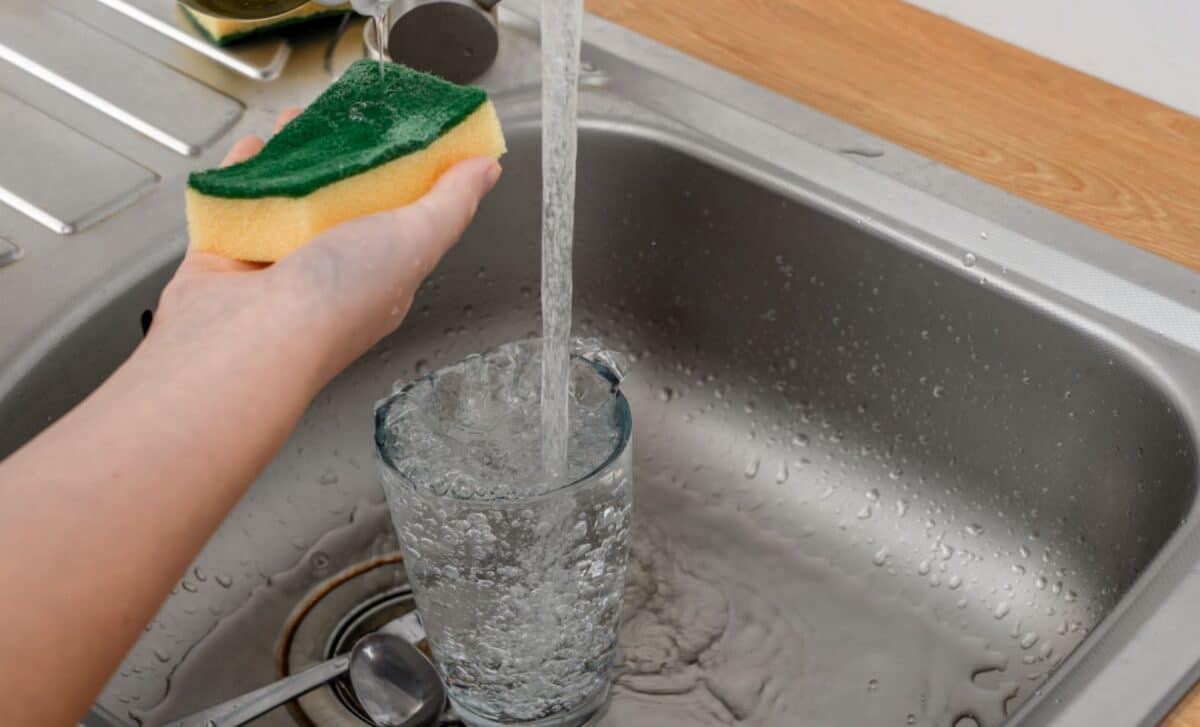
Water bills across the UK have increased this month, with some households facing rises of up to 13%. At the same time, millions of pounds in financial support remain unclaimed, despite schemes offering significant reductions for eligible customers. The changes come as water companies seek to fund major infrastructure upgrades, while consumer groups stress the importance of ensuring that vulnerable households access the help available to them.
The average annual water bill has now reached £639, following what is described as another above-inflation increase. According to Water UK, the latest rise amounts to around £33 per year, or roughly £2.70 per month, for a typical household. According to David Henderson, chief executive of Water UK, the increase is intended to support long-term investment in water systems, including efforts to secure supply and reduce sewage discharges into rivers and seas.
Support Schemes Vary Widely across Regions and Providers
Most water companies in the UK operate so-called social tariffs, which are designed to reduce bills for households on low incomes or receiving certain benefits. These schemes differ significantly depending on the provider, with eligibility criteria based on income thresholds, benefit status, or the proportion of income spent on water.
Some of the most substantial reductions are available through schemes such as Southern Water’s Essentials Tariff and Wessex Water’s Assist programme, where discounts can reach up to 90% in certain cases.
Other providers offer structured reductions. For example, Cambridge Water’s Assure scheme provides a 60% discount in the first year and 40% in the second, while South Staffordshire Water applies a similar stepped approach over three years. In Wales, Dŵr Cymru caps bills at £319.03 annually for eligible households, according to the published figures.
Eligibility thresholds also vary. Affinity Water’s Lift scheme applies to households earning below £19,995, while Essex and Suffolk Water’s SupportPLUS extends to those earning up to £26,000. In some cases, additional conditions apply, such as having a water meter or demonstrating that water costs exceed a set percentage of household income.
Hundreds of Millions in Aid Remains Unclaimed
Despite the breadth of support available, a significant portion of eligible households are not accessing these discounts. According to Policy in Practice, £745 million in water bill support went unclaimed in 2024.
This gap is particularly relevant as bills continue to rise above inflation. The latest increase is reported to be around 2% higher than inflation, adding further pressure on low-income households already facing broader cost-of-living challenges.
Some schemes are specifically targeted at those in financial difficulty. For instance, Thames Water’s WaterHelp programme offers a 50% discount for households spending more than 5% of their income on water bills. Similarly, South East Water provides a 50% reduction for households earning below £17,000, with a 30% reduction available up to £21,000.
Other programmes, such as United Utilities’ Back on Track scheme, cap annual bills based on individual circumstances, particularly for customers affected by recent life events.
The range and complexity of these schemes mean that awareness remains a key issue. According to the reported figures, many households that meet eligibility criteria may not realise they qualify, leaving substantial financial support unused at a time when bills are rising.