

Millions of unpaid carers and parents of seriously ill children in the UK could soon benefit from new workplace rights, including paid leave and a guaranteed right to return to work, as the government launches a consultation to improve support for those balancing jobs and care responsibilities.
Proposed Paid Leave and Workplace Flexibility
One of the key proposals under consultation is known as Hugh’s Law, named after Hugh Menai-Davis, who died at six from cancer. The charity It’s Never You has campaigned for paid leave and financial support for parents caring for seriously ill children.
The measures being explored include introducing paid carer’s leave for the first time, a right to return to work after intensive caregiving similar to maternity leave protections, and new guidance to help employers better support employees with caring responsibilities.
Minister for Employment Rights, Kate Dearden, explained: “Whether you’re caring for an elderly parent, a partner with a long-term illness, or a child fighting a serious disease, you shouldn’t have to choose between your job and those you love… These proposed reforms are about making sure the world of work reflects the reality of people’s lives,” reports GOV.UK.
Support from Advocacy Groups and Employers
Carers UK welcomed the consultation. Chief Executive Helen Walker said: “We strongly encourage carers and employers to respond to this consultation and look forward to working with the Government to help deliver meaningful change for carers.”
Nicola Bannister, CEO of TSB, highlighted the benefits of paid carers’ leave in practice. At TSB, employees can access 70 hours of paid leave annually, enabling them to manage work alongside their caregiving duties. She called on other businesses to adopt similar measures to support their staff.
Economic and Social Impacts
Improved support for carers could allow thousands to return to work, reducing absenteeism and staff turnover. Financially, it helps households dependent on informal care to remain secure while maintaining essential services for those who rely on them.
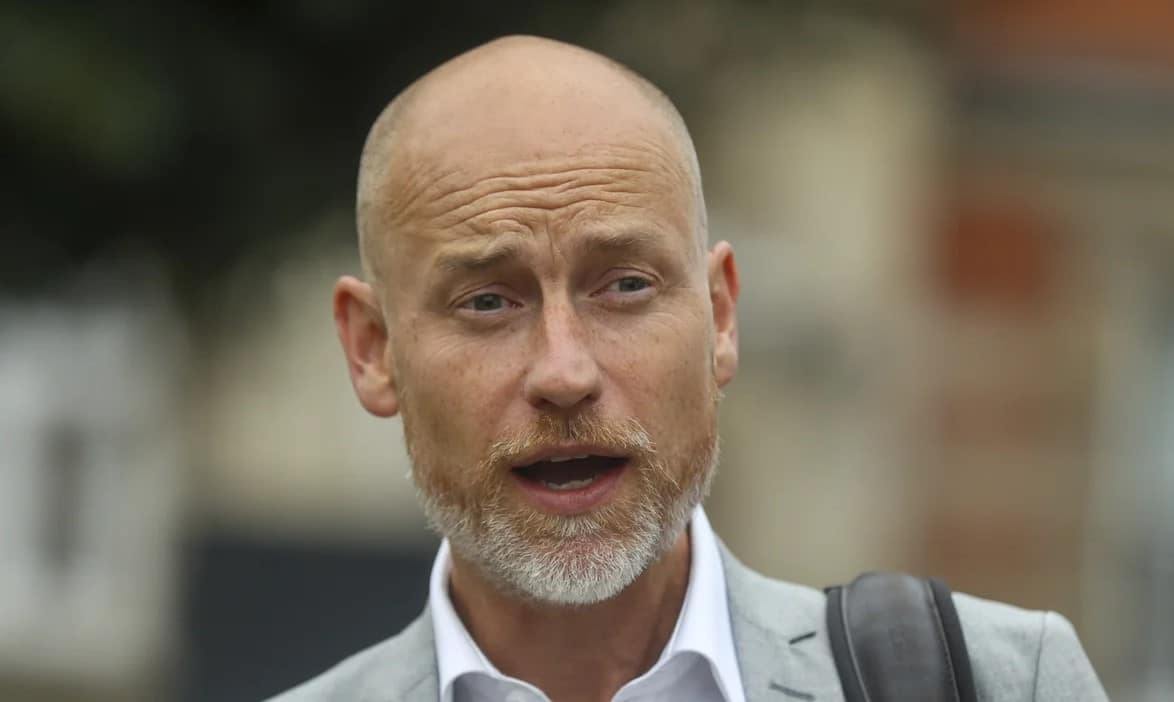
Minister of State for Care Stephen Kinnock emphasized the importance of unpaid carers: “They often put the needs of others before their own and we owe them a debt of gratitude for all they do… That is why we must make sure unpaid carers are not left behind or forgotten and our reforms will help provide the support careers need, while making sure they are not compromising their work or careers.”
The government encourages carers, parents, and employers to respond to the consultation, which closes on 1 September 2026. Feedback will be used to shape a framework that makes it easier for carers and parents of seriously ill children to remain in employment while continuing to provide critical care.