Motorists across the United Kingdom are being issued an average of almost 48,000 parking tickets every day by private companies. The scale of enforcement, revealed through recent data analysis, has raised fresh concerns about how the system operates and whether current safeguards are sufficient.
The figures point to a sharp increase in ticketing activity over a relatively short period. They also come at a time when drivers are already dealing with higher fuel costs, adding further pressure to household budgets and prompting renewed calls for regulatory reform.
Sharp Rise in Ticket Numbers and Financial Impact
Between April and December last year, private parking firms issued 13.1 million tickets, marking a 19 per cent increase compared with 11 million during the same period a year earlier. According to Press Association analysis of Government data, this equates to an average of 47,749 tickets per day.
Each ticket can carry a charge of up to £100, meaning the combined daily cost to motorists could approach £4.8 million. According to the RAC Foundation, the scale of these figures raises questions about whether the system is functioning as intended.
Steve Gooding, director of the RAC Foundation, suggested the volume of penalties is difficult to explain solely through deliberate rule-breaking. He noted that while some drivers may ignore parking regulations, the sheer number of fines indicates that “something is awry with the system”.
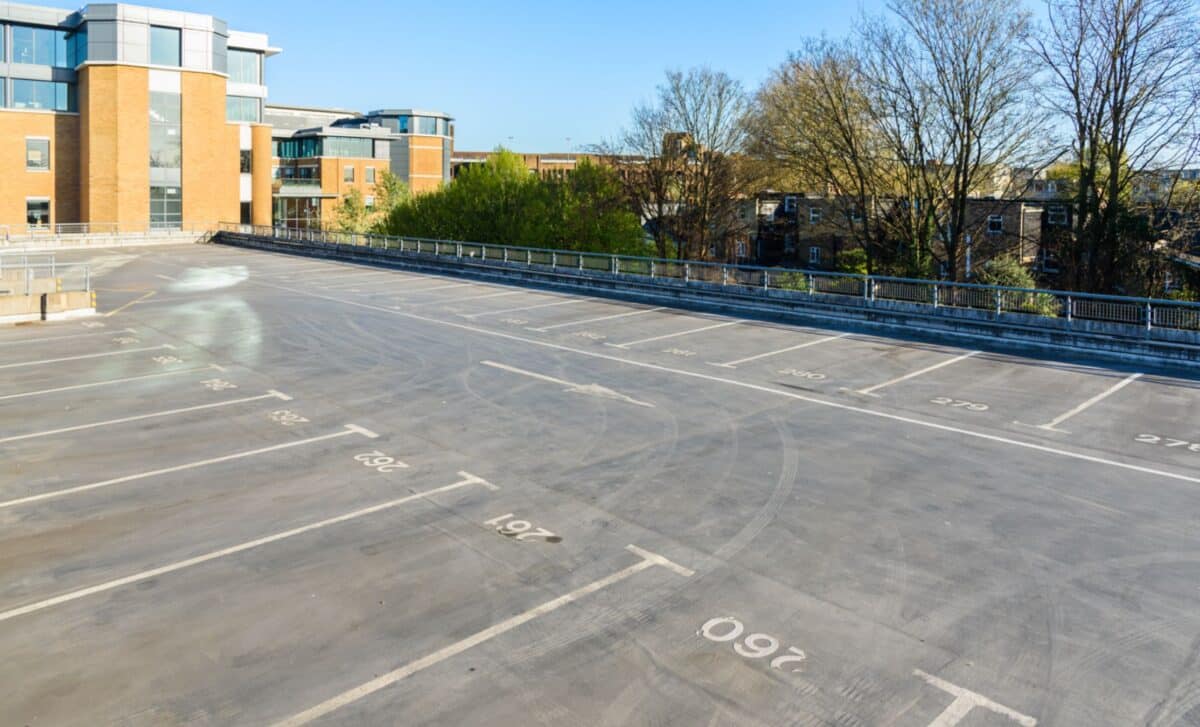
The data is based on records obtained from the Driver and Vehicle Licensing Agency (DVLA), which are accessed by private firms when pursuing vehicle owners for alleged infringements. These typically occur in privately operated car parks such as those at shopping centres, leisure facilities and motorway service areas.
According to DVLA figures, 195 parking management companies requested vehicle keeper details in the final quarter of the year, with ParkingEye identified as the most active operator, purchasing 619,000 records.
Ongoing Concerns over Fairness and Delayed Reforms
Criticism of the private parking sector has focused on issues such as unclear signage, the operation of payment machines, and the use of debt recovery practices. Many drivers have disputed fines, arguing they were issued under confusing or misleading conditions.
Efforts to introduce tighter regulation have been underway for several years but have faced delays. A Bill passed in March 2019 aimed to establish a new code of practice, including a cap of £50 for most fines, a fairer appeals process, and restrictions on aggressive language in enforcement notices.
However, according to Government updates, the proposed code was withdrawn in June 2022 following a legal challenge from parking companies. A further consultation under the current administration concluded in September 2025, with ministers indicating that revised measures are expected to be introduced.
A spokesperson for the Ministry of Housing, Communities and Local Government said motorists must be protected and confirmed plans to bring a code of practice before Parliament. According to the department, the aim is to improve standards and address ongoing concerns within the industry.
Industry representatives maintain that parking enforcement remains necessary. The British Parking Association has stated that most motorists comply with the rules and that effective management is essential to ensure access to key locations such as hospitals and transport hubs.