

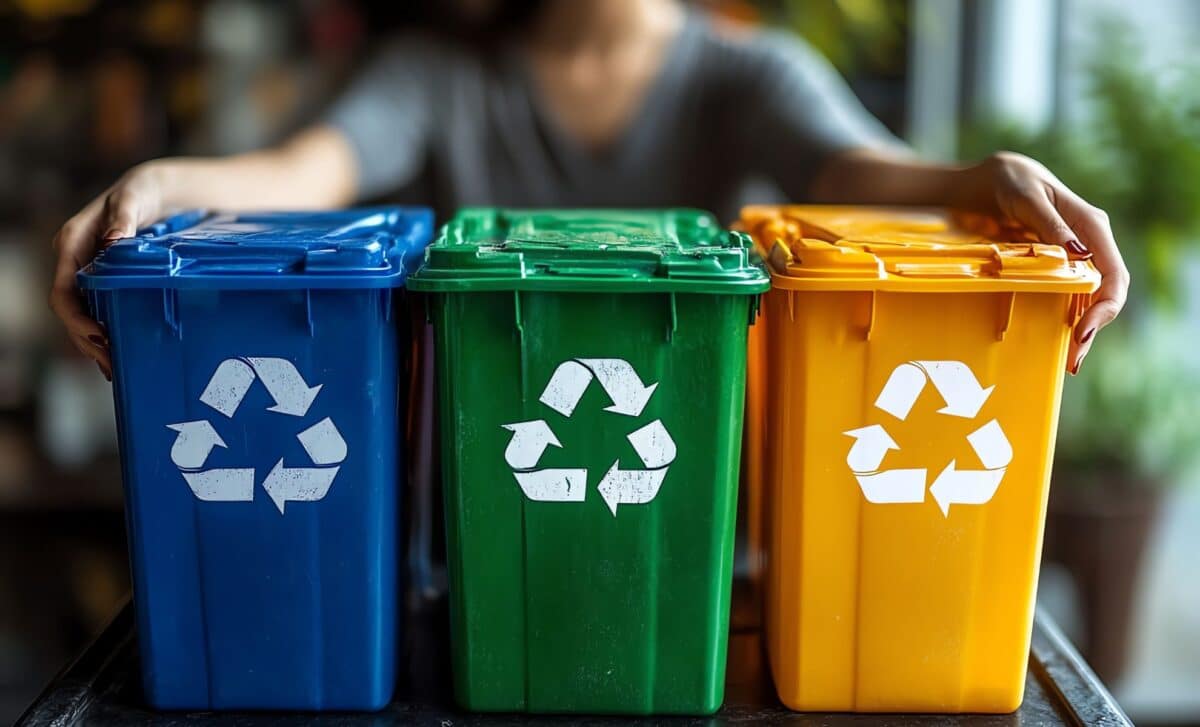
The initiative, known as the Simpler Recycling plan, comes as part of the UK government’s ongoing efforts to reduce the environmental impact of waste and encourage greater participation in recycling. Despite concerns from local authorities about the practicalities of implementation, Defra insists that the changes will lead to clearer, more efficient waste management systems, making it easier for residents to contribute to the country’s sustainability goals.
A Standardised Recycling System for All Households
Under the new plan, by 2026, all households in England will be required to use at least four different bins or containers for recycling: one for non-recyclable residual waste, one for food waste (which may also include garden waste), one for paper and card, and one for other dry recyclables such as plastic, glass, and metal. This approach is designed to streamline the recycling process, ending the current “postcode lottery” where local councils often have different rules regarding what can and cannot be recycled.
According to Defra, the move is intended to simplify the recycling process for residents and eliminate the confusion caused by varying local policies. The initiative also aims to ensure that the core recyclable materials, such as paper, plastic, and food waste, are consistently collected across the country, improving recycling rates and making it easier for households to comply with the new system. The government has also pledged that food waste will be collected at least once a week, addressing concerns about bad-smelling refuse and increasing participation in food waste recycling.
Mary Creagh, Parliamentary Under-Secretary for Defra, explained that local authorities will play a key role in communicating these changes to residents. To support councils in this transition, the government has allocated £79.5 million in transitional funding, including specific resources for public information campaigns. This funding is designed to help councils implement the changes while providing clear instructions for households about what to recycle and how to use the new containers.
The Challenges of Implementation and Local Concerns
While the Simpler Recycling plan promises to make recycling more consistent and efficient, local authorities have raised concerns about the potential environmental costs associated with the changes. For instance, the government’s proposal to collect non-hazardous industrial waste every fortnight has been met with scepticism, with fears that the increased frequency of collections could lead to higher transportation costs and more fuel consumption. Local authorities have warned that the additional logistics and transportation required for these changes may result in unintended environmental impacts, potentially offsetting some of the benefits of more frequent recycling collections.
Despite these concerns, Defra remains committed to the plan, arguing that the standardisation of recycling practices will ultimately benefit the environment by increasing recycling rates and reducing the amount of waste sent to landfill. The government’s vision is to create a streamlined, unified recycling system that not only boosts sustainability but also educates residents about the importance of responsible waste management.
In a timeline set out by Defra, businesses will be required to arrange for the collection of core recyclable materials by March 2025, with all households following suit by March 2026. Micro-businesses with fewer than 10 full-time employees will have until March 2027 to meet the new recycling requirements, while additional collections for plastic films are set to be introduced by 2027.
The Simpler Recycling plan represents a bold step in the UK’s commitment to sustainability. However, its success will depend on the collaboration between local authorities, businesses, and households, as well as on the government’s ability to address the logistical challenges of implementing such sweeping reforms.







another rip-off by recycling companies. we the public will eventually be charged for all this nonsense, councils will be upping the council tax for sure, refuse collectors will be striking as its more work for them. fly tipping will increase for sure.
Toss this idea in the government bins!
please leave us with some pension money.