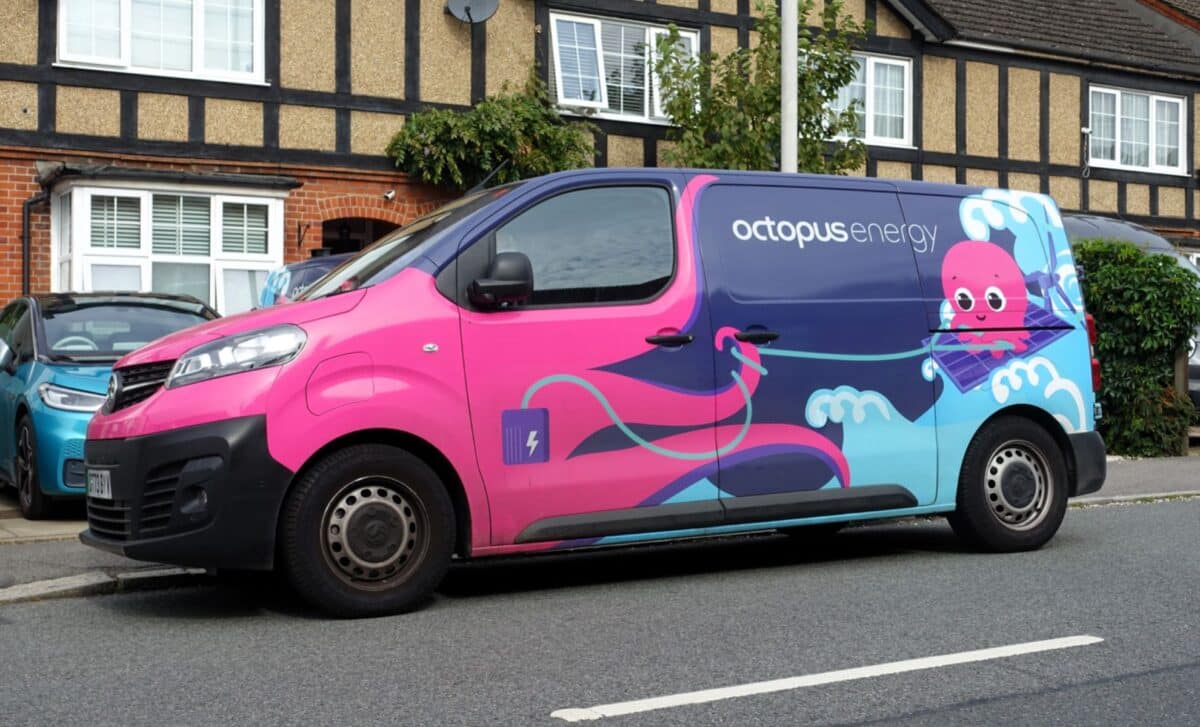
Octopus Energy and Prosperity Group have announced a large-scale housing development where residents will not pay for home energy for at least ten years. The project, based in Wisbech, is described as the largest of its kind to date. The initiative forms part of a wider shift in the UK housing and energy sectors, where new builds are increasingly integrating low-carbon technologies. The scheme also reflects growing demand for energy independence amid fluctuating prices.
A Large-Scale Rollout of Zero-Bill Homes
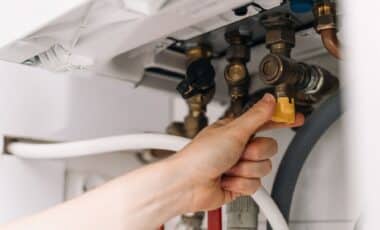
The development will include 300 homes equipped with integrated energy systems such as heat pumps, solar panels, and battery storage. According to Octopus Energy, these technologies enable properties to operate without standard household energy bills for a guaranteed period of five to ten years.
The first homes are expected to be completed in 2028, with residents moving in later that year. The companies involved state that this will be the largest “Zero Bills” site delivered so far, expanding on a programme launched in 2022.
According to information released by Octopus Energy, more than 6,000 homes have already been approved under the Zero Bills model across different housing types, including private and affordable housing. The company has set a target of delivering 100,000 such homes by 2030.
Nigel Banks, Zero Bills Director at Octopus Energy, said the initiative responds to ongoing concerns about energy costs. He noted that households are seeking protection from price volatility and that the model demonstrates how integrated technology can remove routine energy expenses.
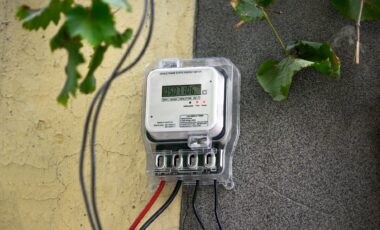
The scheme operates under a specific tariff structure, which guarantees zero energy bills for domestic use, though electric vehicle charging is excluded and billed separately under a different rate.
Policy Context and Rising Demand for Energy Technologies
The announcement follows the introduction of the UK’s Future Homes Standard, which will require new properties to include low-carbon technologies such as heat pumps and solar panels. According to the companies involved, this regulatory shift is accelerating the adoption of energy-efficient housing designs.
Data cited by Octopus Energy indicates a marked increase in consumer interest in these technologies. Heat pump sales have risen by 103%, while solar panel installations are up by 78%. Enquiries related to electric vehicle chargers have also increased by 42%, reflecting broader changes in household energy use.
Prosperity Group, the development partner on the project, stated that integrating such systems at the construction stage supports both compliance with future regulations and long-term property value. Chairman Joe Billingham said that meeting evolving energy performance standards is becoming a central consideration in residential development.
According to statements from the company, the approach also aligns with investor expectations around sustainability and efficiency. The inclusion of built-in energy systems is presented as a way to “future-proof” housing assets from the outset.
Octopus Energy has already expanded the Zero Bills model beyond the UK, with similar initiatives launched in Germany, France, and New Zealand. The company reports that its broader operations now span multiple countries and include both energy supply and technology platforms.
This latest development illustrates how energy provision and housing design are becoming more closely linked, with infrastructure embedded directly into new homes rather than added later.