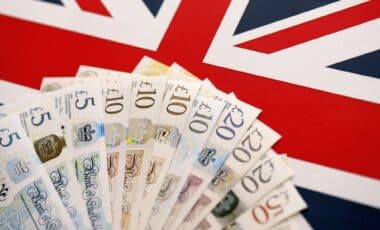
UK households can now sell personal possessions up to £6,000 without paying tax, following new HMRC guidance. The update comes amid confusion surrounding digital platform reporting requirements introduced in January 2024.
HMRC has responded to growing public concern about new data-sharing rules for platforms like eBay, Airbnb and Just Eat, after a taxpayer raised questions about the implications of entering their National Insurance number online. The response revealed a lesser-known exemption, allowing personal item sales under £6,000 to remain untaxed.
The change does not constitute a new tax or threshold, but a clarification of existing rules now being more closely enforced. According to HMRC, the move to collect seller data is linked to updated international transparency obligations, not new domestic tax measures. Still, many casual sellers online have been left uncertain about the implications for their income and self-assessment duties.
Updated Data-Sharing Rules Fuel Online Confusion
From 1 January 2024, digital platforms are legally required to report the income and personal details of users who meet certain criteria to HM Revenue & Customs. This includes individuals who sell at least 30 items or earn the equivalent of €2,000 (roughly £1,700) over the course of a year on online marketplaces.
The change aligns with the OECD’s Model Reporting Rules for digital platforms, adopted by the UK government as part of international tax cooperation efforts. While these reporting obligations are new, HMRC emphasised they do not introduce new tax liabilities.
“As has always been the case, some people who are trading through websites or selling services online may need to be paying tax and registering for Self Assessment.” Angela MacDonald, HMRC’s Deputy CEO, said in a statement posted on X (formerly Twitter). “We cannot be clearer – if you are not trading and just occasionally sell unwanted items online – there is no tax due.”
Questions began circulating on social media after a taxpayer queried whether linking their National Insurance number to eBay would affect their tax bracket. In response, HMRC confirmed that personal goods sold for under £6,000 are not subject to Capital Gains Tax, providing clarity to those concerned about overlapping income thresholds.
£6,000 Capital Gains Limit Reaffirms Protection for Casual Sellers
Under current UK tax rules, individuals do not pay Capital Gains Tax (CGT) when selling personal possessions for under £6,000 – a figure that includes items such as old clothes, books, electronics or furniture. This threshold remains unchanged but has now been reinforced in the context of digital transactions.
Previously, confusion existed around the mention of a £1,700 allowance on digital platforms. This figure refers to the reporting threshold under the OECD guidance, not a taxable income limit. As a result, sellers who remain under the £6,000 CGT exemption are not required to pay tax, even if platforms still collect their data.
HMRC recommends that those unsure about whether their online activity counts as trading use the online tool available at GOV.UK. The tool assesses whether a seller’s activity meets the criteria for self-employment or remains within the bounds of casual selling.