

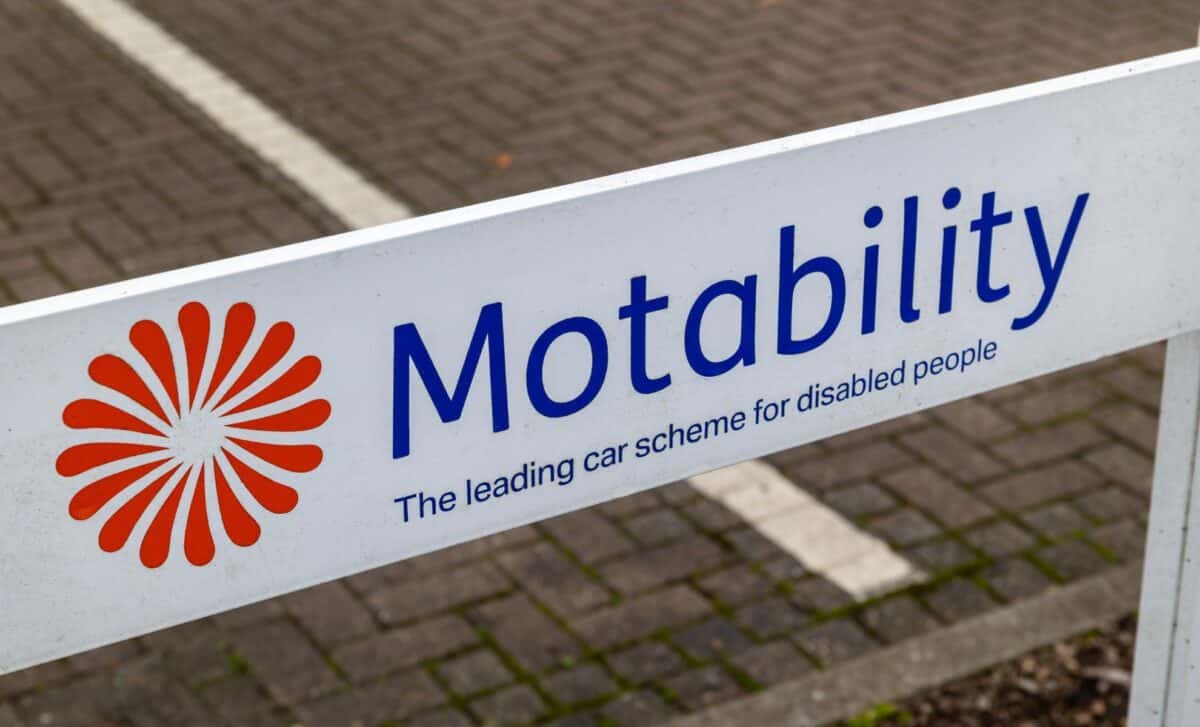
The proposal was outlined on 10 November 2026, when shadow work and pensions secretary Helen Whately joined Conservative leader Kemi Badenoch at a press conference. The announcement placed the Motability Scheme, which provides vehicle leasing opportunities for people receiving certain disability benefits, at the centre of the party’s plans to reshape welfare spending.
Conservatives Target Motability Tax Exemptions in £1bn Savings Proposal
According to BirminghamLive, a Conservative Party document reveals plans to remove VAT exemptions associated with the Motability Scheme. The party estimates that the change would save £1 billion.
The scheme is operated by Motability Operations and allows eligible recipients of Personal Independence Payment (PIP) and Disability Living Allowance (DLA) to lease vehicles. The proposed tax change forms part of the Conservatives’ wider approach to reducing welfare expenditure.
During the press conference, Whately criticised what she described as the misuse of disability support, referring specifically to social media posts involving Motability vehicles.
“People are making a mockery of the system, bragging about their free Motability cars, flaunting their new keys on TikTok,” she said.
Whately also claimed that the consequences extended beyond individual benefit claims, linking welfare expenditure to the wider tax burden.
“They think it’s a victimless crime. It isn’t. Eighteen million households will each pay £50,000 in taxes for working age welfare,” she said.
She accused Labour of making benefits “more generous and easier to claim”, while outlining further Conservative proposals to restrict access to sickness-related financial support. Whately said the party intended to tighten eligibility so that people could no longer claim sickness benefits for “mild mental health and routine back and joint pain”.
Wider Welfare Proposals Prompt Warnings Over Child Poverty
The Motability proposal was announced alongside a broader Conservative programme targeting £36 billion in benefits and disability spending reductions. Badenoch presented the measures as part of the party’s approach to welfare reform.
The announcement also included proposals concerning the child benefit cap, attracting criticism from organisations working to reduce poverty.
According to BirminghamLive, Sara Ogilvie, policy director at the Child Poverty Action Group, warned that the Conservative proposals risked increasing hardship among families.
“These proposals would take the UK back to the dark ages, causing the biggest overnight increase in child poverty since records began,” Ogilvie said.
She urged politicians to prioritise measures aimed at reducing child poverty rather than pursuing policies that could leave younger generations facing greater financial difficulties. Badenoch rejected the suggestion that her party’s approach overlooked the consequences for families. She argued that politicians needed to balance warnings from campaign groups against their own experiences of conditions in constituencies.
“Of course, we don’t want to see child poverty, but the best way to stop child poverty is to make sure their parents have well paying jobs. That is our plan,” she said.
The competing responses highlight the disagreement surrounding the Conservatives’ proposed welfare reductions, with the £1 billion Motability tax measure forming one element of the wider £36 billion package.