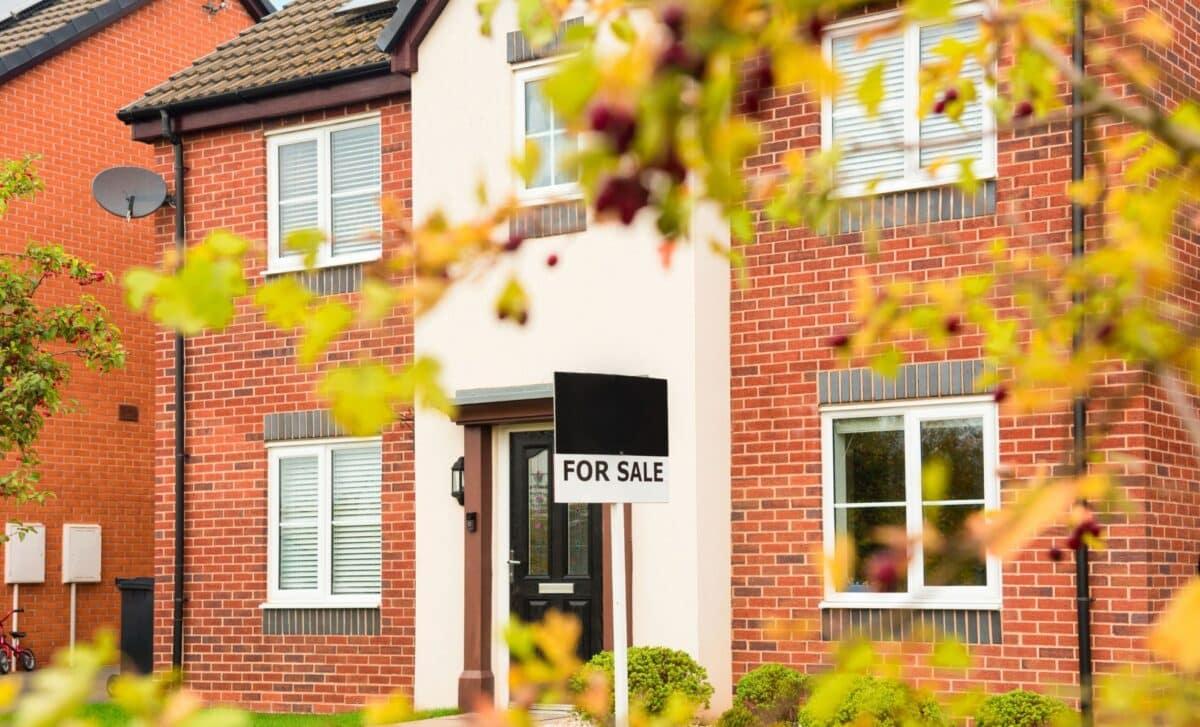
The slowdown is affecting different parts of the market in different ways. Buyers face higher borrowing costs, sellers of flats are waiting longer for offers, and some owners of high-value properties are accepting prices below what they paid a decade ago. Together, the figures point to a market where activity is being constrained by affordability, financing conditions and regional differences.
Higher Mortgage Costs Are Limiting Demand
House prices were flat in July after rising 0.2% in June, while annual growth slowed to 0.1%, its weakest rate since November 2023. According to Lloyds data reported by the Times of India, the average UK property price stood at £299,253, £143 lower than a month earlier.
Amanda Bryden, head of mortgages at Lloyds, said affordability remained a challenge for would-be buyers. She said mortgage rates had edged higher again following developments in the Middle East, after easing earlier in the summer, and that housing activity was responding quickly to changes in borrowing costs.
The Guardian reported that the average rate on a two-year fixed residential mortgage was 5.63% on Friday, while the average five-year rate was 5.67%. Both had been below 5% at the start of the year. Regional differences remain marked. Northern Ireland recorded annual house-price growth of 7.4%, while Scotland rose 3.6% and Wales 1.6%. Prices increased by 2.8% in the north-east and 2.1% in the north-west.
By contrast, prices fell 2% in the south-east and 1.3% in Greater London. Nicholas Finn of Garrington Property Finders said southern areas had more homes available than buyers, while supply and demand were more balanced in northern England.
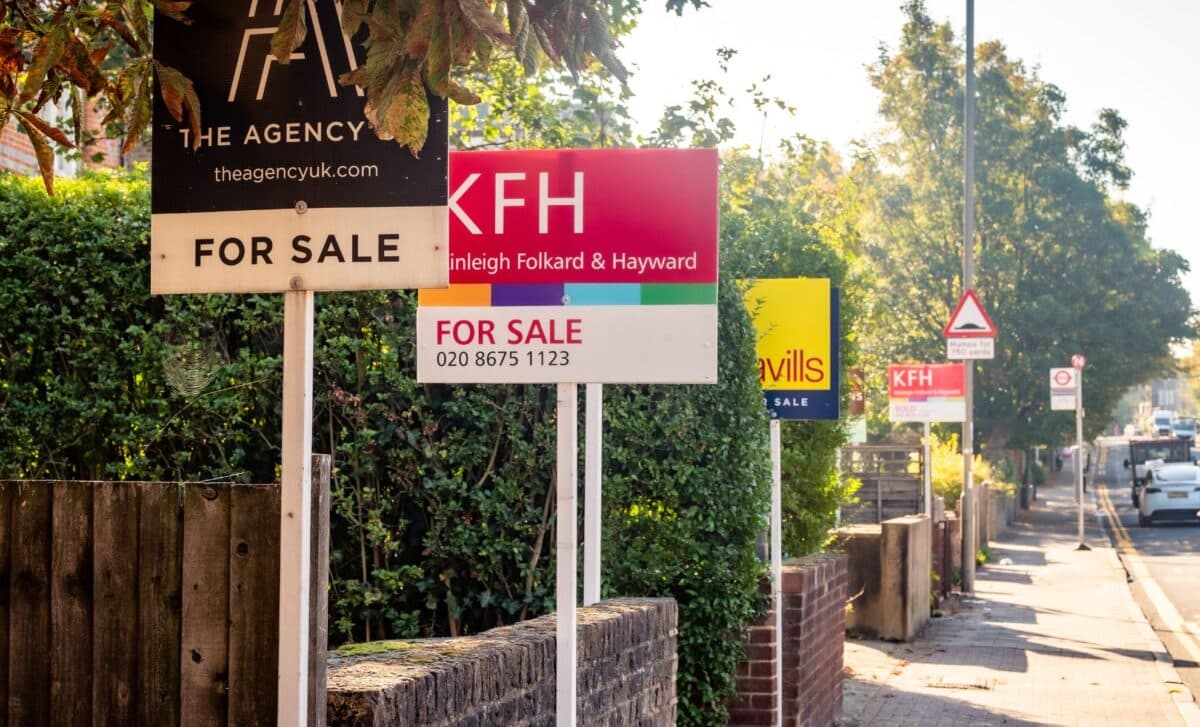
The problem is particularly visible in the flats market. According to Zoopla figures cited by The Guardian, the majority of leasehold flats listed for sale across most of England in 2025 had not sold within six months. London had the highest share still unsold, at about 87%, followed by the south-east at 85% and the east of England at 84%.
Flats and Expensive Homes Face Separate Pressures
Flats have significantly underperformed houses over the past decade. Zoopla said the average UK house price had risen 43% since 2016, compared with 10% for flats. Uncertainty surrounding leasehold ownership is one factor. Buyers also face service charges, ground rents, lease-extension costs and, in some cases, restrictions imposed by mortgage lenders. Zoopla executive director Richard Donnell said another problem was the gap between what sellers wanted and what first-time buyers could afford.
In London, investor-owned flats were being marketed at about £450,000, compared with a typical first-time buyer budget of £425,000. At the upper end of the market, expensive homes have also lost ground. According to Savills figures reported by The Telegraph, property prices in London’s most expensive postcodes have fallen 26% since 2014.
The Telegraph also reported Connells Group analysis showing that 32% of homes in England and Wales originally bought for at least £1m were now worth less than their owners had paid.
The weakness has been especially visible in London, where higher-value properties have been exposed to changes in stamp duty, political uncertainty and changes affecting wealthy international buyers. For some long-term owners, that has meant accepting substantial losses.
One South Kensington flat sold for £4.2m this year, £1.3m below its purchase price a decade earlier, despite about £500,000 having been spent on renovations. Another Chelsea house sold for £6m, £500,000 less than its 2012 purchase price. Across Britain, the market is not moving uniformly. Some regions are still recording price growth, but higher mortgage rates, weak affordability and problems specific to flats and prime property are leaving important parts of the housing market under sustained pressure.