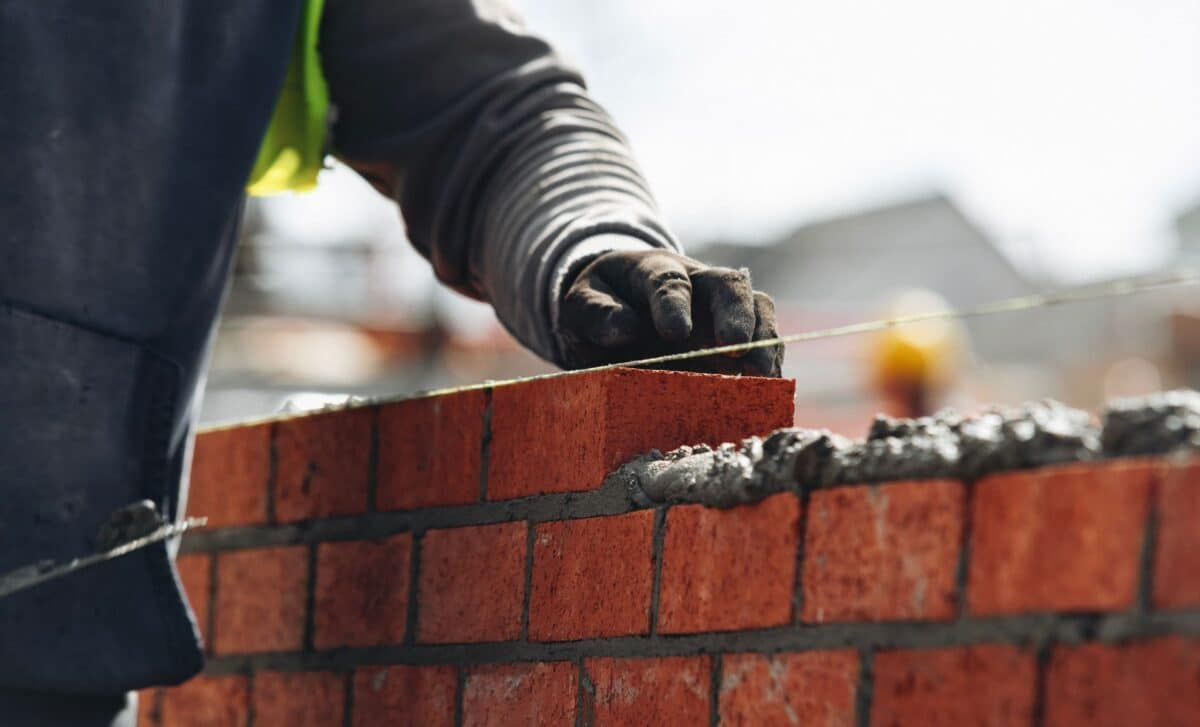
The proposed change would have applied to developments containing between 10 and 49 homes. Ministers had argued that greater flexibility could help smaller builders bring sites forward, but housing organisations warned that removing on-site requirements could reduce the supply of affordable homes, particularly in rural communities where medium-sized developments account for a substantial share of delivery.
Consultation Opposition Prompts Government Reversal
According to the government’s consultation response, 910 respondents answered the question on whether applicants should be allowed discretion to meet social and affordable housing requirements through cash payments rather than on-site provision. Of those respondents, 41% strongly disagreed with the proposal, while 18% strongly agreed. A further 11% partly disagreed and 12% partly agreed.
The government said there had been “significant opposition across stakeholder groups”. Respondents raised concerns that cash contributions, commonly known as commuted sums, could become a routine alternative to providing affordable homes within developments. They also warned that such payments could reduce mixed communities and move affordable housing away from places where it was needed.
Some respondents supported the proposal because they believed cash payments could help unlock sites facing viability problems and make it easier for small and medium-sized housebuilders to proceed. The consultation also recorded concerns that SME developers can struggle to find registered housing providers willing to acquire small numbers of affordable homes delivered through Section 106 agreements.
According to the government response, ministers ultimately decided not to proceed because the change could have a detrimental effect on their commitment to increasing social and affordable housebuilding. The government will instead develop further guidance covering the use and calculation of commuted sums.
Rural Affordable Housing Remains Central to the Debate
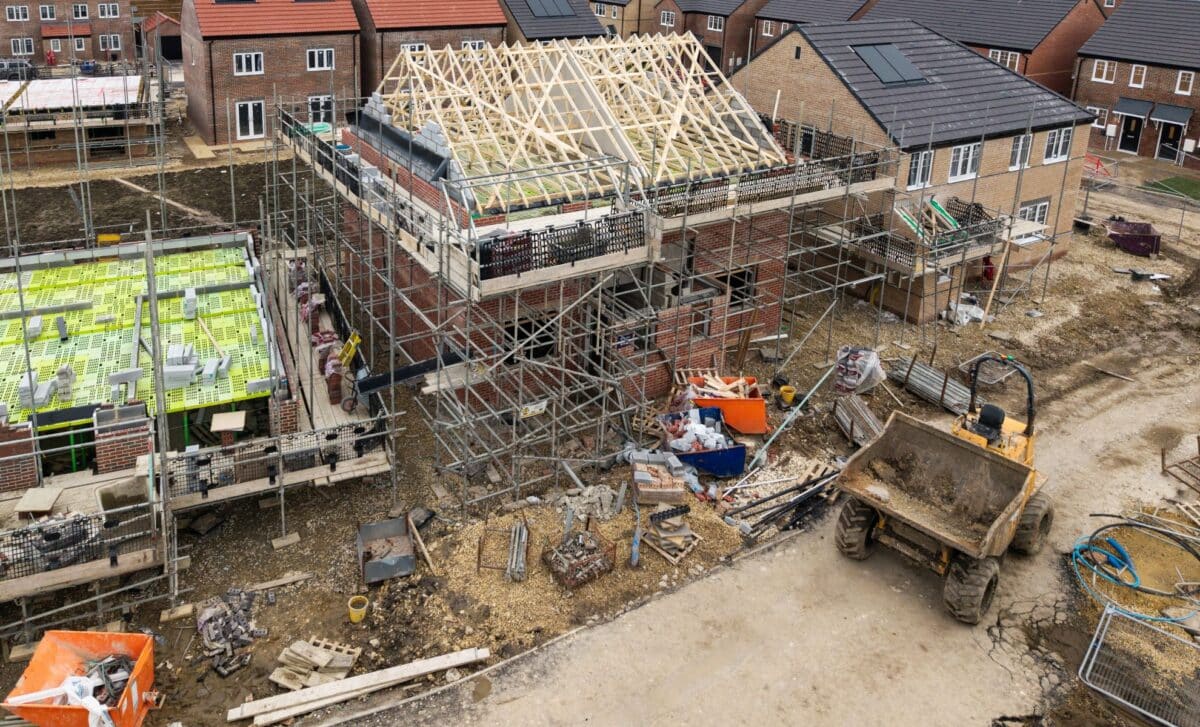
The potential impact on rural England became a central objection to the proposed reform. According to The Guardian, analysis by the National Housing Federation found that more than half of affordable homes in England’s most rural areas are built on developments of the size covered by the proposed policy.
The federation estimated that the change could have resulted in 32,000 fewer affordable homes over the next decade. Its chief executive, Kate Henderson, welcomed the reversal, saying the decision would safeguard “one of the most important routes for delivering social homes in rural areas”.
The government is still proceeding with a formal definition of medium development covering schemes of up to 2.5 hectares and between 10 and 49 homes. Its consultation found broader support for that definition, although respondents raised concerns about density, environmental impacts and the possibility of developers dividing sites to remain below planning thresholds.
Ministers are also retaining other measures intended to support medium-sized development. Local plans will be expected to allocate land accommodating 10% of housing requirements on sites of between one and 2.5 hectares, unless there are strong reasons why that target cannot be achieved. The affordable housing opt-out, though, will not form part of those reforms. On-site provision will remain the government’s approach for medium developments rather than being replaced by blanket discretion to make cash payments instead.