
More people across the UK could now qualify for 33% off train fares after changes to the Disabled Persons Railcard expanded eligibility to Blue Badge holders and people with certain long-term health conditions.
Martin Lewis Highlights Expanded Railcard Eligibility
Financial expert Martin Lewis has urged travelers to check whether they qualify for discounted rail tickets following changes introduced during 2026.
According to the Swindon Advertiser, the Money Saving Expert founder discussed the expanded eligibility rules during an October 13 broadcast of The Martin Lewis Money Show Live on ITV1 and ITVX.
The changes could benefit people who previously fell outside the qualifying criteria, including those whose disabilities or medical conditions affect their ability to travel.
Martin said:
“Disability railcard, they have widened the eligibility. Earlier in the year, they said Blue Badge holders were added.
“Now if you have a long term health condition, mental impairment or neurodivergence that impacts your ability to travel, you can get one too.
“A third off rail fares, costs about £20 a year, or £54 for three years. So some more people may be eligible for that one.”
His comments highlighted two developments: the inclusion of Blue Badge holders earlier this year and the subsequent expansion of eligibility to people with qualifying health conditions.

Blue Badge Holders Gained Access Under March Rule Change
A change introduced on March 1, 2026, made Blue Badge holders eligible for the Disabled Persons Railcard, creating another potential benefit for people already using the parking scheme.
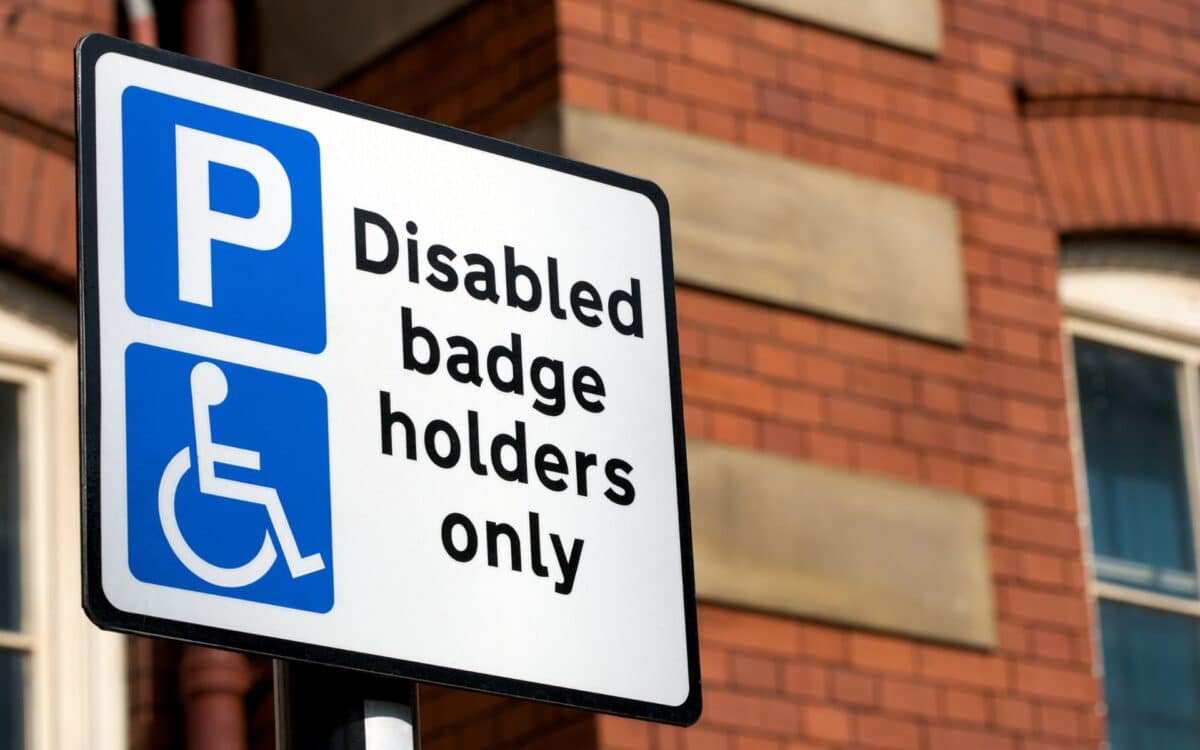
Blue Badges help people with qualifying disabilities or medical conditions park closer to their destinations. Depending on local regulations, holders can use designated accessible parking spaces and benefit from certain parking exemptions.
The scheme operates across the UK, although application charges differ between countries.
In England, a Blue Badge application costs £10, while applicants in Scotland pay £20. The badge is free in Wales.
The railcard change means that eligible badge holders can also access discounted train travel, potentially reducing the cost of journeys that involve both driving and public transportation.
The parking badge and railcard remain separate schemes, with their own application processes.
Long-Term Health Conditions May Also Qualify
The eligibility expansion goes beyond people who hold a Blue Badge.
Individuals with long-term health conditions, mental impairments or neurodivergent conditions that affect their ability to travel may also qualify under the updated rules.
This distinction matters because not everyone whose condition affects their ability to use public transportation necessarily holds a Blue Badge.
The broader criteria could therefore open discounted rail travel to applicants who were previously ineligible.
Eligibility is not automatic for everyone with a medical diagnosis or disability. Applicants must satisfy the railcard’s published requirements and provide the relevant supporting evidence.
Lewis encouraged viewers to review those requirements rather than assume they do not qualify.
How Much Could Travelers Save With the Railcard?
The Disabled Persons Railcard offers a third off eligible train fares, making it potentially valuable for people who travel regularly.
As Lewis explained, the card costs approximately £20 for one year or £54 for three years.
For example, a traveler purchasing £150 worth of eligible train tickets could save approximately £50 before accounting for the railcard’s purchase price.
Someone spending £300 on qualifying fares could save around £100.
Actual savings depend on ticket eligibility and travel patterns, so the financial benefit will vary between passengers.
The three-year option also offers a lower annual cost than purchasing three separate one-year cards at the prices Lewis cited.
People who believe they qualify can review the eligibility conditions and application requirements through the official Disabled Persons Railcard website.