
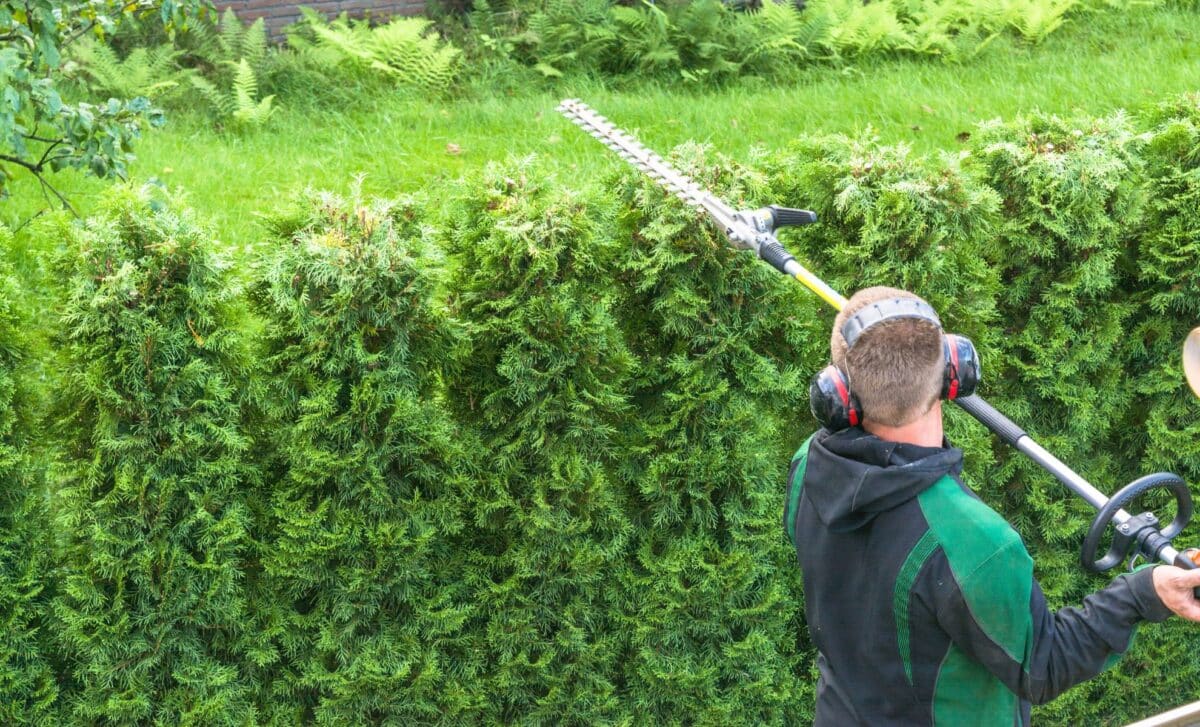
Landowners and contractors in Jersey could face fines in the future if they cut hedges or banks excessively or cause lasting damage, under a possible reform of the island’s 111-year-old branchage law. The review comes as concerns grow over how the current rules balance road safety, land maintenance and wildlife protection.
Branchage Rules Date Back to 1914
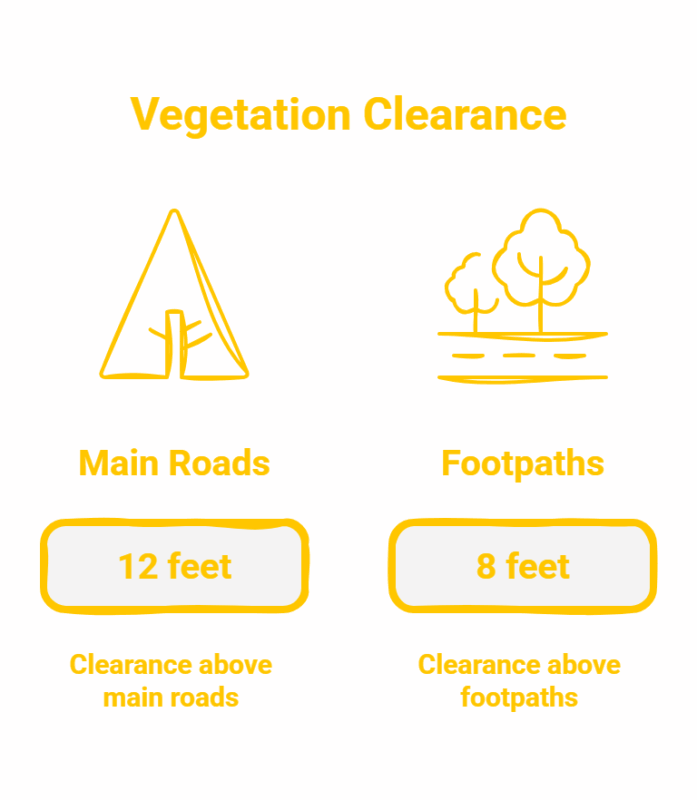
Jersey’s branchage system has been in place since 1914. Its purpose is to keep vegetation from obstructing public roads and paths. The rules require vegetation to provide a clearance of 12 feet (3.6 metres) above main roads and by-roads, and 8 feet (2.4 metres) above footpaths.
Under the current system, landowners must carry out the required cutting before inspections held during three-week periods following 24 June and 1 September each year. The law currently focuses on whether vegetation has been cut back sufficiently, rather than the way the work is carried out.
Fines for Damaging Vegetation Are Being Considered
Constable Andy Jehan, chair of the Constables Committee, said to BBC that the branchage law was being reviewed.
Responding to a written question from Deputy Hilary Jeune, he said the committee would consider whether fines should apply to landowners or contractors who cut hedgerows or banks excessively or cause lasting damage.
Jeune had questioned why the current law penalises people for failing to cut vegetation but does not address potentially damaging cutting practices. No new fine has been introduced under the information provided, and any change would require the law to be amended.
Dry Weather Affected Cutting in 2026
The timing and extent of branchage work has also raised concerns among farmers and landowners. An organic farmer previously argued that enforcing fixed cutting dates could cause unnecessary damage to trees, particularly following a summer marked by drought.
Jehan said parish constables have some flexibility over inspection dates. Each constable can choose when inspections take place within the existing three-week periods, and dates can be changed when circumstances require it.
He said the dry conditions during summer 2026 had resulted in limited vegetation growth and that cutting carried out during the year had remained within branchage requirements.
Wildlife Could Have a Greater Place in the Rules
The review could also examine how branchage requirements interact with environmental protection. Jeune asked whether the committee had consulted environmental organisations or the Jersey Biodiversity Centre about adding greater ecological flexibility to the legislation.
Jehan said the committee welcomed contributions from environmental groups during future consultations on amendments to the law. Members of Jersey’s Environment Department have also been invited to attend an upcoming committee meeting.
Bird Nesting Periods Are Already Considered
Jersey’s Wildlife (Jersey) Law 2021 contains protections relevant to nesting birds. Government guidance identifies March to July as a high-risk period for disturbance to nesting birds.
Jeune asked whether constables and road inspectors take those recommendations into account when carrying out branchage inspections. Jehan said wildlife and bird-nesting periods are considered during inspections.
He also pointed out that the Wildlife (Jersey) Law 2021 already contains sanctions for breaches.
Any Changes Would Require Further Consultation
The potential reform would therefore go beyond simply requiring landowners to cut vegetation before inspections. The committee is considering whether the law should also address how hedges and banks are cut, particularly where work causes lasting damage.
Environmental groups, government departments, landowners and other interested parties are expected to have an opportunity to contribute if amendments to the legislation are brought forward.
For now, Jersey’s existing branchage requirements remain in place, while the review considers how the century-old system could better balance road access, land management and wildlife protection.