As the energy sector continues to grapple with a legacy of unpaid bills, Ofgem’s move to write off substantial debt represents a crucial step in alleviating the financial strain on consumers. The debt, built up during the recent energy crisis, has contributed to a troubling rise in domestic energy costs, making it an urgent issue for both the regulator and those affected. In this article, we examine the scope of the new scheme and its potential impact on households struggling to make ends meet.
Tackling Growing Energy Debt: A Crucial Step for Ofgem
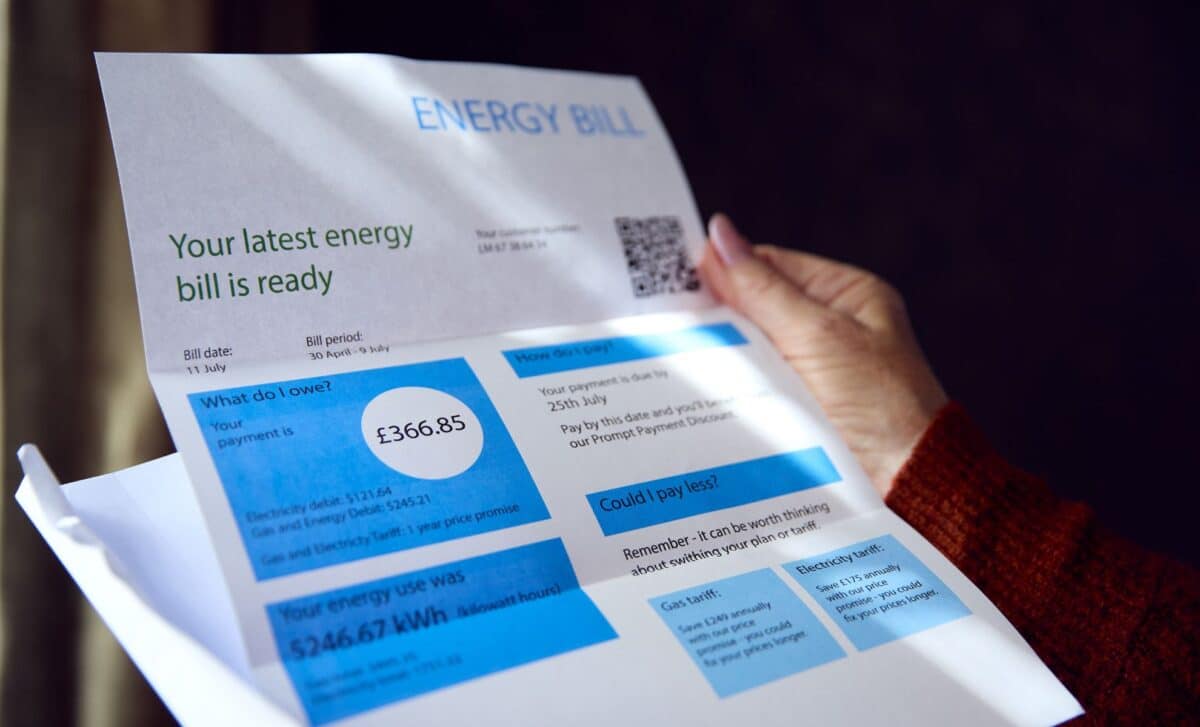
Energy debt in the UK has reached unprecedented levels, with the total amount owed by households surging to £4.4 billion by the end of June, according to Ofgem. The rising costs of energy during the past few years have left many consumers unable to pay their bills, leading to a sharp increase in unpaid debts. As a result, an additional £52 is added to each household’s annual energy bill to cover this unpaid debt, exacerbating the financial pressures on all consumers.
The new relief scheme proposed by Ofgem aims to write off up to £500 million of historical debt, which is expected to directly help around 195,000 households. Ofgem plans to focus on individuals receiving means-tested benefits who have accumulated over £100 in energy debt between April 2022 and March 2024. This targeted approach ensures that the most vulnerable households will receive the assistance they need, without burdening those who are able to pay.
Charlotte Friel, Director for Retail Pricing and Systems at Ofgem, commented on the importance of these reforms: “We must protect consumers by striking the right balance between making sure those that can pay are supported to do so, and targeting support at those who need it most.” The scheme is seen as a much-needed lifeline for families facing mounting debt, offering some respite from a system that has caused financial strain for many.
A Comprehensive Debt Relief Scheme with Long-Term Reforms
Beyond the immediate debt write-off, Ofgem’s proposals include long-term changes designed to prevent the recurrence of unsustainable energy debt. One key aspect of the scheme involves changes to the way energy debts are managed within the sector. Ofgem is pushing for reforms that would reduce the overall level of debt in the energy system and prevent such debt from accumulating to unsustainable levels in the future.
A particularly significant element of the reform is the introduction of trials for changes in how energy accounts are handled when individuals move into new properties. Currently, when a new occupant takes over a property, energy suppliers typically switch the account to an “occupier” status, leading to energy usage being billed under an anonymous account until the new tenant registers. This process has been identified as a major contributor to unpaid debt, with energy bills sometimes left unresolved for long periods.
Ofgem’s proposed changes would ensure that households register for energy accounts before they start receiving energy, which could reduce the amount of unpaid debt accumulated by new tenants. This initiative is in line with practices already in place across several European countries, where energy account registration is a prerequisite for supply.
This reform, alongside the debt relief scheme, is part of Ofgem’s broader strategy to reform the energy market, reduce household energy costs, and ensure that debt management is more sustainable.