

Turning 75 changes how UK pension savings are treated under tax rules. Personal pension contributions lose their tax relief, while the tax treatment of inherited pensions can also become less favourable for beneficiaries.
Why Pension Tax Relief Ends at Age 75
Under rules administered by HM Revenue and Customs (HMRC), individuals can continue contributing to certain private pensions after their 75th birthday, but those personal contributions no longer qualify for tax relief.
As reported by Express.co.uk, the restriction applies even when someone continues working beyond 75. Many pension providers consequently stop accepting new personal contributions at that age.
Before turning 75, eligible individuals can generally receive tax relief on pension contributions up to 100% of their annual earnings, subject to the applicable limits. For the 2026/27 tax year, the standard annual allowance is £60,000, although some savers have a lower allowance.
The distinction matters because contributions made after 75 no longer attract the government tax relief available to younger eligible savers.
Oliver Griffin from Fidelity UK explained:
“Once you turn 75, you no longer receive tax relief on personal pension contributions. For that reason, many pension schemes don’t accept new contributions after this. If you happen to be working at 75, your employer can still pay into your pension – provided these contributions meet tax rules.”
Employer contributions therefore remain possible after 75, distinguishing them from personal contributions that no longer qualify for tax relief.
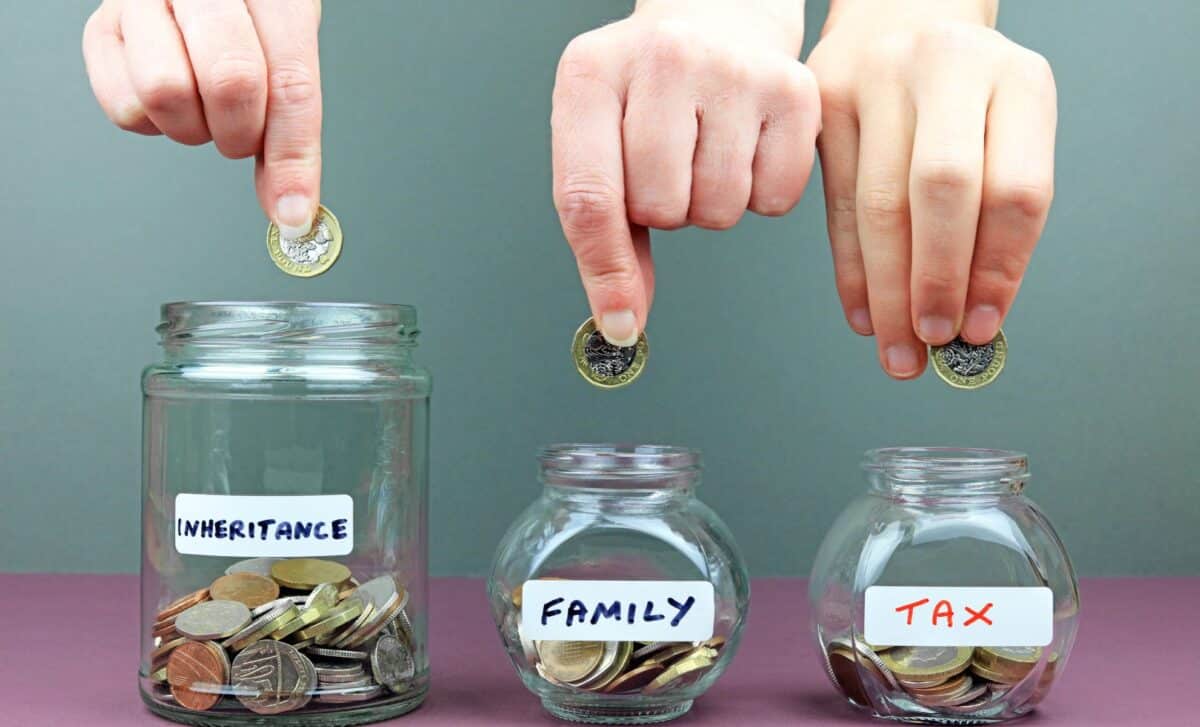
What Happens to Inherited Pensions After 75?
The 75th birthday also changes the Income Tax treatment of pension death benefits, potentially affecting what beneficiaries receive.
When someone dies before 75, inherited benefits from registered pension schemes can generally be paid without Income Tax, provided the relevant conditions are satisfied.
For deaths at 75 or older, beneficiaries normally pay Income Tax at their marginal rate when receiving taxable pension benefits.
Griffin described the distinction:
“Age 75 is also important for death benefits. If someone dies under the age of 75, their beneficiaries do not, at the moment, generally have to pay income tax or inheritance tax (IHT) on inherited pension wealth.
“If someone dies aged 75 or over, beneficiaries normally pay income tax on money they receive from the pension but, currently, they do not usually pay IHT on that. However, from April 6, 2027, unused pension funds and certain death benefits will be included in the deceased’s estate for IHT purposes.”
The April 2027 inheritance tax change adds another consideration for families managing retirement savings. The planned rules will bring unused pension funds and certain death benefits within the scope of an estate’s inheritance tax assessment.
Whether inheritance tax becomes payable will depend on the estate’s circumstances, available exemptions and applicable thresholds.
Can Pensioners Still Withdraw Tax-Free Cash After 75?
Reaching 75 does not automatically remove the right to withdraw tax-free pension cash.
Eligible savers can generally still access their tax-free lump sum, subject to pension scheme rules and the applicable allowances.
Griffin cautioned that some arrangements may impose additional restrictions:
“Once you turn 75, you should still be able to take your pension’s tax-free cash, however the rules can become more complicated and potentially less favourable. Some pension providers may not allow you to take tax-free cash after 75.”
The rules therefore distinguish between three separate issues: personal contributions, inherited pension benefits and tax-free withdrawals.
For pensioners approaching 75, the immediate change is clear: personal contributions cease to qualify for pension tax relief from that age, even if the individual remains employed. Employer contributions can continue where the scheme accepts them and the applicable tax conditions are met.