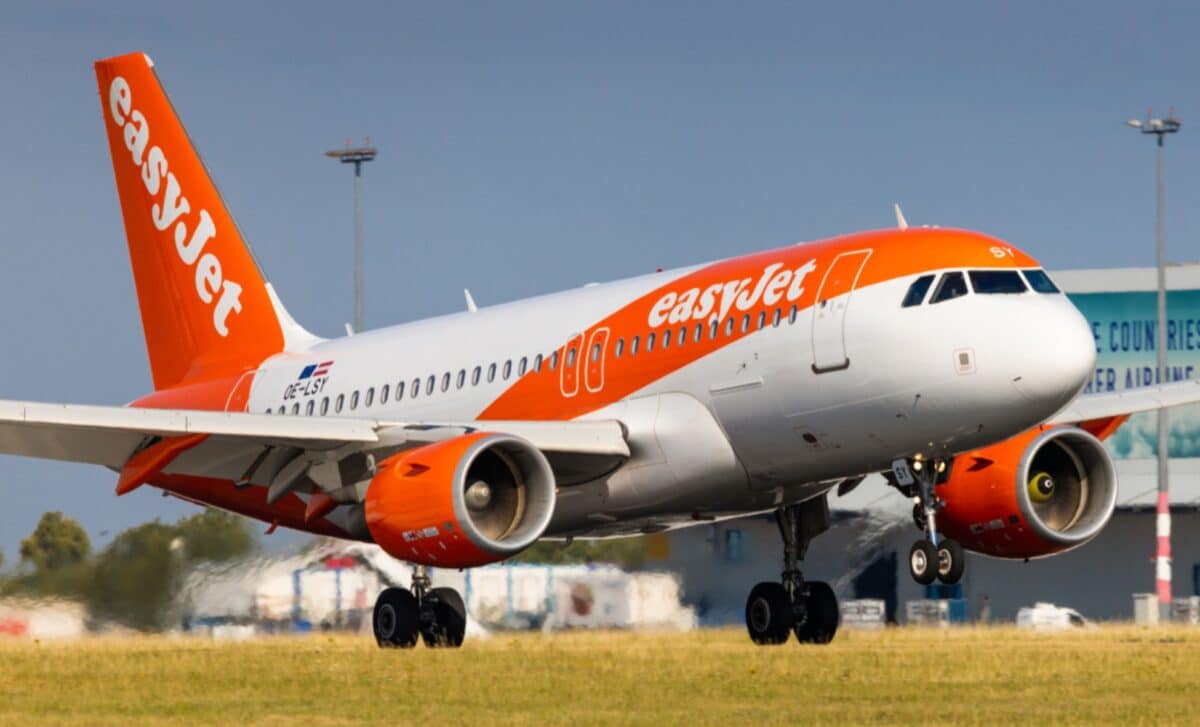
EasyJet has assured travelers that summer flights will not be disrupted by jet fuel shortages, despite concerns raised by the conflict in the Middle East. The airline said it has seen no issues with fuel supply at airports across the UK, Europe, or beyond, and travelers can book with confidence.
Middle East Conflict and Fuel Prices
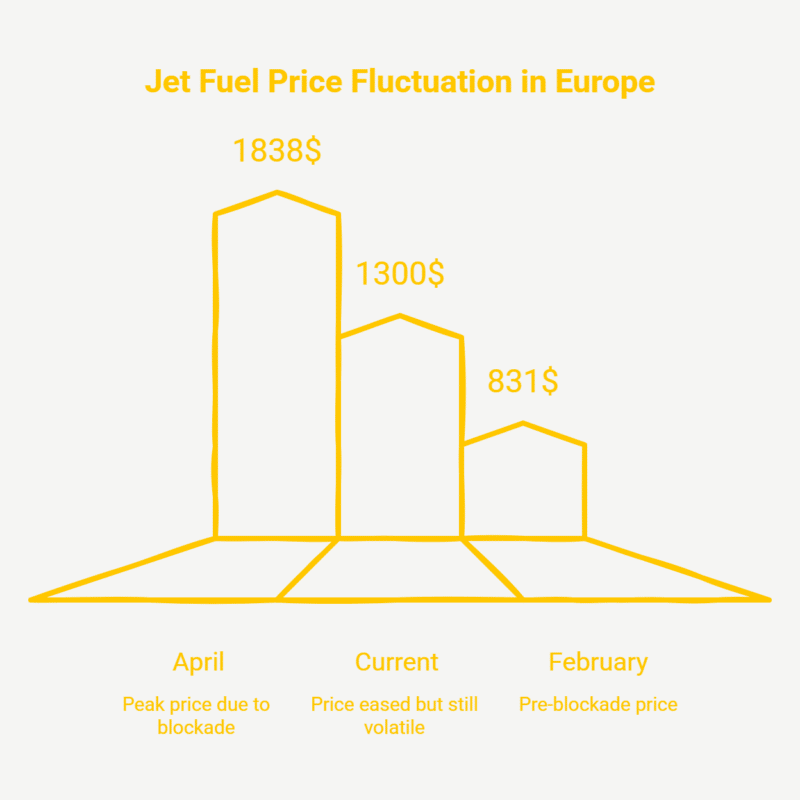
The blockade of the Strait of Hormuz, a key route for Europe’s jet fuel, has caused global prices to nearly double in recent months. At one point, jet fuel in Europe reached $1,838 a tonne in early April, up from $831 in February. Prices have since eased to around $1,300, but airlines remain exposed to volatility.
Rival carriers, including Ryanair, have also indicated that Europe remains relatively well supplied with jet fuel. In the UK, plans to impose a ban on Russian diesel and jet fuel imports via third countries have been scaled back to prevent supply and price disruptions.
EasyJet’s Supply and Hedging Strategy
EasyJet has hedged 72% of its fuel supply for the six months to September at pre-Iran war prices, providing financial stability for its summer schedule. Hedging for the 2026-27 winter covers 53% of fuel needs. The airline reported that the conflict has added an extra £25m to its fuel bill in March, highlighting the ongoing cost pressures.
The airline has trimmed available summer seats by 0.3%, reflecting caution amid uncertain demand. EasyJet reported a pre-tax loss of £552m for the six months to March, a seasonal pattern for airlines, which typically rely on summer profits to offset winter losses.
Booking Trends
EasyJet CEO Kenton Jarvis noted a trend of shorter booking windows, with passengers booking flights closer to departure dates, reports BBC. While demand remains strong for near-term travel, customers are reportedly waiting to see how the Middle East conflict develops before committing to flights further ahead.
Other travel companies have observed similar behavior. Jet2 has reported bookings increasingly close to departure, and Tui saw a 10% fall in revenue from summer holiday bookings made by UK customers. Travel agent groups confirm that consumer caution is driving a resilient late-booking market.
Market Outlook
Analysts warn that EasyJet remains sensitive to fuel price fluctuations. Even if the Middle East situation stabilizes, jet fuel prices are likely to remain elevated, which could continue to impact profitability. Strong summer demand may mitigate losses, but cost pressures and geopolitical uncertainty remain key challenges for European carriers.
EasyJet’s assurances, hedging strategy, and proactive planning suggest that travelers can expect flights to operate as scheduled, but industry observers caution that elevated fuel costs could affect ticket prices and margins in the months ahead.