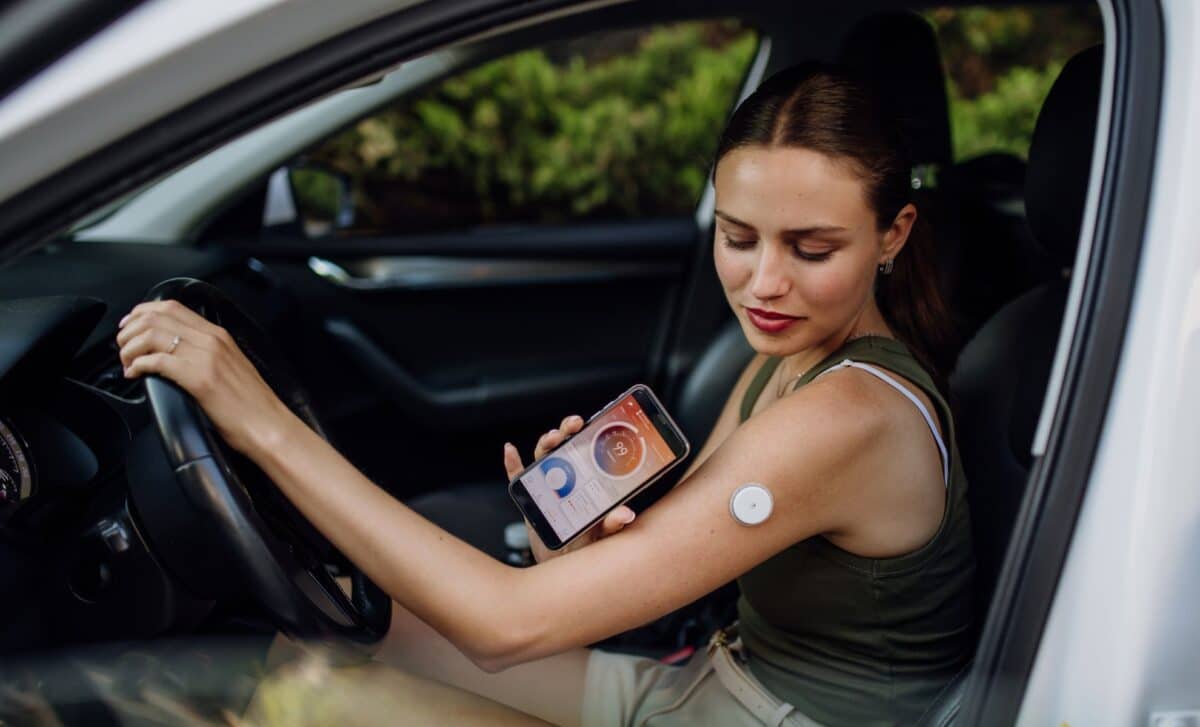
For years, drivers with diabetes have had to rely on finger-prick tests to check their blood sugar levels before and during their shifts. But with the introduction of Continuous Glucose Monitoring Systems (CGMS), a technology that tracks blood glucose levels in real-time, these drivers can now more safely manage their health while on the move.
The End of Finger-Prick Testing for Professional Drivers
Previously, drivers of heavy vehicles such as buses, coaches, and lorries were required to perform finger-prick tests to measure their blood sugar levels, a procedure that needed to be done before taking the wheel, and again during longer shifts. With the new regulations, which now align Group 2 drivers (those behind the wheel of buses, coaches, and lorries) with Group 1 drivers (car and motorcycle drivers), the DVLA allows real-time monitoring via CGMS.
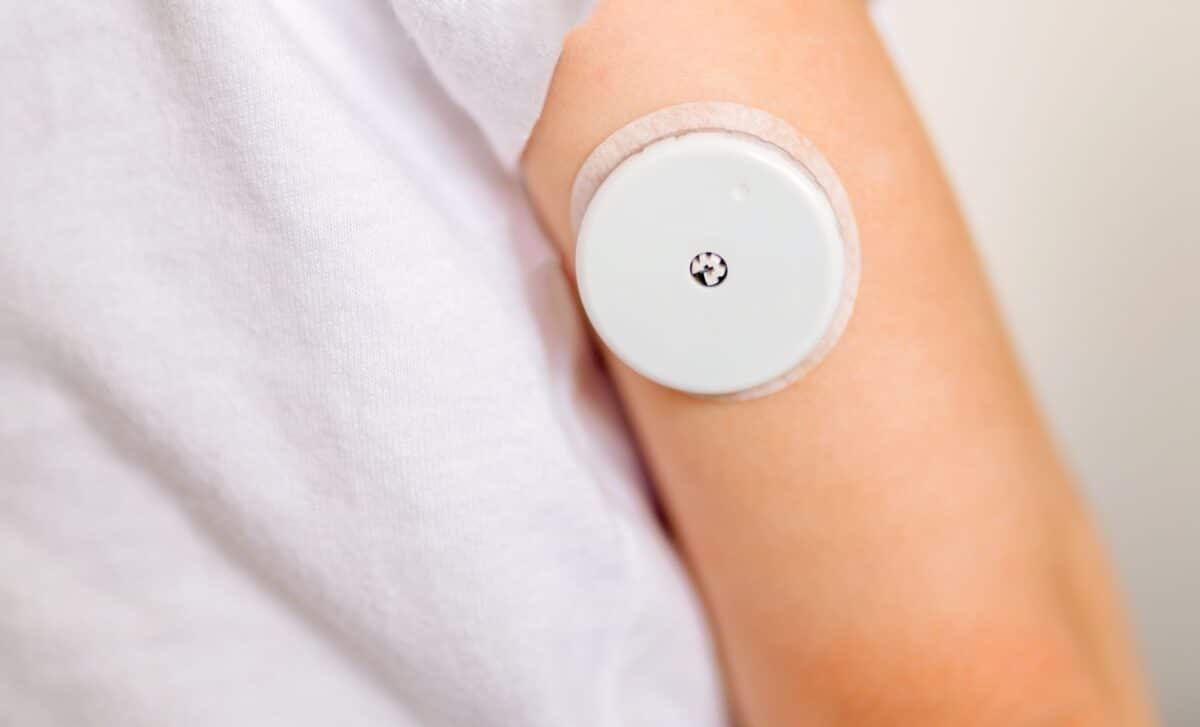
The technology uses sensors to provide continuous readings of glucose levels, which eliminates the need for invasive finger-prick tests. These devices offer peace of mind for professional drivers and their employers, as they allow drivers to keep their glucose levels in check without interrupting their work or the safety of the roads.
In addition to improving drivers‘ quality of life, this change supports road safety by providing a more accurate and efficient way of managing diabetes, particularly for those with insulin-dependent diabetes. Tim Moss, chief executive of the DVLA, highlighted the importance of embracing such technology, stating that it not only improves safety but also helps “Thousands of professional drivers manage their condition more effectively and with greater confidence.”
Medical Experts and Industry Leaders Applaud the Change
The change has been met with support from medical professionals and organisations within the transport sector. Diabetes UK, for example, expressed their approval, saying the change would “make a huge difference” to professional drivers, particularly those using insulin. Nikki Joule, policy manager at Diabetes UK, explained that technologies like CGMS are transformative for managing diabetes, improving health outcomes, and helping individuals lead more active, productive lives.
Further backing for the changes came from the Road Haulage Association (RHA), which represents thousands of transport professionals. According to a survey by the RHA, as many as 40% of workers in the road transport sector are affected by diabetes, making the introduction of CGMS a vital step in improving their working conditions. Aaron Peters, head of technical, engineering, and policy at the RHA, said the move would allow drivers to “monitor and manage their diabetes more confidently,” reflecting the ongoing advancements in diabetes care.
This shift in policy, which was introduced following a consultation that saw 89% of respondents in favour, aligns the UK with international standards, where CGMS is already a widely accepted practice. The new rules come at a crucial time, offering drivers better flexibility while improving public safety.
New Rules and Safety Protocols: What’s Expected of Drivers
Despite the introduction of CGMS technology, Group 2 drivers must still follow key safety protocols. While they are now permitted to use continuous glucose monitoring, they are still required to pull over and verify their readings if they experience any issues or need to take corrective action while driving.
This precaution ensures that drivers can safely manage their diabetes without compromising their ability to operate their vehicles. The importance of these safeguards cannot be overstated, as road safety remains a priority for both the DVLA and the public. According to the DVLA, the updated regulations offer a balance between increasing flexibility for diabetic drivers and maintaining the highest standards of road safety.