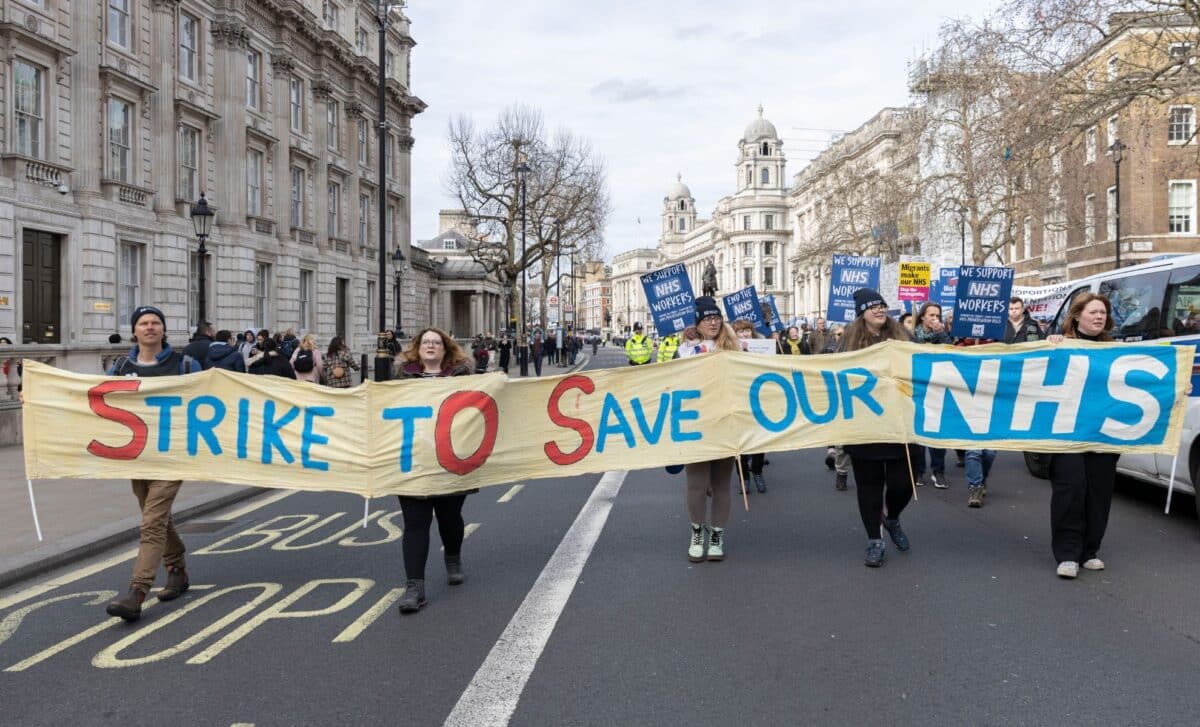
The BMA claims this latest strike is rooted in more than a decade of wage erosion, with calls for a 26% pay uplift to restore real-terms earnings to 2008 levels. Meanwhile, government officials have held firm, pointing to previous increases and warning that further action risks long-term damage to NHS recovery plans.
Pay Dispute at the Heart of the Action
At the core of the strike is a disagreement over pay restoration. The BMA argues that doctors’ salaries have been significantly eroded by inflation over the past 15 years. According to the union, the starting salary for a newly qualified doctor in England is approximately £38,831, while second-year earnings rise to around £54,400 with unsociable hours included. Despite incremental increases in recent years, the BMA maintains that doctors’ real-term earnings are still markedly below 2008 levels.
Dr Tom Dolphin, a senior member of the BMA council, told Sky News that resident doctors were being paid as little as £14 an hour at the start of the dispute. “There were some pay rises over the last couple of years that brought that partly back to the value it should be at, but not all the way.” he said.
The UK government, however, has pointed to a 29% cumulative pay increase over the past three years, describing it as one of the most generous settlements in the public sector. Health Secretary Wes Streeting has dismissed the strike as “unnecessary and irresponsible”, stating that the BMA did not present the latest offer to its members. He cited a Times poll, which reported that 48% of resident doctors opposed the action, as evidence that support within the profession is waning.
Still, union leaders insist the walkout reflects long-standing dissatisfaction, not just with pay but also with working conditions and career progression. Dr Jack Fletcher, chair of the BMA’s resident doctors committee, claimed NHS managers were “emotionally blackmailing frontline staff” and ignoring systemic staffing issues. According to the BMA, this year saw 30,000 applicants for just 10,000 training positions, leaving many doctors without a role at a critical stage of their careers.
Pressure Mounts on Patient Services and NHS Budgets
The strike coincides with rising flu cases and an already challenging winter outlook for the NHS. According to NHS Confederation and NHS Providers, which represent healthcare trusts, the ongoing strikes have already cost the service approximately £300 million, with the current five-day action projected to add £240 million in additional costs due to staffing cover and rescheduled care.
During the last strike, over 54,000 appointments and procedures were cancelled or rescheduled. Although NHS England stated it managed to deliver 93% of planned activity, leaders are warning that the sustainability of this model is under threat.
Matthew Taylor, chief executive of the NHS Confederation, said in a statement: “There is no doubt that patients will bear the brunt of this disruption.” He warned that continued action could lead to cuts in frontline staff and reduced access to care. “With flu already beginning to bite, there is a real risk that these strikes will leave the NHS limping into a very difficult winter,” he added.
Despite efforts to maintain services, relying on consultants, redeployed staff and non-striking doctors, many patients have faced cancellations. One patient, Colette Houlihan, told the BBC she was “furious” after her pre-surgery appointment was pushed back yet again.
The government has reiterated that emergency care remains available and urged patients to attend scheduled appointments unless told otherwise. NHS 111, GP services, and A&E departments continue to operate, though under considerable strain. As the BMA’s strike mandate is set to expire in January, the outcome of the next few weeks may determine whether the standoff intensifies or edges toward resolution.