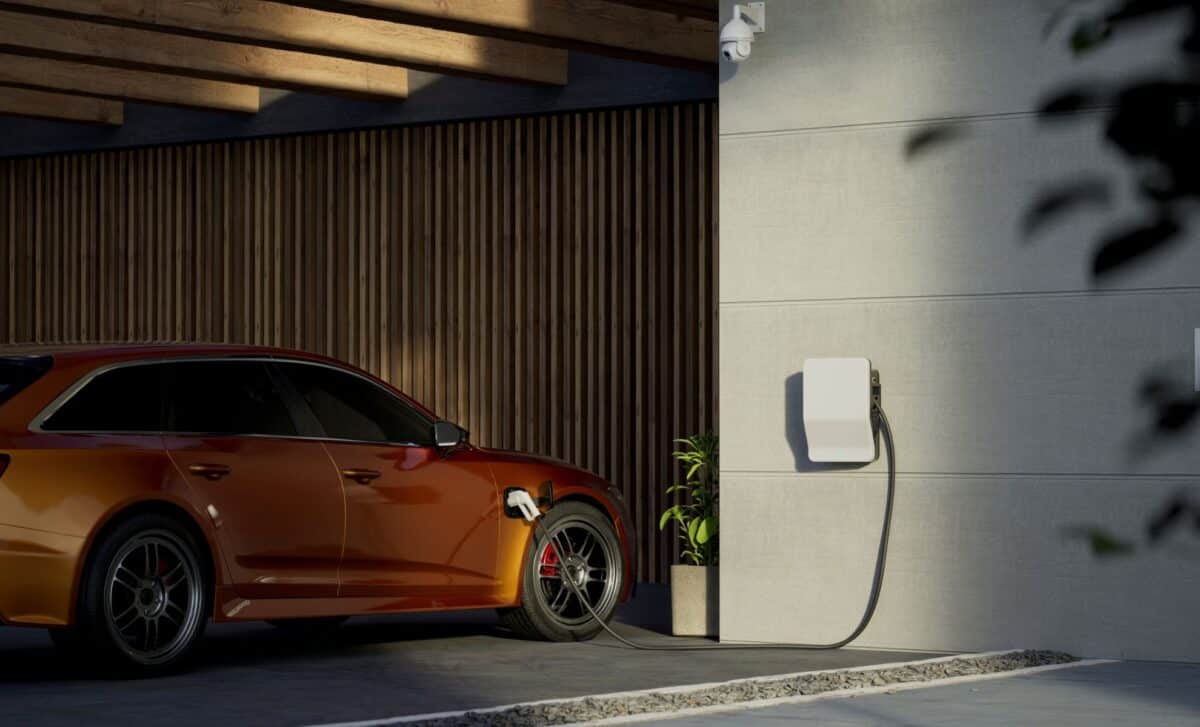
Electric vehicle owners in the UK could see their home charging costs fall to just 2p per mile following a new electricity VAT reduction introduced in October. The change offers substantial savings for drivers with access to private charging, while those relying on public stations face considerably higher costs.
New VAT Cut Brings Home EV Charging Costs Down
The government has reduced VAT on domestic electricity from 5% to 0%, with the measure taking effect on October 1, according to Express.co.uk.
The policy, attributed to Prime Minister Andy Burnham, affects households across the country, including motorists who charge electric vehicles on driveways or in private off-street parking spaces.
Analysis from costpermile.co.uk estimates how the reduction translates into everyday driving expenses. Its calculations use a typical family electric hatchback or SUV achieving an average efficiency of 3.5 miles per kilowatt-hour (kWh).
Drivers using discounted overnight electricity tariffs stand to benefit most. Under the new VAT arrangement, electricity purchased through certain smart tariffs could cost approximately 7p per kWh.
At that rate, driving an electric vehicle would cost around 2p per mile, equivalent to approximately £200 annually for someone covering 10,000 miles.
These figures depend on the electricity tariff and vehicle efficiency rather than representing a universal charging price.
Standard Electricity Tariffs Offer Smaller Savings
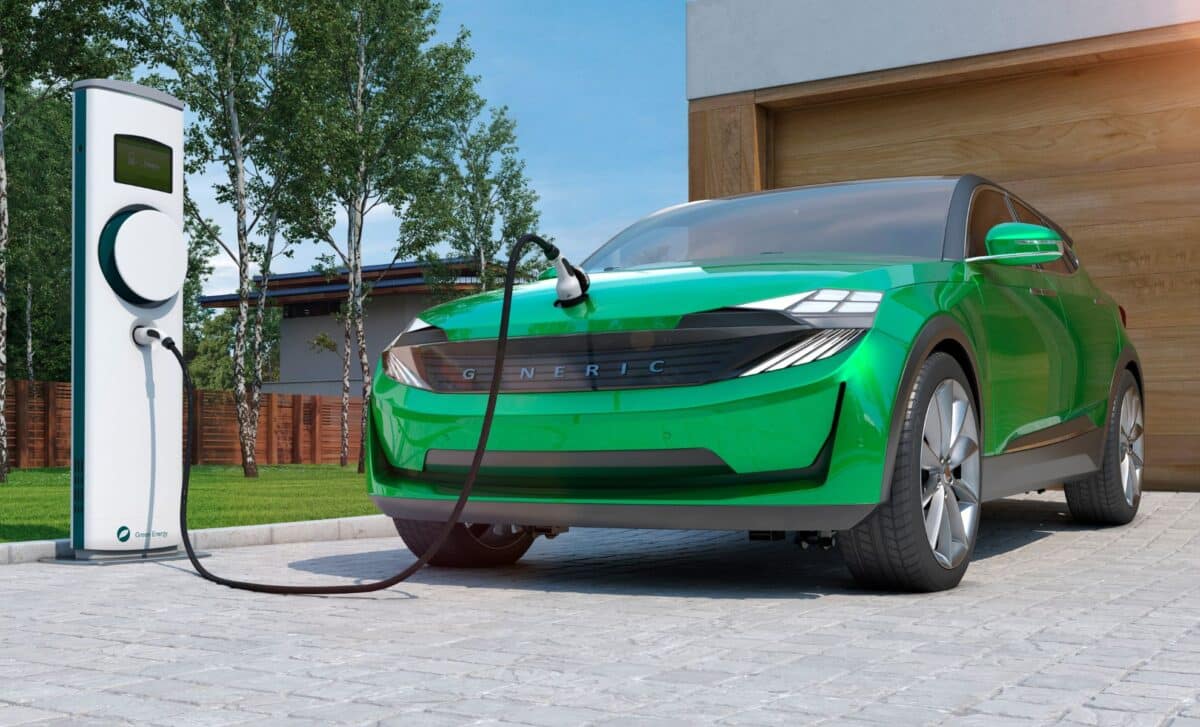
Households without specialist EV tariffs could also benefit from the removal of domestic electricity VAT, although their charging costs would remain higher.
Based on the analysis, drivers paying 24p per kWh on a standard domestic tariff would spend approximately 6.9p per mile.
For motorists travelling 10,000 miles annually, that translates to around £690 in electricity costs.
The difference between standard and discounted tariffs highlights the financial advantage of charging during cheaper electricity periods.
Matt Galvin, Managing Director at Polestar UK, previously welcomed the proposed reduction, arguing that lower electricity prices would improve the affordability of electric vehicle ownership.
“Scrapping VAT on electricity will make owning and charging an electric vehicle even more affordable for millions of households. It is an important first step towards lowering the cost of living while accelerating the transition to clean transport. With some of the highest electricity prices in the developed world, reducing the cost of electricity must now become one of the government’s defining economic and energy priorities.”
Drivers Without Driveways Still Face Higher Charging Bills
The VAT reduction does not extend to public electric vehicle charging, where the tax rate remains at 20%.
According to costpermile.co.uk, charging stations at supermarkets and retail parks typically cost around 52p per kWh, equivalent to approximately 12.6p per mile under its estimates.
That creates a substantial price difference between motorists with private charging facilities and those dependent on public infrastructure.
At the quoted rates, a driver travelling 10,000 miles would spend approximately £1,260 annually using public chargers, compared with £200 on a discounted home tariff.
Galvin has called for further government action to address that disparity.
“The new administration must now extend the five chargepoint grants for households without off-street parking beyond the March 2027 deadline and abolish VAT on public EV charging, which continues to unfairly penalise drivers without a driveway.”
Under the charging prices cited in the analysis, public charging remains more than six times as expensive per mile as discounted home charging, leaving drivers without private parking exposed to significantly higher running costs.