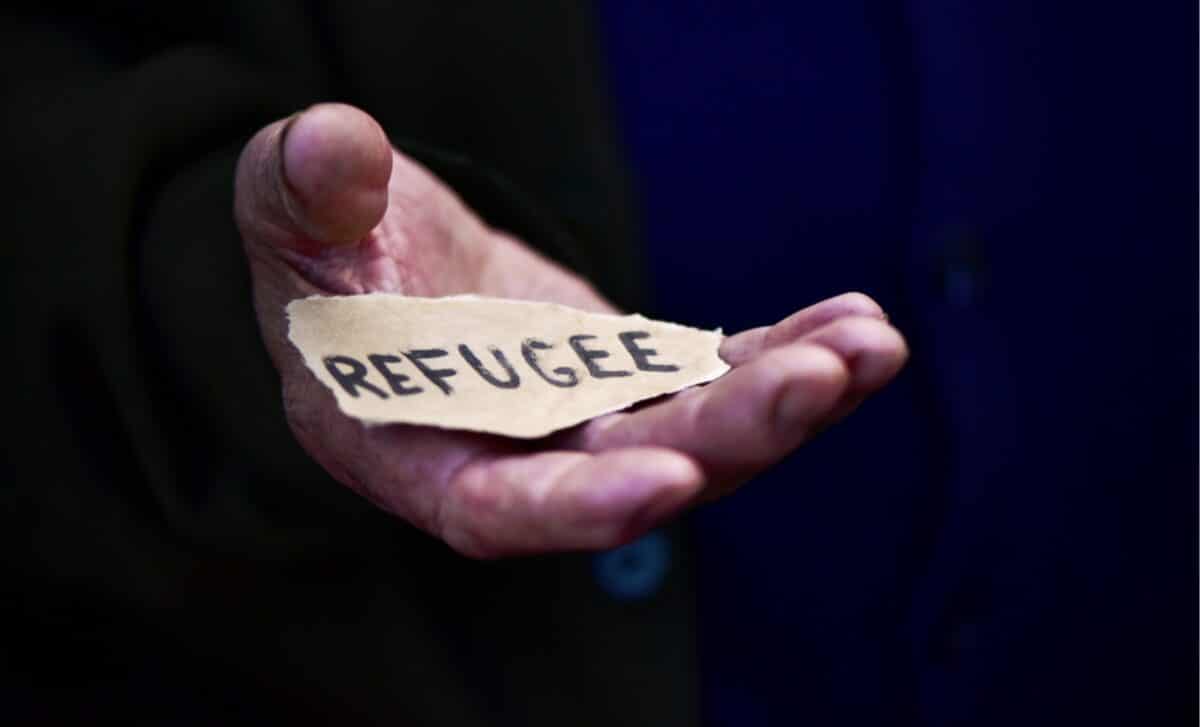
Asylum seekers could be required to repay around £10,000 towards the cost of state-funded accommodation and living support under proposed changes included in a new immigration and asylum bill, as ministers aim to reduce public spending on asylum accommodation while charities warn the policy could place additional financial pressure on people granted refugee status.
Proposed Repayment Scheme Linked To Settlement
The plans would introduce a means-tested repayment requirement for some individuals granted asylum in the UK. Under the proposal, those who are later assessed as having sufficient income could be required to contribute towards the cost of their accommodation and living support received during the asylum process.
Repayment would be linked to eligibility for settlement status, meaning outstanding amounts may need to be cleared before permanent residency is granted. The scheme has been described by officials as similar in structure to student loan repayments, with contributions based on future earnings.
How Much Asylum Seekers Could Pay
The average repayment figure under the proposal is expected to be around £10,000, although final amounts could vary depending on income thresholds and regulatory decisions. The Home Office has said the charge would apply only to those with sufficient financial means after being granted asylum status.
Officials suggest the measure would affect a relatively small proportion of refugees, as most remain on low incomes in the years following approval. Available data indicates that fewer than 15% of refugees reach earnings above £20,000 within five years of receiving status, reports The Guardian.
Government Justification For The Policy
The government says the proposal is intended to ensure that individuals who later become financially stable contribute towards the cost of public support received during the asylum process.
Ministers argue that asylum support is a protected entitlement but say repayment reflects a broader expectation of contribution once individuals are able to work. The policy forms part of wider efforts to manage rising costs associated with asylum accommodation and support services.
Criticism From Refugee Organisations
The proposal has drawn criticism from refugee charities and support organisations, who say it risks increasing financial strain on people rebuilding their lives in the UK. Charities argue that asylum seekers are often prohibited from working while their claims are being processed, leaving them dependent on state support.
Some organisations have described the measure as adding further barriers to integration and long-term stability.
Concerns Over Economic Impact
Migration and policy experts have questioned how much revenue the scheme would generate in practice, given relatively low income levels among refugee populations. Analysts suggest that only a limited number of individuals would earn enough to meet repayment thresholds.
There are also concerns that the policy could discourage employment or lead to unintended behavioural changes among those affected.
Wider Immigration Bill Reforms
The repayment proposal forms part of a broader immigration and asylum bill currently under consideration by MPs. The legislation also includes changes to human rights considerations in immigration decisions and updates to age assessment processes.
Further details, including income thresholds and repayment mechanisms, are expected to be set out in secondary regulations if the bill progresses.