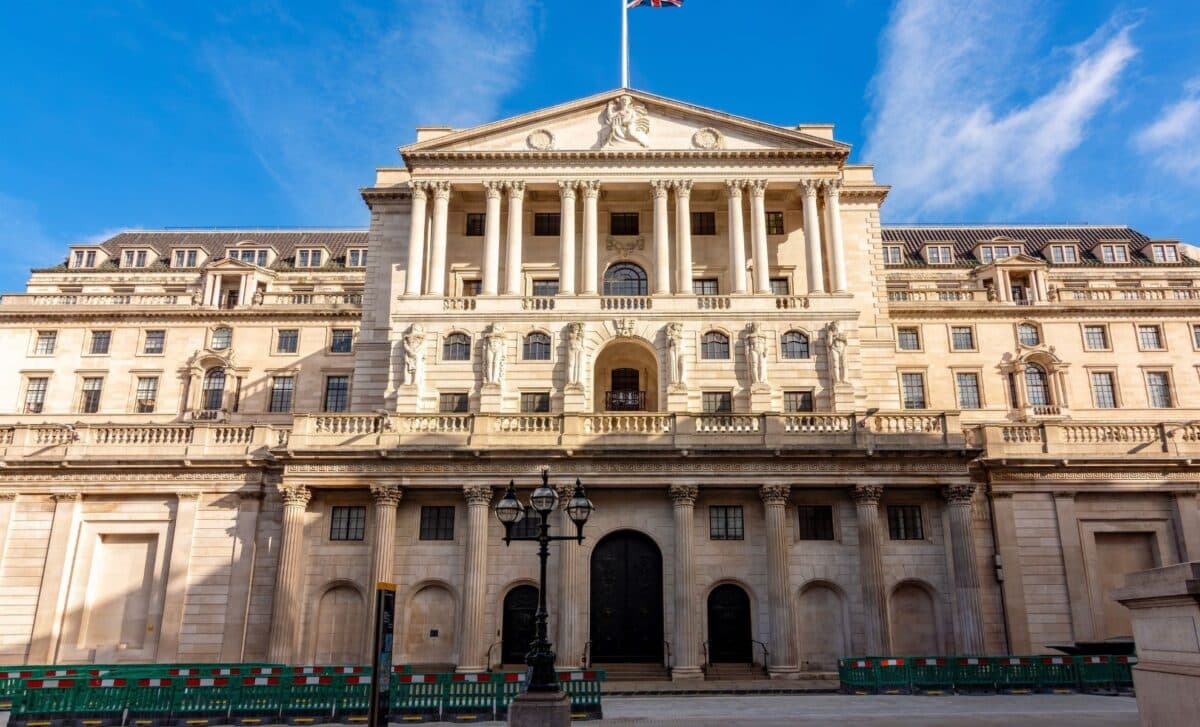
The warning comes as millions of households face rising mortgage repayments and higher energy bills. The tax increase was introduced by the government to help finance cost-of-living support, although its wider impact on borrowers and savers remains uncertain.
Banks Could Seek To Protect Their Profits
Chancellor John Healey announced in his October Budget that the bank corporation tax surcharge would double from 3% to 6%. The measure will come into effect in January and remain in place for 15 months.
According to The Guardian, the increase was less severe than some lenders had anticipated, with speculation before the Budget that the chancellor would restore the previous surcharge of 8%, which remained in place until 2023.
Speaking to The Times, Bailey said banks would make their own decisions about how to respond to the additional tax burden. “You could understand that they will look to pass it on because they will be targeting a rate of return,” he said.
The governor added that the success of any attempt to recover the additional costs would depend on market conditions and competition within the banking sector.
Britain’s four largest banks (HSBC, NatWest, Barclays and Lloyds Banking Group) have collectively generated £200bn in pre-tax profits over the past five years. Lenders have benefited from borrowing costs rising faster than interest rates paid to savers.
Jamie Dimon, chief executive of JP Morgan, has already indicated that he intends to find ways to offset the impact of the tax increase, which he described as unfair. Healey introduced the measure to help fund a £2.6bn energy support package, which includes £100 payments for 20 million households.
Households Face Rising Mortgage and Energy Costs
The governor’s comments follow the publication of the Bank of England’s latest Financial Stability Report, which highlighted the financial pressures facing homeowners as existing mortgage agreements expire.
According to The Independent, around 6.5 million households are expected to experience an average increase in monthly mortgage repayments of approximately £100, roughly twice the amount anticipated in the Bank’s July report.
More than one million households currently paying mortgage interest rates below 3% are due to refinance by the end of next year. Their monthly repayments are expected to increase by nearly £200 on average.
Some 430,000 households face increases of more than £500 a month over the next three years, according to the Bank’s figures.
Energy costs are adding to these pressures. Average annual household energy bills are set to rise by 26% in January, reaching £2,166 following increases in wholesale prices linked to the conflict in the Middle East.
The Bank of England has also raised its base interest rate from 3.75% to 4%, marking its first increase in more than three years.
Policymakers have warned that further interest rate rises may be necessary if energy prices remain elevated. Meanwhile, Bailey’s assessment suggests that whether banks succeed in transferring the additional tax costs to customers will depend on the competitive conditions within the industry.