Millions of UK households could avoid a sharp increase in their energy bills by switching suppliers before January 1, 2027. Some fixed-rate tariffs could offer annual savings of up to £325 compared with the new energy price cap announced by Ofgem on November 25.
Energy Customers Face a 26% Price Cap Increase
Customers of British Gas, EDF, E.ON, Ovo, Octopus Energy and Scottish Power could secure lower rates by moving to a competing supplier before the new cap takes effect.
According to Birmingham Live, Scott Byrom, CEO of energy comparison service The Energy Shop, said households on standard variable tariffs could face substantially higher costs in January.
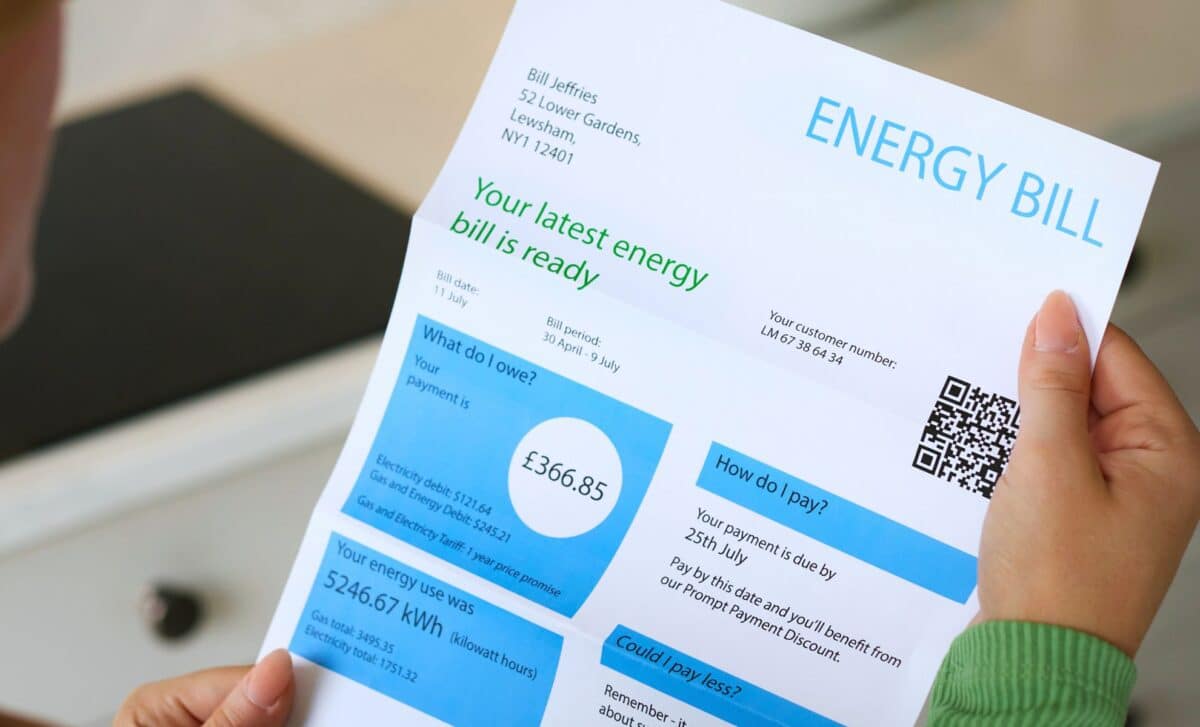
“With Ofgem announcing a 26% rise to the energy price cap from 1st January, taking the average annual bill to £2,166, the 22 million households on a standard variable tariff face a bleak start to 2027.”
The price cap limits the rates suppliers can charge customers on standard variable tariffs rather than setting a maximum household bill. Actual costs depend on energy consumption.
Falling Wholesale Prices Create an Opportunity to Save
Despite the announced increase, declining wholesale energy prices have made some fixed-rate tariffs more competitive. Fuse Energy currently offers one of the cheapest deals identified by Byrom.
“The flip side is that wholesale prices are falling, and the cheapest fixed deals have fallen with them to around £1,841 a year with Fuse Energy. Households switching today could save up to £325 against the new cap, more than the £239 saving available this time last year.”
Fixed-rate agreements allow customers to lock in their unit rates for a specified period, providing protection against subsequent price increases.
Ofgem’s Returning Charge Could Reduce Switching Savings
The potential savings could narrow following the reintroduction of Ofgem’s Market Stabilisation Charge, a mechanism designed to protect suppliers against financial exposure when customers switch during periods of falling wholesale prices.
“But that saving may not last. From today, Ofgem’s Market Stabilisation Charge is back, meaning suppliers who win customers must compensate the supplier they left if wholesale prices fall sharply.
“Suppliers will price that in, and we estimate up to 35% of switching savings could be lost.”
Byrom also questioned the regulator’s approach to maintaining competition within the British energy market.
“So whose side is Ofgem on? Six years of so-called temporary fixes, from the price cap to the ban on acquisition-only tariffs and now this charge, have protected suppliers at the expense of competition.
“Wholesale prices and fixed deals are falling, yet the cap is rising and switching is being made less rewarding.”
Fixed and Tracker Tariffs Offer Different Options
While energy prices could ease from April 2027, households may find more competitive deals before the next scheduled price cap adjustment.
“Bills should start to ease from April, but households don’t need to wait. A fixed deal is the safest way for most to beat January’s rise, while a tracker could suit those happy for their bill to follow falling wholesale prices.
“Either way, compare deals on an Ofgem-accredited site like The Energy Shop and get off the standard variable tariff before the saving shrinks.”
Customers should compare unit rates, standing charges and exit fees before committing to a new contract.
“The cheapest fixed deals are currently up to £325 below the new £2,166 cap. With the Market Stabilisation Charge back, that saving could get smaller if wholesale prices keep falling,” Byrom said.
“Switching takes around five days, and you get a 14-day cooling-off period if you change your mind, so there’s no risk in acting now.”