
The announcement comes as Britain’s defence industry faces growing scrutiny over government spending decisions and the timing of military contracts. While BAE Systems says the restructuring will improve its competitiveness, trade union Unite has warned that delays in defence procurement are putting skilled British jobs at risk.
BAE Systems Announces Job Cuts As Defence Profits Rise
According to Sky News, BAE Systems confirmed on Wednesday, 18 November, that up to 1,070 positions would be removed from its head office and air division. The company intends to achieve the reductions through voluntary redundancies, excluding shopfloor manufacturing workers and aircraft maintenance personnel.
The Financial Times reported that employees on early careers training programmes would also be protected. The proposed reductions represent approximately 2% of BAE Systems’ UK workforce, which currently stands at around 50,000 employees.
The company employs approximately 18,500 people in its air division and another 1,000 at its head office. Its British workforce has expanded considerably over the past six years, rising from 35,000 employees to its current level.
BAE Systems said the changes formed part of its continuing efforts to improve operational efficiency and respond to demands for faster delivery of military equipment.
The restructuring follows a period of strong financial performance. BAE Systems has benefited from increased international defence spending since Russia launched its full-scale invasion of Ukraine in 2022.
According to the same source, the company recently increased its full-year free cash flow guidance by 50%, from just over £2 billion to £3 billion. It also reported securing £33 billion in orders during 2026 and forecast underlying operating profit growth of between 10% and 12%.
Union Warns Government Delays Threaten British Defence Jobs
The announcement has prompted criticism from Unite, which argues that delays in government defence decisions are affecting employment across the sector.
Unite general secretary Sharon Graham warned that Britain “won’t have a manufacturing industry left if the government doesn’t start making critical decisions”.
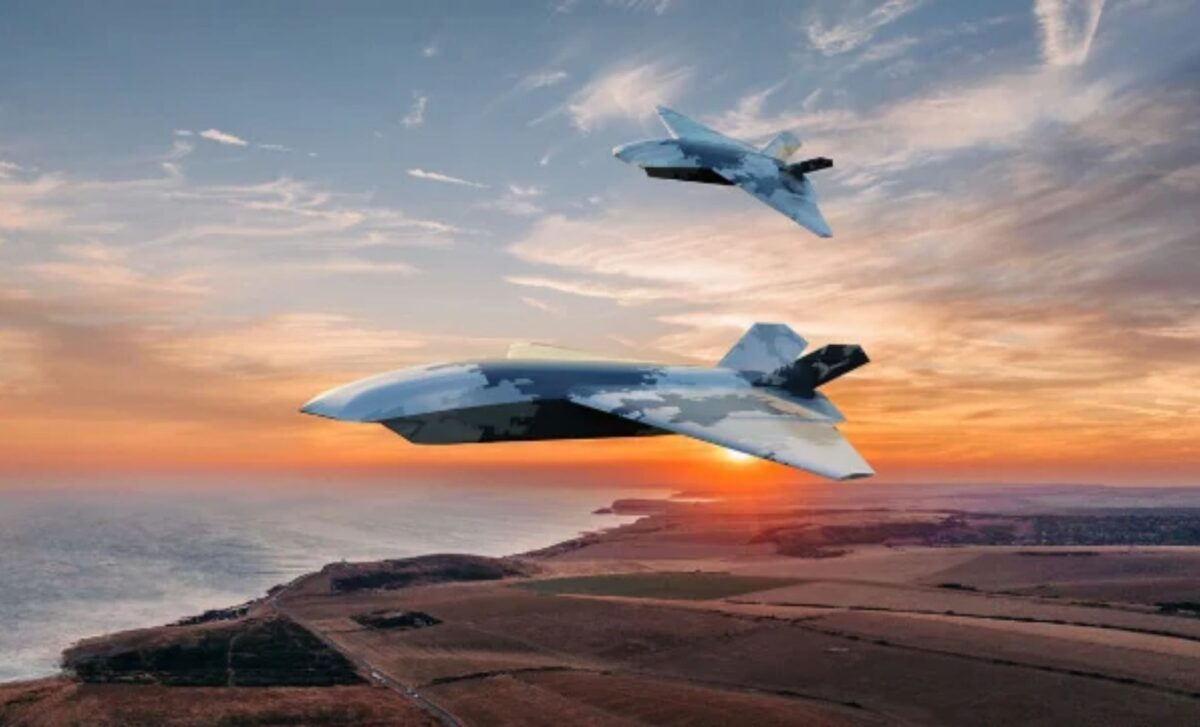
The union has called for immediate government contracts covering British-built Eurofighter Typhoon aircraft and Collaborative Combat Aircraft, arguing that delayed procurement decisions are damaging employment prospects.
BAE Systems plays a substantial role in the Eurofighter Typhoon programme and is collaborating with Italy’s Leonardo and Japan’s Mitsubishi Heavy Industries on a next-generation fighter aircraft scheduled for development by 2035.
The company also manufactures submarines, warships, armoured vehicles, missiles and advanced defence electronics for British and allied armed forces.
Unite has extended its concerns beyond BAE Systems, urging the government to award the Skynet 6 military satellite contract to Airbus to protect thousands of skilled positions in Portsmouth and Stevenage.
The restructuring follows other reported employment reductions in Britain’s defence sector. According to The Sun, Leonardo UK recently announced changes affecting up to 75 positions at its Yeovil helicopter facility.
BAE Systems maintains that its proposed reductions are intended to improve efficiency rather than diminish its manufacturing capabilities. The company is seeking voluntary redundancies while retaining employees directly involved in aircraft production and maintenance.