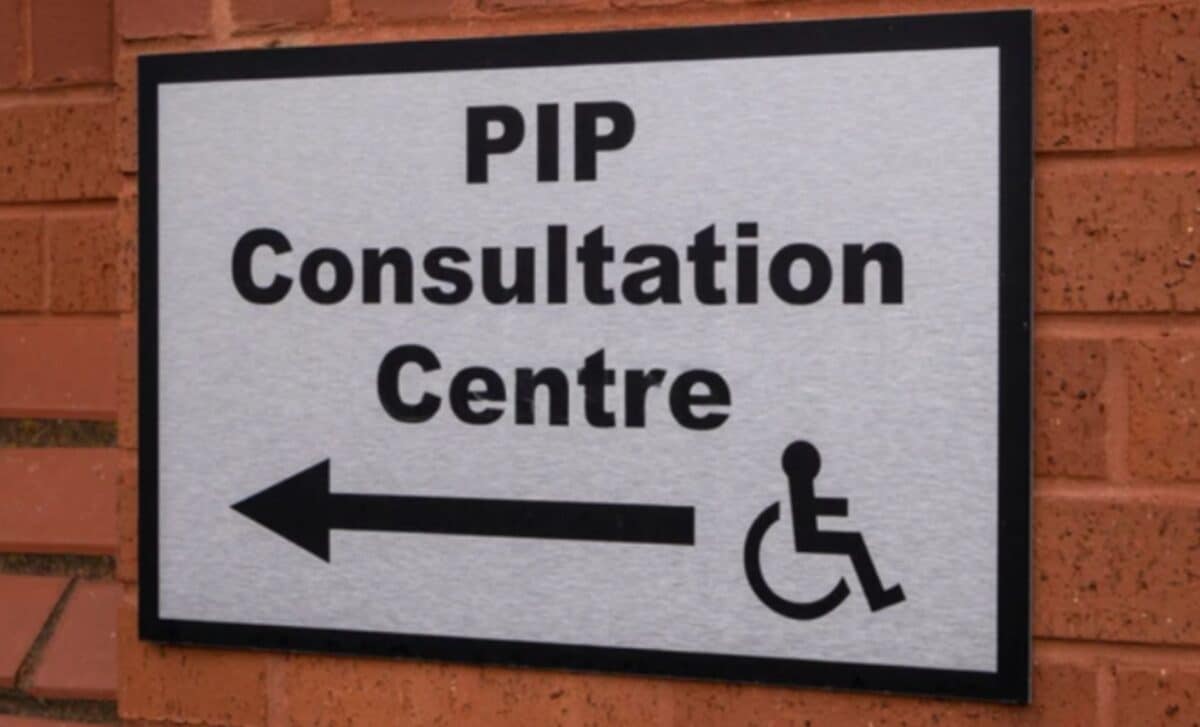
People living with obsessive compulsive disorder (OCD) may qualify for up to £194.60 a week in Personal Independence Payment (PIP), depending on how severely the condition affects their everyday activities and mobility. Department for Work and Pensions (DWP) figures show that thousands of people with OCD already receive the highest available rates.
According to the Daily Express, 2,949 claimants whose primary disabling condition was recorded as OCD were receiving enhanced payments for both daily living and mobility as of 31 July 2026. The figures highlight how the benefit can support people with mental health conditions, although receiving a diagnosis alone does not establish entitlement.
How OCD Can Qualify Someone for PIP Payments
Obsessive compulsive disorder is a mental health condition characterised by obsessive thoughts and compulsive behaviours. According to the NHS, it can affect men, women and children, with symptoms sometimes beginning as early as six years old. The condition more commonly develops around puberty or during early adulthood.
OCD can cause considerable distress and interfere with everyday life. The NHS explains that treatment can help people manage their symptoms, although the impact of the condition varies between individuals.
For those whose difficulties affect their independence, PIP offers financial assistance towards additional living costs. The benefit is available to people with long-term physical or mental health conditions that make certain everyday tasks or getting around difficult.
Eligibility depends on the practical effects of a condition rather than its diagnosis alone. Applicants must also expect their difficulties to continue for at least 12 months from when they first began.
PIP is divided into two components, each assessed separately. The daily living component considers a person’s ability to carry out activities such as preparing food and washing, while the mobility component examines difficulties with movement and travel.
The benefit is generally available to people aged 16 or over who have not yet reached State Pension age. Those already receiving PIP can continue to receive payments beyond that age, although new applications are generally not permitted afterwards.

What the £194.60 Weekly Payment Covers
The maximum weekly payment of £194.60 combines the enhanced rates of both PIP components. Claimants must meet the eligibility requirements for each component to receive the full amount.
According to the GOV.UK guidance, the daily living component pays £76.70 a week at the standard rate and £114.60 at the enhanced rate. The mobility component provides £30.30 at the standard rate and £80 at the enhanced rate.
These payments apply in England and Wales. Northern Ireland also operates PIP, with rules that broadly follow those used elsewhere in the UK.
Scotland has replaced PIP with Adult Disability Payment (ADP), although the two benefits share most of their eligibility criteria.
Official DWP figures recorded 2,949 cases in which OCD was the primary disabling condition and claimants had been awarded enhanced rates for both components by 31 July 2026.
A successful application is not automatic. The DWP assesses how a person’s condition affects daily living and mobility, drawing on independent medical advice. Awards may also be reviewed later to determine whether eligibility continues.
The figures demonstrate that people with OCD can qualify for the highest PIP rates when their circumstances meet the assessment requirements.