
Landlords will face higher income tax on rental earnings from April 2027 after Chancellor John Healey announced a further increase in the rates applied to property income. The basic rate on rental income will rise to 24%, while higher and additional rates will also increase.
Property Income Tax Rates Will Rise Again
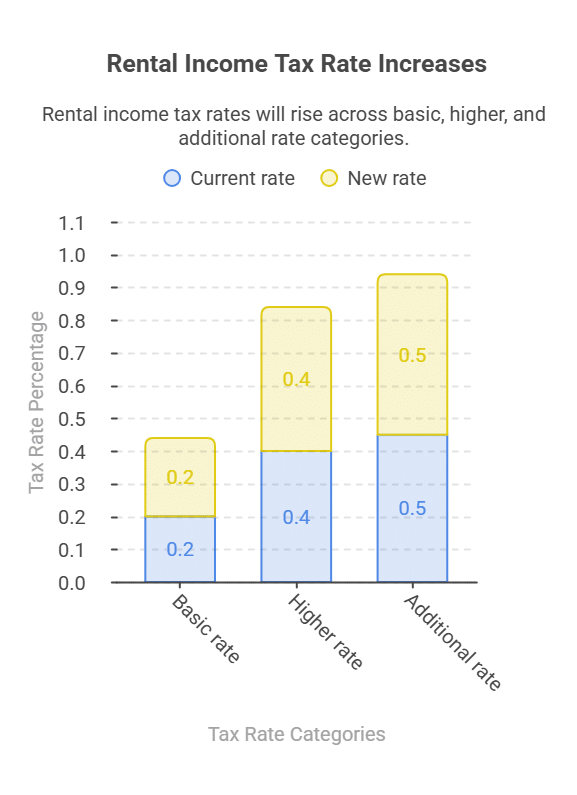
The Government had previously planned to raise the basic rate on rental income from 20% to 22%. Under the latest Budget announcement, the rate will instead rise by another two percentage points, taking it to 24% from April 2027.
The higher rate will rise from 40% to 44%, while the additional rate will increase from 45% to 49%. The changes apply to taxable income from property and savings, while tax rates on employment income remain unchanged.
Government Says Higher Earners Will Pay More
The Treasury says the changes are designed so that people with taxable income from assets make a larger contribution. The Government estimates that 84% of income taxpayers will not be affected by the changes.
It also expects around half of the revenue raised to come from the top 10% of households.
Landlord Groups Warn Of Higher Rents
The announcement has drawn criticism from organisations representing landlords and property professionals.
Ben Beadle, chief executive of the National Residential Landlords Association, said the higher tax could put further pressure on the private rental market.
He pointed to the risk of higher rents and lower supply at a time when demand for rental homes remains high.
Timothy Douglas, head of policy and campaigns at Propertymark, also warned that the tax rise could discourage some landlords from entering or remaining in the private rented sector.
Some Landlords Could Reconsider How They Own Property
The higher tax rates could also lead landlords to review how they hold their rental properties.
Steve Cox, chief commercial officer at Fleet Mortgages, said landlords with larger portfolios may consider whether individual ownership remains suitable or whether a limited company structure could make more sense.
His comments come as many buy-to-let investors already face higher borrowing costs and wider regulatory changes.
Landlords Already Face Several Changes
The tax increase comes alongside other changes affecting the private rental market. Landlords are also dealing with higher operating costs and new requirements under the Renters’ Rights Act.
Paul Shamplina, founder of Landlord Action, said some landlords are already questioning whether remaining in the sector is financially worthwhile.
He warned that continued increases in the cost of renting out property could lead more owners to sell their homes.
What The Tax Rise Means For The Rental Market
The Government expects the new rates to raise additional revenue from property and savings income. Landlord groups argue that the costs could eventually reach tenants through higher rents, while some property owners could leave the rental market.
The full effect will depend on how landlords respond, including whether they raise rents, change how they own properties or sell their rental homes. The new property income tax rates are due to take effect from April 2027.