
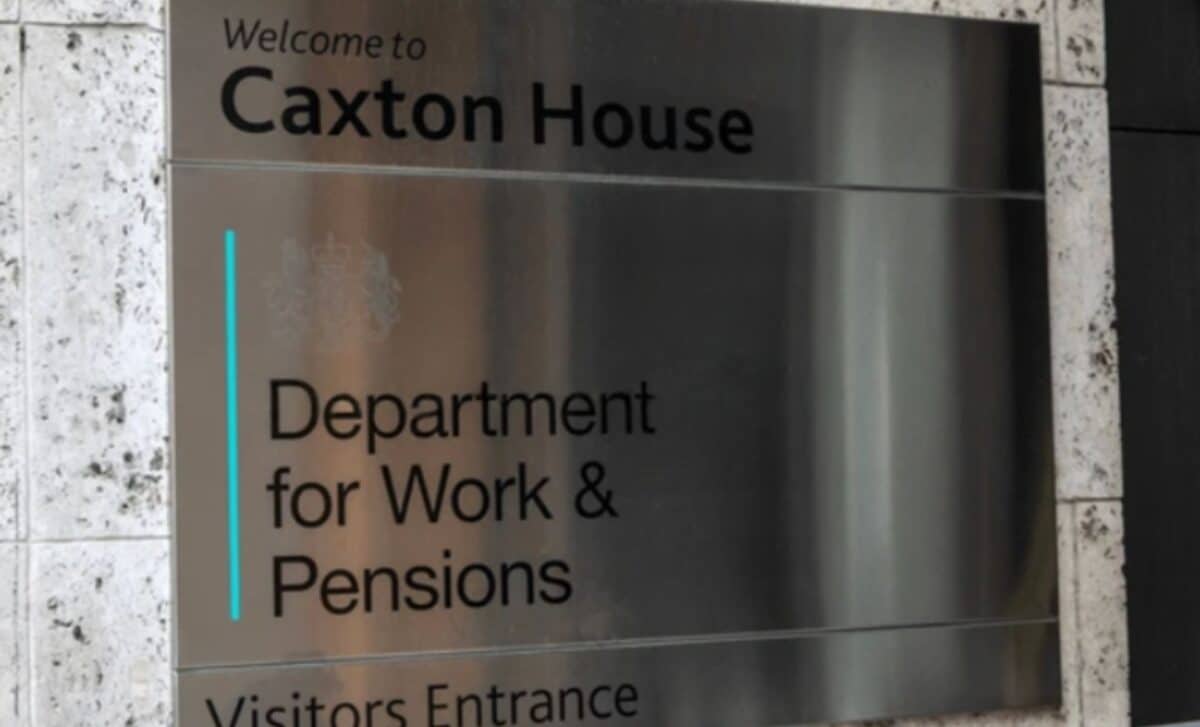
The discussion follows concerns that claimants can spend years without hearing from the department before facing a formal review of their entitlement. Benefits specialists believe shorter, less demanding check-ins could improve communication, provided they do not create additional pressure.
Why Experts Want More Frequent PIP Check-Ins
According to the Mirror, the Resolution Foundation has recommended replacing long periods of limited contact with more frequent, lower-stakes engagement between the DWP and claimants. Its proposals include brief digital updates allowing people to report changes in their health conditions without waiting for a formal reassessment.
Currently, PIP provides financial support towards the additional living costs associated with long-term disabilities or health conditions. Awards depend on how a person’s condition affects their daily living activities and mobility.
Rebecca Lamb, external relations manager at Money Wellness, said more regular communication could benefit claimants if its purpose was clearly understood. She explained that some people receive no contact for years before suddenly being asked to undergo another assessment, potentially affecting payments worth hundreds of pounds each month.
Lamb suggested that an online system resembling the Universal Credit journal could allow claimants to report changes as they occur, particularly when their conditions deteriorate and additional support becomes necessary.
Hannah Martin, founder of Rich Retiree, also supported the principle of regular contact. She noted that people’s circumstances can change after receiving an award, including through worsening symptoms, improvements or the development of additional conditions. Martin cautioned that any new arrangements should reflect individual circumstances rather than repeatedly requiring people to justify their entitlement.
Money Wellness also proposed a consent-based system allowing relevant information to be shared with energy suppliers, water companies and banks, potentially reducing the need for claimants to explain their circumstances separately to each organisation.
What the DWP Says About Existing Reviews and Future Reforms
According to the DWP, regular checks already take place through its existing award review arrangements, while claimants remain responsible for reporting relevant changes in their circumstances.
The department confirmed that it reduced the frequency of repeated PIP reviews from April 2026. For most claimants aged over 25, the first review will take place after a minimum of three years. Those who remain eligible will generally face their next review at least five years later.
The DWP also sends annual uprating letters informing claimants about payment increases each April. These communications include reminders to report changes that could affect entitlement.
Responding to the wider debate, a departmental spokesperson referred to the ongoing Timms Review, saying its interim findings had made clear that PIP was “no longer fit for purpose”. The review, co-chaired by DWP minister Sir Stephen Timms, is examining how the benefit system could better meet the needs of people living with long-term health conditions.
Its final report, containing recommendations for the Government, is expected in November 2026. For now, the department continues to advise claimants to report changes in their needs. Money Wellness also recommends keeping a simple diary recording good and bad days to help explain how a condition affects everyday life when a review takes place.