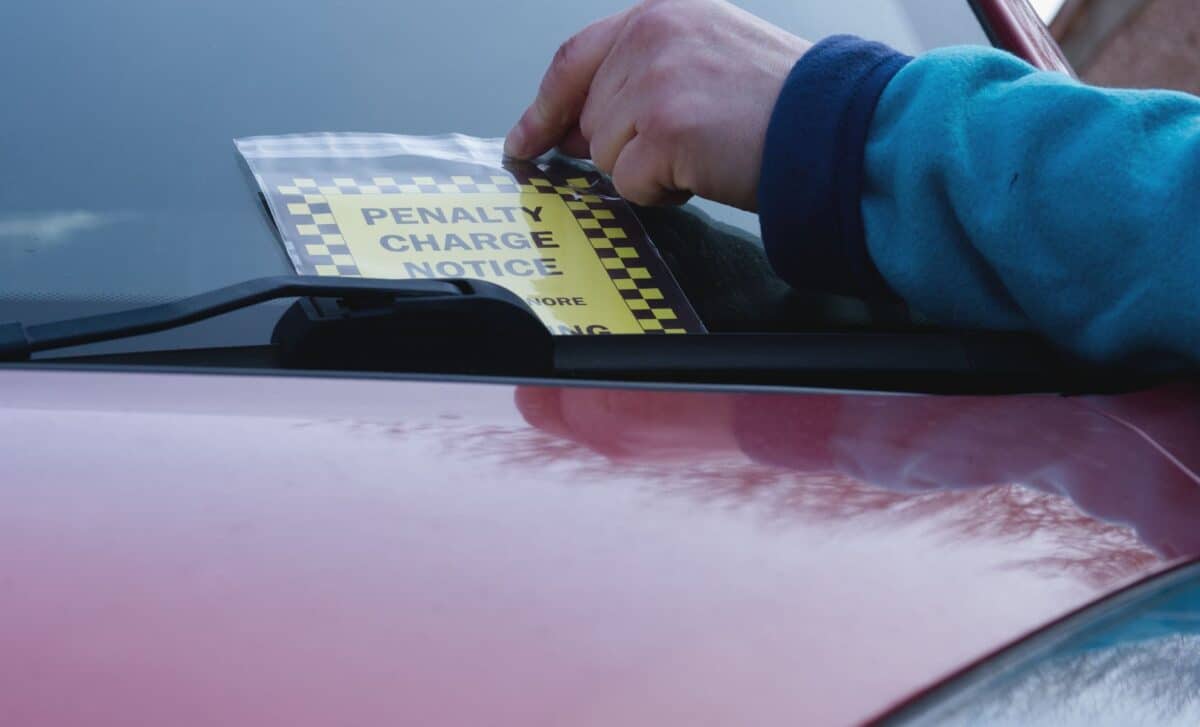
The UK government is moving to curb excessive private parking charges, targeting penalties imposed on drivers who overstay by a few minutes or make simple registration errors. The proposed changes could reshape how parking companies enforce their rules after a record number of tickets were issued across Britain.
Government Targets Unfair Parking Penalties
According to the BBC, Prime Minister Burnham has pledged to tackle what he describes as unfair charges imposed by private parking operators, as the government moves toward a formal regulatory code.
The plans focus on motorists who face substantial financial penalties for minor mistakes, including entering an incorrect digit when registering their vehicle or returning to their car shortly after their parking period expires.
Burnham, the prime minister, said:
“Being a few minutes late back to your car or typing one digit of your numberplate wrong shouldn’t end with a hefty fine landing on your doormat.
“These charges leave people feeling ripped off and out of pocket, so I’m putting a stop to them.”
The government’s approach seeks to strengthen protections for drivers while establishing clearer expectations for companies managing privately owned parking facilities.

Unlike parking restrictions enforced by local councils, private parking charges are issued by commercial operators under contractual arrangements with motorists.
Credit: Canva
Record 17 Million Parking Tickets Raise Pressure for Reform
The scale of private parking enforcement has intensified calls for change.
Analysis of government figures by the RAC found that private parking operators issued a record 17 million tickets during 2025/2026, representing a 17% increase compared with the previous year.
With individual charges reaching £100, figures examined by the Press Association and the RAC Foundation suggest motorists could collectively face more than £4.6 million in charges every day.
The figures highlight the financial impact of an industry whose enforcement practices have drawn sustained criticism from motorists and consumer organizations.
Drivers have also raised concerns about challenging penalties. Some reportedly pay disputed charges rather than risk additional costs or lengthy appeals, even when they believe they have complied with parking rules.
AA Welcomes Stronger Protection for Drivers
Motoring organization the AA has welcomed the prospect of tougher oversight, arguing that motorists need better safeguards against aggressive enforcement.
Jack Cousens, head of roads policy at the AA, said drivers “finally have something which could offer them better protections against the worst private parking operators”.
He said in the past they have “aggressively attacked drivers to the point where many simply pay up”.
The AA has previously warned that drivers sometimes settle charges despite believing they have done nothing wrong, fearing legal proceedings or doubting whether an appeal would receive fair consideration.
These concerns have placed the industry’s appeals procedures and enforcement methods under greater scrutiny.
Parking Firms Could Face Tougher Enforcement Rules
The proposed framework would give the government a stronger role in regulating private parking companies.
Operators that fail to comply with the new requirements could lose access to vehicle keeper information held by the Driver and Vehicle Licensing Agency (DVLA).
Without that data, companies would find it considerably harder to identify registered vehicle owners and pursue unpaid parking charges.
The industry already operates under a voluntary Code of Practice, introduced in 2024 by the British Parking Association and the International Parking Community.
The British Parking Association told the BBC that it welcomed the proposed changes, while noting that many principles in the government’s framework already appear in the existing voluntary code.
The government is now seeking to formalize those standards through Parliament, with compliance tied to operators’ access to DVLA vehicle records.