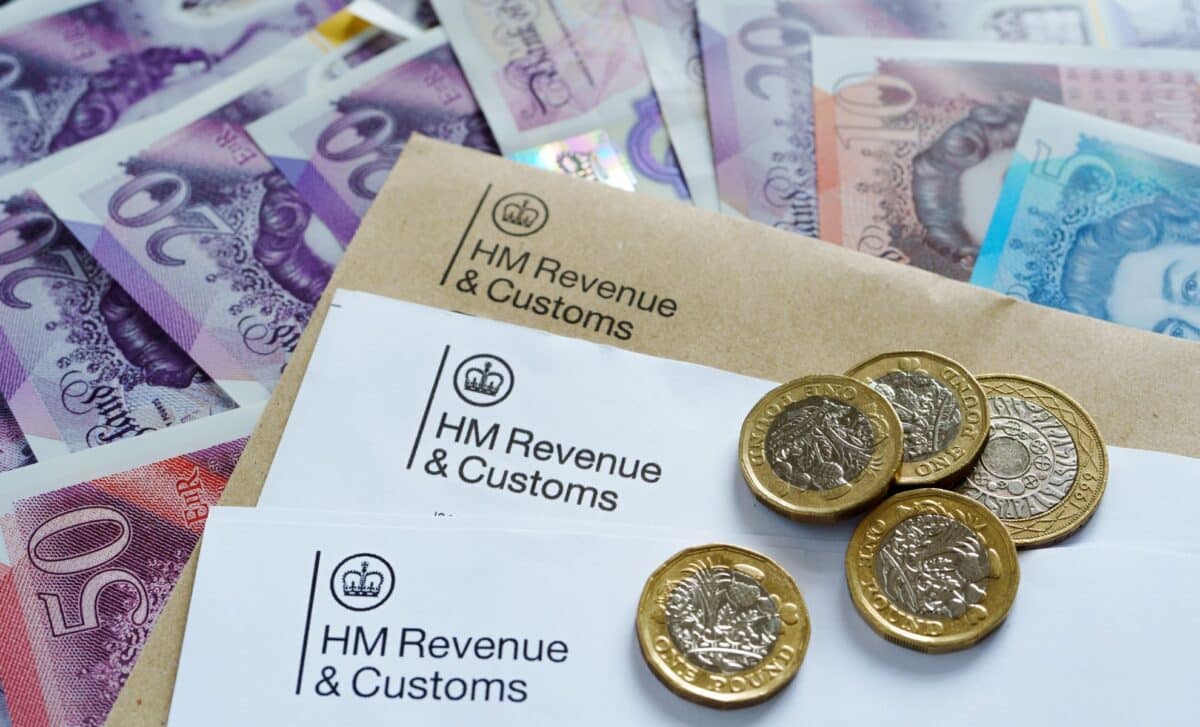
UK taxpayers can legally receive up to £20,070 in combined tax-free income by using a government-backed rental relief alongside their standard Personal Allowance. The benefit applies to people who rent out furnished accommodation in their own homes, potentially saving thousands of pounds in income tax each year.
How the £20,070 Tax-Free Figure Works
According to Express.co.uk, the opportunity comes from combining the standard £12,570 Personal Allowance with the £7,500 Rent a Room Scheme exemption administered by HM Revenue and Customs (HMRC).
The Personal Allowance has remained frozen since 2021, leaving taxpayers increasingly exposed to fiscal drag as rising wages push more income into taxable bands.
The rental relief operates separately from the Personal Allowance. It does not increase the official income tax threshold, but it allows qualifying rental receipts to remain untaxed.
Laura Suter, AJ Bell’s director of personal finance, explains:
“The government gives a tax break for anyone who rents a room out in their home. Lots of homeowners are looking to do this to generate extra money and try to counteract the rising cost of mortgages. You can make up to £7,500 a year tax-free through rent-a-room relief, which will save you up to £1,500 a year as a basic-rate taxpayer or £3,000 a year if you pay income tax at 40%.”
Credit: Canva
Who Qualifies for HMRC’s Rent a Room Scheme?
The scheme covers furnished accommodation within a person’s main home, rather than separate investment properties.
Suter explains:
“You must be renting out a room (or multiple rooms) in your home, rather than a separate flat, and the room must be furnished. But it’s not limited to a room, you can rent out as much of your home as you like. You can also use it if you run a B&B or guest house, so long as it’s in the same property you live in. You don’t even need to own the home to benefit, you could be renting out part of your rental property – however, you’ll need to check that your lease doesn’t prohibit that.”
The exemption can therefore benefit homeowners and eligible tenants. It does not cover rental income from a separate buy-to-let property.
What Happens If You Earn More Than £7,500?
The annual exemption generally covers up to £625 per month in qualifying gross rental receipts. Where income is shared, the individual threshold falls to £3,750.
Suter adds:
“You don’t have to let the room for a minimum period of time. But be aware that if you own the property jointly with someone and split the income you only get half the relief per person. If you earn less than £7,500 a year from renting out a room you won’t need to fill in a tax return, but if you earn more than the tax-free limit you will.”
The government confirms:
“The Rent a Room Scheme lets you earn up to a threshold of £7,500 per year tax-free from letting out furnished accommodation in your home. The threshold is halved to £3,750 if you share the income with someone else.
“You can let out as much of your home as you want. The tax exemption is automatic if you earn less than your threshold. Which means you do not need to do anything.
“You must complete a tax return if you earn more than your threshold.
“You can then opt into the scheme and claim your tax-free allowance. You do this on your tax return.
“You can choose not to opt into the scheme and instead record your income and expenses on the property pages of your tax return.”
How to Claim the Tax Relief
For qualifying receipts within the threshold, the exemption applies automatically, without a separate claim or Self Assessment return solely for that income.
Those earning above the threshold must report the income and can elect to use the scheme through their tax return.
Alternatively, taxpayers can choose normal rental income taxation, deducting allowable expenses where applicable. This may be preferable when expenses are substantial.
The government’s published rules confirm that the £7,500 annual threshold falls to £3,750 when rental income is shared with another person.