

The British pound strengthened against the U.S. dollar and headed for its third consecutive weekly gain against the euro on Friday, October 16, as signs of resilience in the British economy supported the currency. Sterling also reached a three-week high against the dollar, drawing attention to the outlook for UK interest rates and government finances.
Britain’s Economic Resilience Supports the Pound
The currency’s performance reflects a broader question facing investors: whether the UK economy can withstand financial pressures without weakening enough to require a more supportive monetary policy.
According to Reuters, sterling was on course for a third straight weekly advance against the euro while reaching its highest level against the dollar in three weeks. The gains highlighted the importance of domestic economic conditions in shaping expectations for the currency.
Economic resilience matters to foreign exchange markets because it influences how investors assess future interest rates. When growth holds up better than anticipated, policymakers may have more flexibility to keep borrowing costs elevated or respond to persistent inflation.
That prospect can support a currency by making interest-bearing assets denominated in it more attractive to international investors.
Still, currency movements depend on conditions outside Britain as well. Changes in expectations for U.S. and eurozone interest rates can alter the pound’s relative appeal, even when the UK’s domestic outlook remains stable.

The Bank of England Faces a Different Policy Calculation
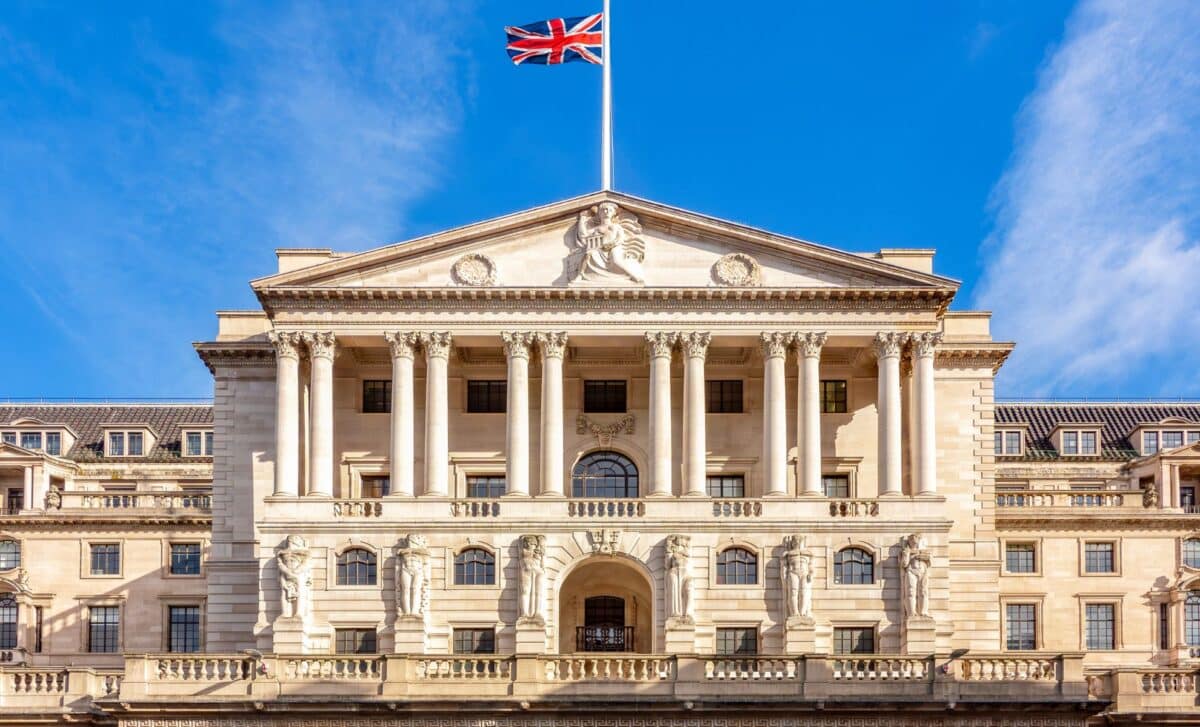
The strength of the British economy also has implications for the Bank of England, which must balance inflation risks against the potential damage caused by higher borrowing costs.
“The economy’s resilience gives the Bank of England room to raise rates without running the risk of putting additional pressure on an already weakening economy,” Thu Lan Nguyen, head of forex and commodity research at Commerzbank, said.
Her assessment points to a distinction in monetary policy: raising rates during a period of economic stability carries different risks than tightening policy when activity is already contracting.
Higher interest rates can support sterling by improving returns on pound-denominated investments. They can also increase financing costs for households and businesses, potentially weighing on consumption and investment.
The central bank’s decisions therefore remain closely tied to incoming economic indicators, particularly those measuring inflation, employment and domestic demand.
For currency traders, the issue is not simply whether borrowing costs change, but how the Bank of England’s likely policy path compares with those of other major central banks.
A Stronger Economy Could Ease Pressure on the UK Budget
Britain’s economic performance also affects the government’s fiscal position, particularly as policymakers seek to contain borrowing and reduce the budget deficit.
“It also takes some pressure off the Chancellor, who remains committed to reducing the budget deficit,” Nguyen added.
A more resilient economy can help public finances by supporting tax revenues and limiting some spending pressures. Weaker growth, by contrast, can complicate deficit-reduction plans by reducing receipts while increasing demand for certain government services.
For the Chancellor, maintaining fiscal discipline while supporting economic activity remains a difficult balance. The relationship between growth, borrowing costs and government revenues is especially relevant when financial markets are sensitive to the outlook for public debt.
Sterling’s gains do not establish that Britain’s fiscal challenges have been resolved. They show that investors are reassessing the currency against a backdrop of economic resilience and changing monetary policy expectations.
As of Friday, October 16, the pound was heading for its third consecutive weekly rise against the euro and had reached a three-week high against the U.S. dollar, Reuters reported.