
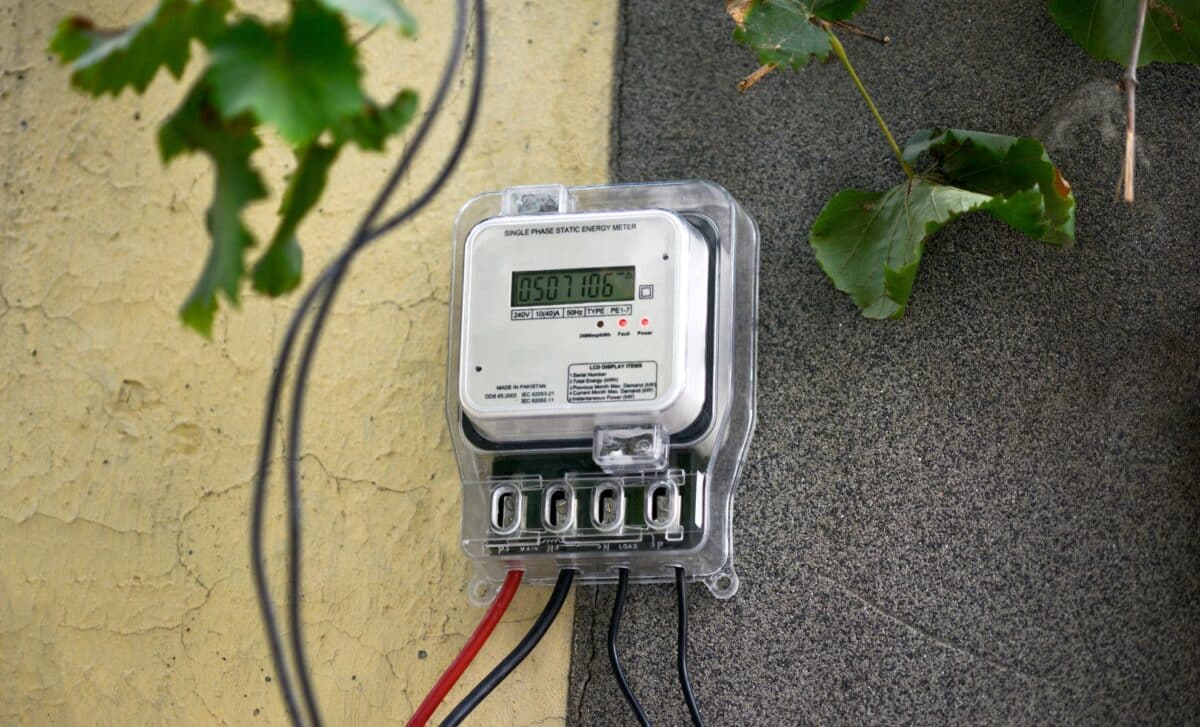
The warning comes as energy customers prepare for another winter of rising costs. Analysts have produced differing estimates for January’s price cap, while consumer finance expert Martin Lewis has raised concerns about a proposed regulatory measure that could affect the savings available to households switching suppliers.
Energy Price Cap Forecasts Point to Substantial January Increase
According to the Birmingham Mail, Cornwall Insight forecasts that typical annual energy bills could increase by £276 from January. If realised, this would represent the largest rise in the energy price cap since January 2023.
A separate assessment by Bloomberg Economics presents a higher estimate. Its economists, Matt Bunny and Dan Hanson, suggest that the annual bill for a typical household could increase by £427, bringing the total to approximately £2,150.
The forecasts concern the next energy price cap, which is due to take effect on 1 January, shortly after Christmas. They follow a 4% increase in energy bills scheduled for 1 October, adding to concerns about household expenditure during the winter months.
The potential increases would affect customers of Britain’s major energy suppliers, including British Gas, EDF, E.ON, Ovo and Octopus. Both forecasts indicate higher annual costs, although the difference between the estimates remains substantial.
The £427 figure represents Bloomberg Economics’ forecast rather than a confirmed increase. Cornwall Insight’s lower estimate likewise remains a projection ahead of the January adjustment.
Martin Lewis Warns Proposed Switching Charge Could Limit Savings
Alongside the price cap forecasts, Martin Lewis has criticised a proposal from energy regulator Ofgem concerning the Market Stabilisation Charge.
According to Lewis, Ofgem has launched a consultation on activating the charge as early as November. The measure would require an energy supplier gaining a new customer to compensate that customer’s previous supplier under certain market conditions.
Lewis argues that this arrangement could make cheaper fixed-rate tariffs and switching deals more expensive if wholesale energy prices fall sharply. “It doesn’t sound a big deal, but it could be, it ain’t good for consumers and I don’t want it to slip under the radar,” he warned.
The consumer finance expert described the arrangement as effectively a switching penalty, questioning whether additional protections for suppliers were justified given the current state of the energy market.
He also challenged the prospect of protecting companies from falling wholesale prices, noting that several energy firms had recorded substantial profits in recent years.
Lewis said he had hoped an easing of tensions in the Middle East might eventually bring wholesale energy prices down. Although such reductions would take months to affect the regulated price cap, cheaper tariffs could become available sooner.
His concern is that the proposed charge could reduce the savings customers might otherwise secure by changing suppliers. The consultation therefore comes at a sensitive time for households facing higher January bills, with both future energy costs and the potential benefits of switching suppliers under scrutiny.