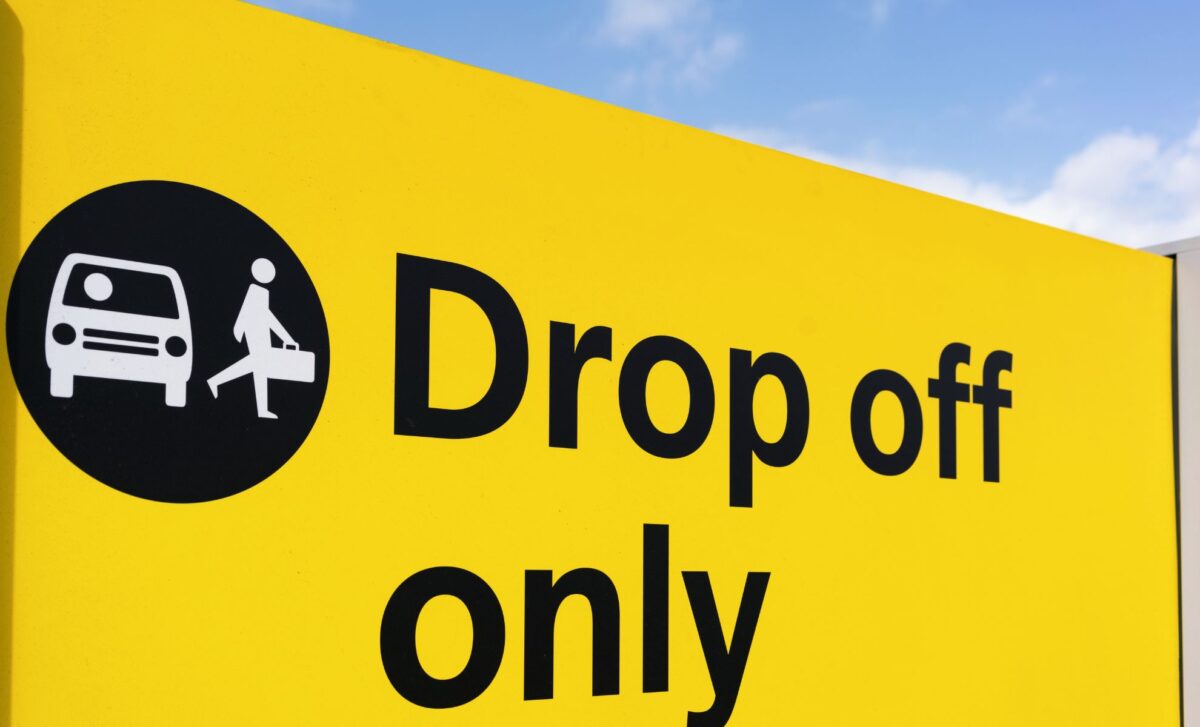
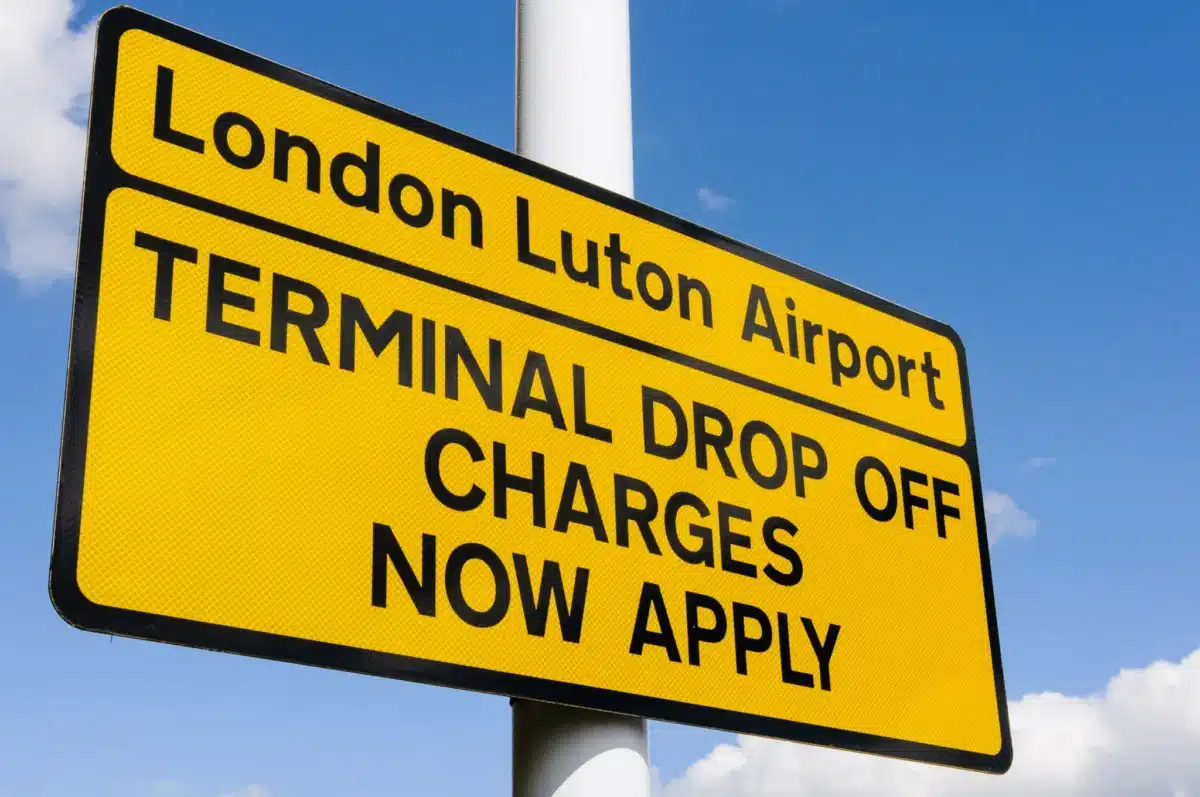
Drivers across Britain face airport drop-off charges of up to £10 for a brief stop, prompting a government investigation into rising prices and the estimated £300 million airports collect annually from these fees.
Airport Drop-Off Prices Climb Across Britain
The government has launched a 12-month review of airport drop-off charges, examining affordability, passenger behavior and whether the fees genuinely encourage public transportation use.
According to The Telegraph, aviation minister Keir Mather will also investigate how British airports spend the estimated £300 million generated annually through so-called kiss-and-fly charges.
The review follows another round of price increases. Fees at 16 of Britain’s 20 busiest airports have risen since last summer, with the average charge increasing by £1.70 to £7.
At Gatwick and Stansted, drivers now pay £10 for a 10-minute stop, up from £7. Edinburgh Airport has raised its equivalent charge by £2.50 to £8.50.
London City Airport charges £8 for just five minutes, the highest per-minute rate identified in research by the RAC, the British motoring organization.
Labour Faces Accusations of Reversing Its Position
The announcement has triggered a political dispute after Labour opposed a similar proposal earlier this year.
In July, the government instructed its members in the House of Lords to vote against an amendment requiring a formal review of airport drop-off fees.
Richard Holden, the Conservative shadow transport secretary, accused ministers of changing course under pressure.
“This is yet another shameless U-turn by Labour,” he told The Times, adding: “After whipping parliamentarians to oppose a review of airport drop-off charges in July and just days after Conservatives announced a review of them at our conference, Labour has capitulated.”
At their Birmingham conference, Conservatives had proposed a six-month investigation into the influence of environmental policies, transportation targets and commercial incentives on airport pricing.
Drivers Question Why Airports Charge So Much
The RAC, which has campaigned against rising fees, welcomed the government’s decision.
“This will be music to the ears of drivers, as we know airport drop-off charges are a growing source of anger and frustration,” said Rod Dennis, senior policy officer at the RAC, adding that he was “pleased they will now be scrutinised”.
Its surveys suggest widespread dissatisfaction with airport pricing.
“Four-in-five drivers we’ve surveyed believe they are a rip-off, with just one in 10 understanding why airports charge what they do,” he said.
Dennis also questioned the difference between British and European airport policies.
“Such ‘farewell fees’ are at direct odds with most other major overseas airports, where drivers can drop passengers off close to terminals free of charge,” Mr Dennis added.
According to the RAC, none of the European Union’s 10 busiest airports charge drivers for dropping off passengers, unlike Britain’s top 20 airports.
Business Travelers Demand Limits on Charges
Clive Wratten, chief executive of the Business Travel Association (BTA), welcomed the announcement after campaigning for the fees to be investigated.
He said: “The review must take a serious look at affordability, accessibility and fairness, and lead to meaningful change rather than simply give airports the opportunity to justify the charges they already impose.”
The association wants a £3 maximum fee, charges restricted to peak periods, a 50% discount for electric vehicles and no more than one charge per vehicle each day.
It argues that public transportation is not always a practical alternative, particularly for travelers with limited connections.
The Department for Transport has confirmed the review and urged airports to exercise restraint on further price increases, particularly where passengers have few public transportation alternatives.