
Older households receiving Pension Credit can qualify for a free BBC TV licence once a resident reaches 75, even as BBC leaders push for sweeping changes to the broadcaster’s funding system.
Who Qualifies for a Free BBC TV Licence?
According to Birmingham Live, the existing exemption remains available to qualifying pensioners receiving Pension Credit, a means-tested benefit administered by the Department for Work and Pensions (DWP).
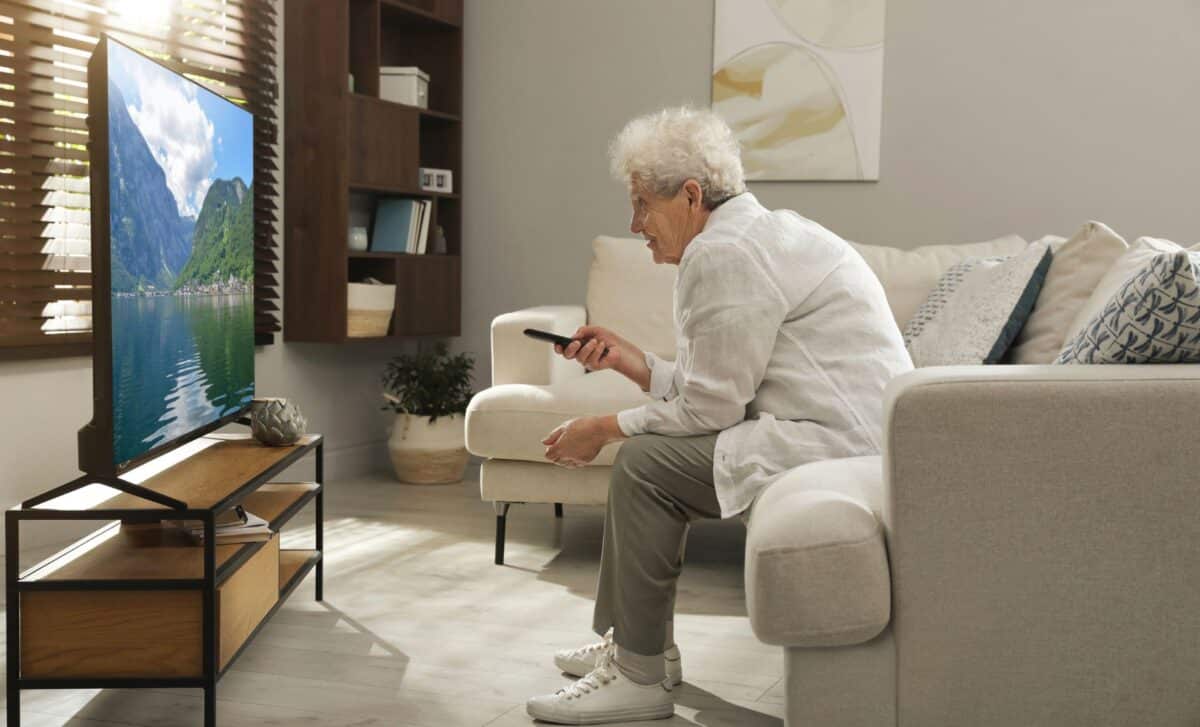
To receive a free licence, the licence holder must be at least 75 years old, or live with someone aged 75 or older who receives Pension Credit. Simply reaching State Pension age does not qualify someone for the exemption.
Pension Credit supports people on low incomes who have reached State Pension age. It consists of two elements: Guarantee Credit, which tops up weekly income, and Savings Credit, which provides additional support to certain older pensioners with qualifying savings or income.
Eligible households must apply for the free TV licence through TV Licensing rather than assume the exemption will be applied automatically.
BBC Director General Says Current Funding Model Is Broken
The eligibility rules come amid renewed scrutiny of how the BBC collects money from viewers.
New BBC director general Matt Brittin, a former Google executive, questioned the future of the traditional licence fee during his first major public appearance before MPs since taking the position.
Brittin said: “We can and should be doing as much as possible on [enforcing] licence fee collection under the current model, but it’s yesterday’s model, it’s a busted flush, it’s no longer fit for purpose, and that’s why we need to make the case for the BBC and a shift of the licence fee model.”
His comments signal dissatisfaction with a system that requires households to hold a licence when watching live television or using BBC iPlayer.
The debate centers on whether the current funding structure can continue supporting public broadcasting as viewing habits change.
BBC Leaders Consider a Compulsory Household Levy
Brittin did not identify a definitive replacement for the licence fee. He and BBC chair Samir Shah nevertheless raised the possibility of a compulsory household levy, an option the government had previously rejected.
“The challenge is it’s been ruled out, and I can understand the concerns about cost of living and so on, on households, but I think it’s got merits and others have found it to have merits,” Brittin said.
Shah said a levy “would solve a lot of problems for us, and we’re certainly open to it”, but admitted it “could be seen as, and is effectively another tax”.
Such a system would change how households contribute to the BBC, potentially moving away from the existing television-based licensing requirement.
Neither executive announced a replacement funding arrangement.
Why the BBC Is Wary of a Subscription Model
A subscription-based service, similar to Netflix, presents another possibility, but BBC leadership has warned that it could fundamentally change the broadcaster’s programming.
Shah said “our drama would become increasingly narrowly focused on things that drive subscription” under a Netflix-style system.
“We would stop being universal, we’d actually stop being the BBC that we know,” he added.
The remarks underline the BBC leadership’s preference for a funding arrangement that preserves broad public access rather than relying entirely on paying subscribers.
For now, the existing exemption remains in place: households with someone aged 75 or older receiving Pension Credit can apply for a free TV licence, subject to TV Licensing’s eligibility rules.